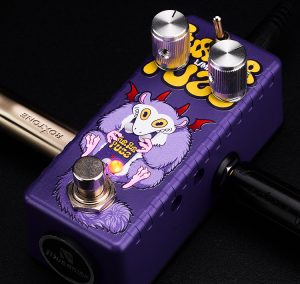
A fuzz pedal changes the guitar’s signal to create a thick, gritty sound. Musicians hear this effect most often in rock, metal, and blues music. The pedal adds a bold texture that stands out in a mix. Among Musontek pedals, the Musontek FUR FUR delivers a clear, powerful fuzz effect with easy controls, making it a great choice for players who want to explore new tones.
要点
-
A fuzz guitar pedal makes your guitar sound rough and thick. This helps rock, metal, and blues music sound better. You can turn the fuzz and volume knobs to change how your guitar sounds. Try different settings to find new tones and textures. Put the fuzz pedal first in your signal chain for clear sound. This gives you the best quality. You can also use your guitar’s tone knob to find new sounds and harmonics. The MusonTek F2309 FUR FUR Fuzz Pedal is easy to use. It works well for beginners and for people who have played for a long time.
Fuzz guitar pedal sound

Signature fuzz tone
A fuzz guitar pedal makes a thick and buzzy sound. This happens because the pedal clips the guitar signal a lot. The signal gets pushed so much that it becomes very squashed. This creates a strong texture that is easy to hear in any song. Fuzz pedals have transistors inside. These parts give the pedal a special sound. Players can change their tone by turning the guitar’s volume knob.
Musicians say fuzz pedals add lots of harmonics. The pedal reacts to how hard you pick the strings. This makes the sound lively and full of energy. Fuzz pedals help notes last longer. Songs get more sustain. Players use fuzz pedals for many sounds. You can get smooth old tones or harsh modern distortion.
Fuzz vs. other effects
A fuzz pedal is different from overdrive and distortion. Overdrive pedals make the guitar sound warm and smooth. They clip the signal just a little. Distortion pedals make the sound rougher and sharper. They clip the signal more. Fuzz pedals clip the signal the most. The sound becomes thick and buzzy.
Here is a simple table that shows the differences:
|
エフェクト・タイプ |
Sound Character |
Clipping Level |
Common Use Cases |
|---|---|---|---|
|
オーバードライブ |
Warm, smooth |
Mild |
Blues, classic rock |
|
ディストーション |
Crunchy, aggressive |
中程度 |
Hard rock, metal |
|
ファズ |
Thick, buzzy |
Extreme |
Psychedelic, garage rock |
Fuzz pedals work with guitar controls in special ways. Players can turn down the volume knob to make the sound cleaner. Turning up the knob gives more fuzz. This makes fuzz pedals good for changing tone and texture.
Tip: Try a fuzz pedal with different guitars and amps. Each setup can make new sounds and give you new ideas.

How fuzz pedals work
Signal clipping explained
A fuzz guitar pedal changes the guitar’s sound by cutting the signal. This happens inside the pedal’s circuit. When you play the guitar, the signal goes into the pedal. The pedal uses diodes to control how strong the signal is. Diodes only let the signal go up to a certain voltage. If the signal gets too strong, the pedal flattens the top and bottom of the sound wave. This is called clipping.
-
Diodes in the circuit make clipping happen. They have a voltage limit that stops the signal.
-
If the guitar signal goes past this limit, it gets flattened. This makes the waveform clipped.
-
Clipping adds extra harmonics to the signal. This makes the fuzz pedal sound richer.
-
Clipping happens when the signal is stronger than the system can handle.
-
The audio waveform gets cut off at the top and bottom. This causes distortion.
-
Clipping changes the shape of the waveform. It makes the sound more angular and adds harmonics.
-
Clipping removes the highest and lowest parts of the original waveform.
-
The new waveform looks flat. This helps make the fuzz pedal’s special sound.
-
There are different ways to clip the signal. Soft clipping and hard clipping change the tone and harmonics.
This process gives the fuzz pedal its thick, buzzy sound. The extra harmonics help the guitar stand out in a song.
Circuit basics
Fuzz pedals use simple but smart circuits. Famous pedals use transistors to change the sound. The kind of transistor is important. Germanium transistors make the fuzz warmer and softer. Silicon transistors make the fuzz brighter and sharper. Some has two amplifiers with germanium or silicon transistors. Germanium sounds smooth but can change if it gets hot or cold. Silicon stays the same and sounds stronger.
Some uses four transistor stages. Each stage clips the signal more. This makes the sound fuller and more detailed. The circuit and parts let players choose the fuzz style they want. These choices help each fuzz pedal sound different from others.
Using a fuzz guitar pedal
Controls and settings
Most fuzz pedals have several knobs to change the sound. Players turn these knobs to find a tone they like. The table below shows common controls and what they do:
|
Control |
効果 |
|---|---|
|
ディストーション |
Makes the sound thicker and more squashed. |
|
フィルター |
Higher settings make the sound brighter. Lower settings make it darker. |
|
レベル |
Changes how loud the fuzz sound is. |
|
ハイパスフィルター |
Removes low sounds for a brighter tone. |
|
ミックス |
Blends clean and fuzz sounds. More mix means more fuzz. |
Players use the volume knob to match the pedal with other gear. The gain or sustain knob makes the sound last longer and adds more fuzz. The tone knob changes the sound from bright to dark. Beginners should set all knobs in the middle first. Then, move each knob to hear how the sound changes.
The MusonTek F2309 FUR FUR Fuzz Pedal is easy to use. It has three settings for different fuzz sounds. Players can pick vintage or modern fuzz tones. The pedal mixes fuzz and crush effects for a bold sound. Musicians can choose how much fuzz and sustain they want. The FUR FUR pedal works for many music styles.
Tip: Many people do not know that turning down the guitar’s volume knob makes the fuzz sound cleaner. This lowers fuzz and noise for a smoother sound.
Signal chain placement
Where you put a fuzz pedal in your setup changes the sound. Most guitarists put the fuzz pedal first, right after the guitar. This lets the pedal work best with the guitar’s pickups. If other pedals come before fuzz, the sound can change and lose its special feel.
-
Fuzz pedals should go first because they have low impedance.
-
Putting fuzz before effects like delay or reverb usually sounds best.
-
Wah pedals can go with fuzz, but the order matters. Wah before fuzz can cause strange sounds.
The MusonTek F2309 FUR FUR Fuzz Pedal stays clear when placed first. It works with different power supplies like 9V, 12V, and 18V. Using 18V can make the sound even clearer, even with lots of fuzz.
Tone-shaping tips
Players can change their sound with a fuzz pedal by trying different settings. Here are some good ways to do this:
-
Put a fuzz pedal before an overdrive pedal to smooth out harsh sounds. This makes the tone softer.
-
Change the gain and tone on the overdrive to shape the fuzz sound. Adding mids helps the guitar stand out.
-
Put an overdrive before fuzz for a heavier sound with more fuzz and longer notes.
-
Place the fuzz pedal first for the best effect.
-
Try different pedal orders to find what you like best.
The MusonTek F2309 FUR FUR Fuzz Pedal gives many sound choices. Players can pick from three settings for lots of tones. The pedal is strong and reliable. Its design mixes old and new fuzz sounds. Musicians can use it for soft boosts or strong fuzz. It works for many kinds of music.
Note: Beginners often want to know how to stop noise with a fuzz pedal. Using a noise gate, lowering the gain, and playing cleanly can help reduce unwanted sounds.
Popular fuzz pedals
Iconic models
Many guitar players know some fuzz pedals are classics. These pedals changed the sound of rock and other music. Pedals made the fuzz guitar pedal sound popular. Musicians used them to make new sounds and textures in songs.
MusonTek FUR FUR Fuzz Pedal
New fuzz pedals have more features and options. The MusonTek FUR FUR Fuzz Pedal is known for being strong and flexible. The table below shows its main features:
|
特徴 |
説明 |
|---|---|
|
Unique Fuzz Sound |
Special fuzz sound that is different from old fuzz pedals. |
|
Extensive Gain Adjustment |
Many gain settings for lots of sound choices. |
|
Multiple EQ Options |
Three EQ settings for different music styles. |
|
Circuit Type |
Discrete circuit gives better sound and is more reliable. |
|
Voltage Input Range |
Works with 9-18V for different sounds. |
|
Clean Up Capabilities |
Body control helps clean up the sound. |
|
BIAS Adjustment |
BIAS control means you do not need another distortion pedal. |
Players can use the FUR FUR pedal for many kinds of music. It stays clear even when the distortion is high. You can change the gain, EQ, and BIAS to get your sound. The pedal is tough, so it works well on stage or in the studio.
Fuzz pedals come in many price ranges. Musicians pick fuzz pedals based on the music they play and what they like. Changing settings like distortion and filter helps match the pedal to different songs.
Tip: Try out different pedals and settings to find the fuzz sound you like best.
A fuzz guitar pedal changes the way a guitar sounds by adding thick, gritty tones and extra harmonics. Music experts say fuzz pedals shaped modern guitar music and work well in many genres. Players can try these tips for better results:
-
Place the pedal first in the signal chain.
-
Adjust the fuzz and volume knobs for different textures.
-
Use the guitar’s tone knob for new sounds.
The MusonTek FUR FUR Fuzz Pedal gives clear fuzz and easy controls. It suits beginners and experienced musicians who want to explore new styles.
よくあるご質問
What makes a fuzz pedal different from a distortion pedal?
A fuzz pedal gives a thicker and more full sound. Distortion pedals sound sharper and more controlled. Fuzz pedals often make a buzzy, old-school tone that stands out.
Can beginners use the MusonTek FUR FUR Fuzz Pedal easily?
Yes. The MusonTek FUR FUR Fuzz Pedal is easy to use. Players can change settings fast and try new sounds. The pedal works for both new and skilled musicians.
Where should a fuzz pedal go in the signal chain?
Most guitarists put a fuzz pedal first, right after the guitar. This spot helps the pedal work best with the guitar’s pickups. It also keeps the fuzz sound clear.
Does the MusonTek FUR FUR Fuzz Pedal work for all music styles?
The MusonTek FUR FUR Fuzz Pedal has many tones. Players can use it for rock, blues, metal, or new music styles. Its three settings let you play many kinds of music.