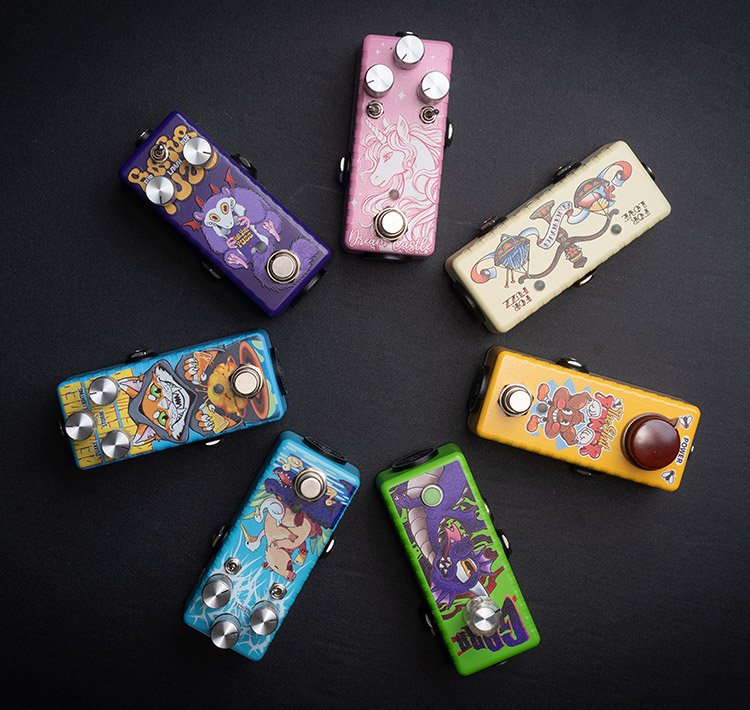
Fuzz Pedal

In the realm of guitar effects, few pedals have captured the imagination of musicians quite like the fuzz pedal. With its ability to transform sound into a rich, textured tapestry of distortion, the fuzz pedal has become an indispensable tool for artists seeking to push the boundaries of their music.

Unlike overdrive or distortion pedals, which aim to replicate the sound of a driven tube amp, fuzz pedals take the signal to an entirely new level of distortion. This is achieved through a process known as square-wave clipping, which compresses the distortion to create a sound that is both saturated and textured. Fuzz pedals are not just about adding distortion; they are about crafting a distinct sonic identity that can range from a subtle growl to a full-on, wall-of-sound effect.

MusonTek, a brand renowned for its innovative approach to audio technology, offers a range of fuzz pedals designed to elevate your sound to new heights. Here, we delve into the world of MusonTek fuzz pedals, exploring their unique features, versatility, and the sonic landscapes they can create.

MusonTek F2309 FUR FUR Unique ファズ Guitar Pedal

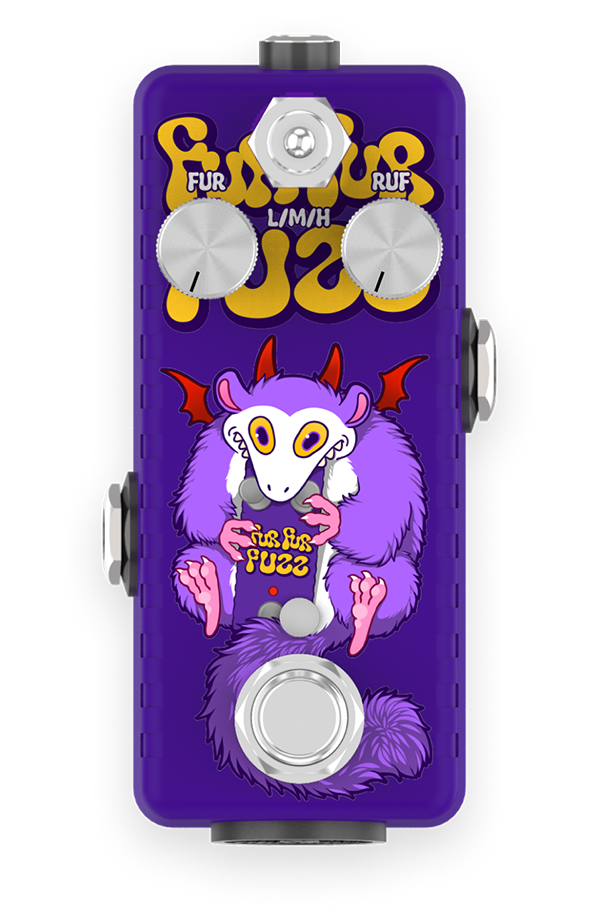
The MusonTek F2309 FUR FUR is designed to deliver an insane, thick sound that is perfect for musicians looking to add a bold, fuzzed-out dimension to their music. This pedal is known for its unique blend of fuzz and crush effects, making it versatile for a wide range of musical styles.
It offers a robust build quality and a user-friendly interface, allowing musicians to easily dial in their desired level of fuzz and sustain. The pedal is praised for its ability to maintain clarity even at high levels of distortion.

Features of the FUR FUR Fuzz Pedal

Versatile Sound Options:

The Fur Fur Fuzz provides three meticulously chosen frequency settings, enabling users to achieve the fuzz sound they envision. The FUR FUR Fuzz offers a wide range of tonal possibilities, from smooth, vintage-inspired fuzz to aggressive, modern distortion.

Unique Fuzz Characteristics:

These pedals are designed to stand out from traditional fuzz effects like the Big Muff or Tone Bender. They offer a distinct, thick, and insane sound that is not easily replicated by other pedals.

Boutique Quality:

MusonTek pedals are crafted with attention to detail, ensuring high-quality components and construction. This boutique approach results in pedals that are both durable and reliable.

Adaptability:

The pedals are versatile enough to be used in various musical genres and settings, from live performances to studio recordings. They can produce a variety of tones, from subtle boosts to extreme fuzz, making them adaptable to different musical styles.

Innovative Design:

MusonTek pedals often incorporate innovative circuit designs that blend vintage tones with modern versatility. This allows musicians to explore new sonic landscapes while maintaining a connection to classic sounds.

FUR FUR Fuzz Box Pedal Review

You can get more insights by watching the demo video or MusonTek’s user feedback.

ムソンテックディーラーになる

Musontekは世界的なプレゼンスを拡大しており、世界中でパートナーやディーラーを積極的に募集しています。Musontekのディーラーになることで、あらゆるレベルのプレイヤーを魅了する革新的で高品質なギター・エフェクト・ペダルのラインアップを入手することができます。Musontekは、マーケティング資料、競争力のある価格設定、信頼できるサプライチェーンでディーラーをサポートします。Musontekファミリーに加わり、世界中のミュージシャンに卓越したサウンド・クオリティと価値をお届けしましょう。

MusonTek Adjudicator for Fuzz

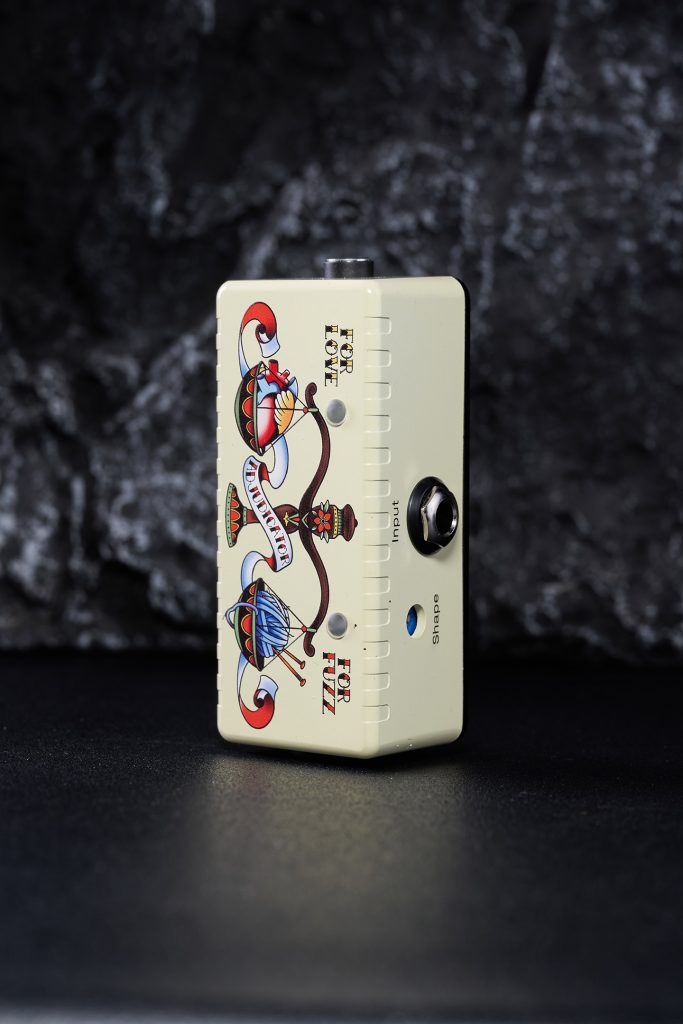
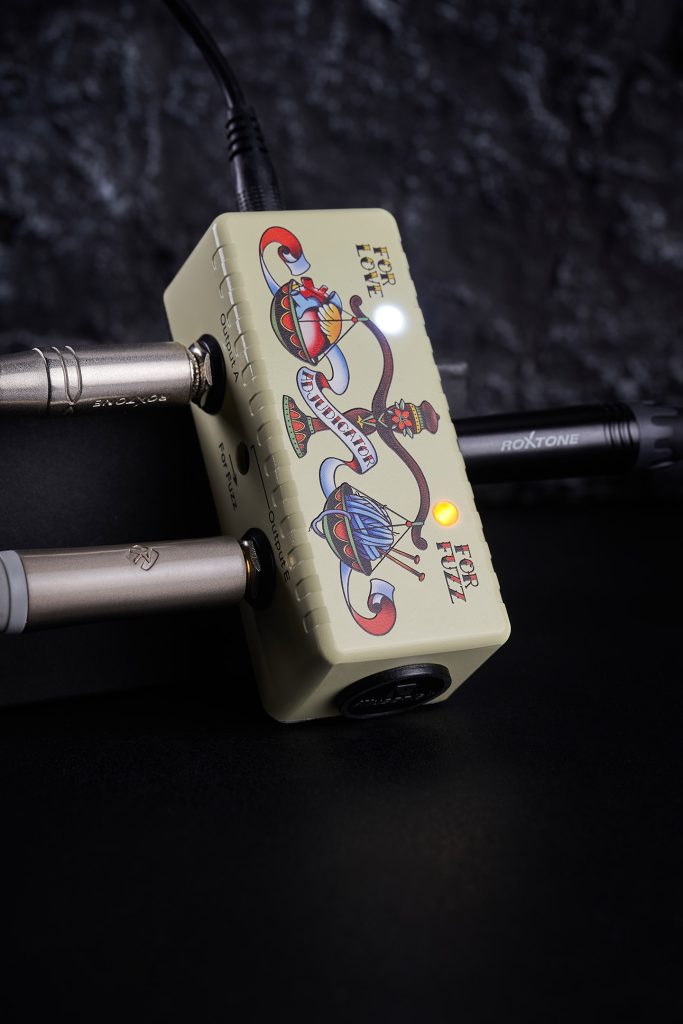
The MusonTek Adjudicator is not specifically a fuzz effect pedal but rather a versatile one-to-two channel Class A buffer that also accommodates fuzz effects. This makes it not only a great fuzz pedal but also an excellent tool for maintaining signal integrity in your effects chain.
It offers a one-to-two channel design, providing flexibility for different playing situations. The Adjudicator is ideal for musicians who need a reliable buffer to enhance their overall tone while also having access to a rich fuzz sound.

Adjudicator "For Fuzz" Mode Features

Tonal Flavors For Fuzz Mode:

The "For Fuzz" mode offers two distinct tonal flavors, allowing you to tailor your fuzz sound to suit your style.

Simulated Cable Lengths:

This mode simulates the effect of using standard instrument cables of varying lengths (3m, 6m, and 12m), giving you the flexibility to adjust your tone based on cable length without physically changing cables.

Signal Level Adjustment:

Allows adjustment of the input signal level in “For Fuzz” mode to optimize the interaction between your fuzz pedals and the rest of your effects chain.

Why Join MusonTek as a Dealer as a Dealer

Quality Management

MusonTek has established a robust ISO 9001:2015 quality management system, ensuring that all processes are well-defined and documented to meet customer and regulatory requirements. This system helps in maintaining high-quality products consistently.

Advanced Technology Integration

The company utilizes an advanced ERP information system, MES manufacturing execution system, and WMS smart logistics system. These technologies enhance operational efficiency and streamline production processes, contributing to stable and high-quality products.

Digital Transformation

MusonTek has successfully launched a digital workshop, reflecting its proactive approach to technological advancements and modernization in manufacturing processes. This digital transformation enhances efficiency and supports the company's mission to deliver superior products.

Environmental Responsibility

The company adheres to the ISO 14001:2015 environmental management system, demonstrating a strong commitment to environmental sustainability. Additionally, MusonTek ensures that its products comply with EU ROHS standards, further emphasizing its dedication to environmental protection.

Health and Safety

MusonTek operates under the ISO 45001:2018 health and safety management system, prioritizing the well-being of its employees and maintaining a safe working environment.

Innovation and Intellectual Property

MusonTek places significant emphasis on innovation and intellectual property protection. It has registered trademarks in four countries and holds 3 national invention patents along with over 70 appearance and utility model patents. This strong focus on IP underscores the company's commitment to innovation and protecting its unique offerings.

グローバル・ディストリビューターになる ムソンテック

FAQ:Exploring Fuzz Effects

Where does a fuzz pedal go on a pedalboard?

When placing a fuzz pedal on a pedalboard, it is generally recommended to position it at the very beginning of the signal chain, or at least very early in it. This is because many classic fuzz pedals are designed to work best with the high impedance signal directly from passive guitar pickups. Placing them after buffered pedals can alter their tone and functionality, as they react poorly to buffered signals.

However, some modern fuzz pedals are designed to be more versatile and can be placed later in the chain without significant issues. Additionally, some players prefer to stack fuzz pedals with other dirt boxes like overdrives or distortions to achieve a richer tone. In such cases, the fuzz might be placed after an overdrive to maintain its fuzziness while adding more gain.

Here’s a general guideline for placing a fuzz pedal in your signal chain:

Additional Octave Effect: The most distinctive feature of octave fuzz is its ability to add an octave above or below the original note being played. This creates a unique, often chaotic sound that is particularly suited to experimental and psychedelic music. Traditional fuzz pedals, on the other hand, focus solely on distorting the original signal without adding any additional octaves.

Sound Characteristics: Octave fuzz tends to produce a dissonant, quieter octave that is not always audible, especially when playing lower notes on the neck. This dissonance can add a layer of complexity and interest to the sound. Traditional fuzz pedals typically provide a more straightforward, aggressive distortion without the octave effect.

Circuitry and Technique: Octave fuzz often uses techniques like full-wave rectification to emphasize the octave overtone, creating a distinctive, glitchy effect. This requires specific playing techniques to achieve the best results. Traditional fuzz pedals rely on simpler circuitry focused on amplifying and clipping the signal.

Versatility and Use Cases: While traditional fuzz can be used in a wide range of musical genres, octave fuzz is particularly favored in genres that benefit from its unique, experimental sound, such as psychedelic rock and experimental music.

Choosing a fuzz pedal can be overwhelming due to the variety of options available. Here’s a guide to help you select the perfect fuzz pedal based on different music styles:

For Classic Rock and Vintage Tones

Dunlop JDF2 Fuzz Face: Known for its iconic mid-to-late 60s sound, this pedal is perfect for those seeking a classic, mellow fuzz tone reminiscent of Jimi Hendrix and David Gilmour. AnalogMan SunFace: Offers a versatile, vintage sound with various germanium transistor options, ideal for capturing the essence of late 60s music.

For Modern and Experimental Sounds

MusonTek FUR FUR Fuzz Pedal: This pedal provides a modern take on fuzz with a wide range of tonal possibilities, making it suitable for experimental and contemporary music styles. ZVEX Fuzz Factory: Known for its versatility and creative control, this pedal is great for artists looking to push the boundaries of sound.

Placement Tips

Place your fuzz pedal first in your signal chain to maximize its expressive potential and avoid interference from buffered pedals.

Radio Interference

Fuzz pedals can sometimes pick up radio signals, especially when they are on. This is often due to poor shielding or grounding in the pedal or the guitar. Ensure that all components are properly shielded and grounded. Using a noise-reducing cable or a shielded enclosure can help mitigate this issue.

Oscillation with Wah Pedals

When used with wah pedals, fuzz pedals can create unwanted oscillations or screeching sounds. Place a buffer pedal between the wah and fuzz pedals. Even an old pedal turned off can act as a buffer, improving impedance matching and reducing oscillation. Alternatively, use a fuzz pedal specifically designed to work well with wah pedals.

Incorrect Tone

The fuzz tone might sound too bright, harsh, or less "beefy" than expected. Adjust the pedal's placement in your signal chain. Placing it closer to the guitar can help maintain a clearer signal. Also, ensure that the fuzz pedal is not overdriven by signals from previous pedals in the chain.

Motorboating or Monotone Noise

A low-frequency humming or monotone noise, often referred to as "motorboating," can occur when the gain is turned up too high. Check the grounding of your pedal and ensure that it is properly connected. Using a negative ground can sometimes cause this issue, so consider adjusting the circuit if possible.

Crackling Sounds

Crackling sounds can occur if a pedal before the fuzz is buffering or boosting the signal. Move the fuzz pedal closer to the guitar in your effects chain to minimize interference from other pedals.