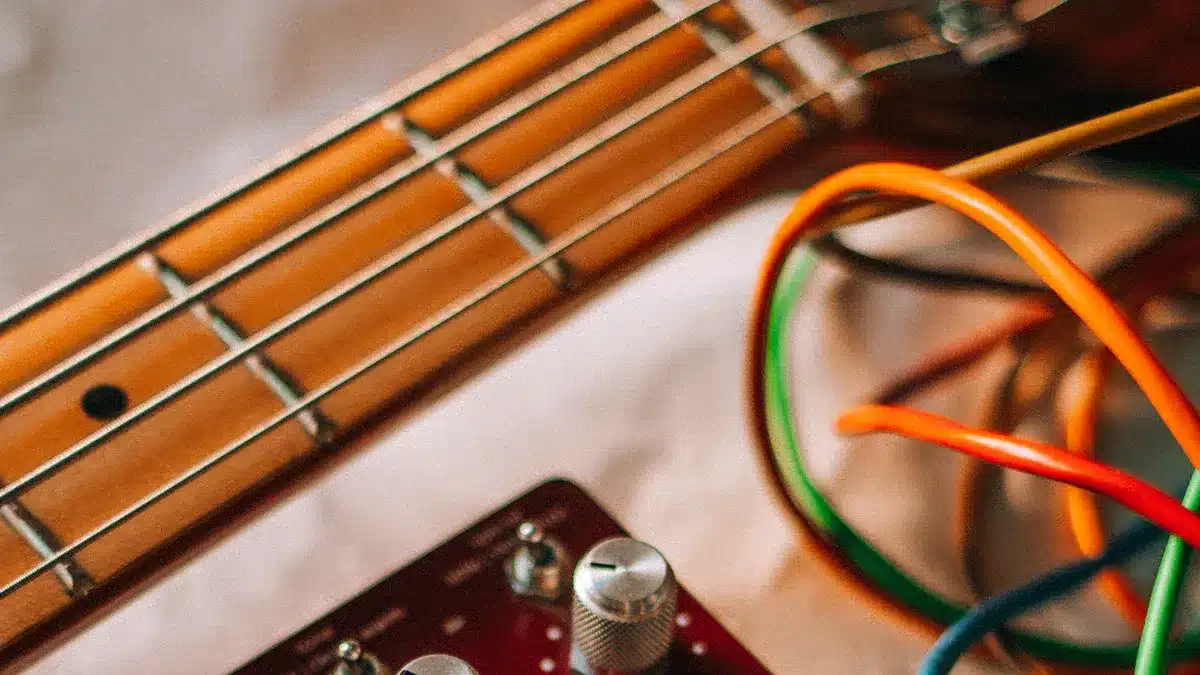
Yes, a fuzz pedal works on bass. Many players enjoy the thick, textured sound that fuzz creates. The effect can add energy and character to bass signals. Important factors include keeping clarity and preserving low frequencies. Some pedals, like the MUSONTEK FUR FUR, help bassists achieve a clear tone with strong low end. Readers can discover how to get the most from fuzz on bass.
要点
Fuzz pedals make bass sound thicker and last longer. Pick pedals made for bass to keep deep sounds clear.
Use blend knobs to mix clean and fuzzy sounds. This keeps the bass strong and adds fuzz.
Change EQ settings to stop the sound from getting muddy. Lower gain can help keep the sound tight.
Try putting the pedal in different spots in your setup. Putting fuzz first can make the effect stronger and clearer.
Try using fuzz with other effects like chorus or delay. This can make cool sounds and help you be creative.
Fuzz Pedal Tone on Bass

Bass Sound Changes
A fuzz pedal changes the sound of a bass in several ways. When players turn on a fuzz pedal, they often notice a thicker and more aggressive tone. The effect can add sustain and make the bass stand out in a mix. However, some changes may surprise new users:
The low end can become less powerful, making the bass sound thinner.
The fuzz effect can add extra harmonics, which sometimes mask the original bass notes.
Some pedals, like the MusonTek FUR FUR Fuzz Pedal, keep the bass full and clear, even at high distortion levels.
Different pedal designs also affect how the bass responds. Germanium fuzz creates a smooth sound with a soft attack. Silicon fuzz gives a sharper tone and stronger bottom end. Controls like sustain and deep settings let players shape the attack and length of each note.
Low End and Clarity
Maintaining low end and clarity is important for bass players. Many standard fuzz pedals cut out low frequencies because they were designed for guitar. This can make the bass sound less defined and harder to hear in a band. The clipping process in a fuzz pedal adds high harmonics, which can make the sound harsh or muddy.
Some pedals solve this problem with special features. Blend knobs let players mix the clean and fuzzed signals. This helps keep the original bass presence while adding the desired effect. Frequency settings, like tone or high pass filters, allow for more control over the sound. The MusonTek FUR FUR Fuzz Pedal includes three frequency settings, so players can choose between a warm, vintage fuzz or a brighter, modern sound. Careful adjustment of these controls helps bassists keep their tone strong and clear.
Tip: Start with the blend knob at halfway and adjust until the bass feels powerful but still has the fuzz character you want.
Musical Uses
Bass fuzz appears in many styles of music. It gives songs energy and texture. Some genres use fuzz more than others. The table below shows where fuzzed bass is common:
ジャンル | Examples of Artists/Songs |
|---|---|
Rock | Count Five, Strawberry Alarm Clock, Nirvana, Mudhoney |
Subgenres | Garage rock, psychedelia, punk, indie, grunge |
Country | Various country guitarists and artists from the 1960s-1970s |
Players use fuzz pedals to create classic rock sounds, heavy punk tones, or experimental textures. The effect can make a bass line cut through a mix or add a wall of sound to a chorus. With the right pedal and settings, bassists can explore many creative options.
Choosing a Fuzz Pedal
Bass vs. Guitar Pedals
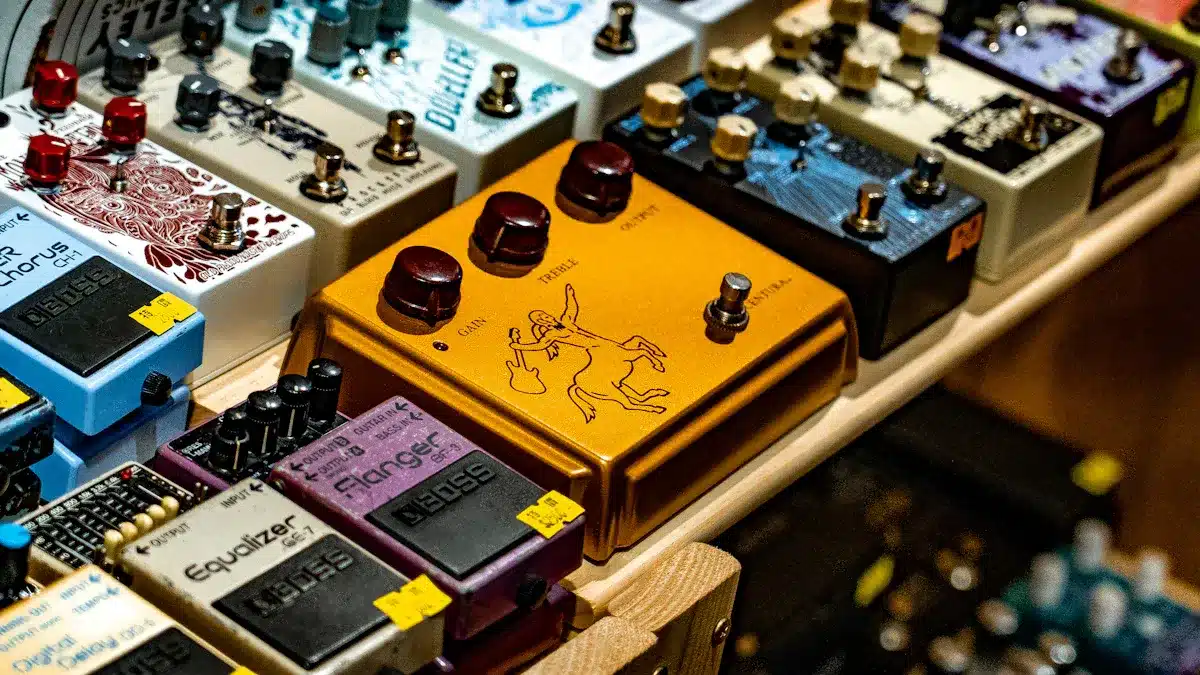
Bass players sometimes ask if they should use guitar pedals or bass pedals. Guitar fuzz pedals focus on higher sounds. This can make the bass sound weak or lose its power. Pedals made for bass work better because they fit the bass’s sound range.
Fuzz pedals are made to match the sound range of guitars. This can make them sound bad with bass. Bass fuzz pedals are built for the bass’s sound range. This helps the bass sound right.
If you want your bass to sound strong and clear, pick a pedal made for bass. These pedals keep the low notes full and the sound even.
Key Features (Blend, EQ)
Some features make fuzz pedals better for bass. Blend knobs let you mix your clean sound with the fuzz. This keeps your bass tone strong. EQ controls help shape your sound and take away muddiness. For example, the BONESTAGER pedal has a TAME knob. It lowers high sounds and makes the bass stand out. The tightness control makes the sound punchy and clear.
EQ settings change how the pedal affects your bass. The table below shows what happens when you change different sounds:
周波数範囲 | Effect on Bass Signal |
|---|---|
80 Hz to 200 Hz | Adds energy and fullness |
200 Hz to 500 Hz | Can cause muddiness; cutting cleans up sound |
500 Hz to 1 kHz | Brings punch and enhances clarity |
1 kHz to 5 kHz | Controls attack, harmonics, and clarity |
The MusonTek FUR FUR Fuzz Pedal has three sound settings and a blend knob. These help bass players keep their sound clear and strong, even with lots of fuzz.
Notable Pedals for Bass
Many fuzz pedals work well with bass. Some of the best pedals are:
Made as a special fuzz effect, not like FF, TB, or Muff.
Lets you change the gain a lot and has low noise.
Has three EQ choices for different styles, so it works for stoner, sludge, and doom.
Has a Body control to clean up your sound and a Bias control that can turn it into a distortion pedal.
The MusonTek FUR FUR Fuzz Pedal also gives you great quality and lots of ways to change your sound. Bass players can use these pedals to try new sounds and keep their low notes strong.
Common Issues and Fixes
Muddiness and Definition
Bass players often notice muddiness when they use a fuzz pedal. The effect can make notes blend together, which makes it hard to hear each note clearly. Some pedals add too many high harmonics, which can mask the original bass sound. Players sometimes hear unwanted noise or scratching in the pots. This can distract from the music and make the pedal less enjoyable to use.
To improve definition, players adjust the tone and gain controls. Lower gain settings help keep the sound tight. Some pedals offer special frequency settings that let users shape the sound. These controls help players find a balance between fuzz and clarity.
Keeping Low End
Maintaining strong low end is important for bassists. Many standard pedals cut out low frequencies, which makes the bass sound thin. Bass-specific pedals use special circuits to keep the low notes full. Blend knobs allow players to mix the clean signal with the fuzz effect. This keeps the original bass tone present in the mix.
Players often use EQ controls to boost the low frequencies. They set the blend knob to keep enough clean signal. Some pedals, like the MusonTek FUR FUR, include multiple frequency settings. These options help players keep their low end strong while enjoying the fuzz effect.
Tip: If the bass sounds weak, try increasing the blend knob or boosting the low frequencies with the EQ.
Practical Solutions
Bassists use several strategies to solve common problems with fuzz pedals:
Adjust the blend knob to mix clean and fuzz signals.
Use EQ controls to shape the sound and remove muddiness.
Choose pedals with special frequency settings for bass.
Clean the pots regularly to reduce scratching noises.
Place the pedal early in the signal chain for a stronger effect.
The table below shows quick fixes for common issues:
Problem | Solution |
|---|---|
Muddiness | Lower gain, adjust EQ |
Weak low end | Use blend knob, boost lows |
Scratching pots | Clean pots, check connections |
Players who follow these steps can enjoy a clear, powerful bass sound with their fuzz pedal.
Fuzz Pedal Tips for Bass
Settings and Adjustments
Bass players like to try different pedal settings. They want to find the sound they like best. The blend knob mixes the clean bass with the fuzz effect. If you turn the blend knob up, the bass stays strong and clear. If you turn it down, you get more fuzz and texture. The tone knob changes how the bass sounds. Turning the tone knob up makes the bass brighter. Turning it down makes the sound warmer and older. The gain knob controls how much distortion you hear. Low gain gives a soft effect. High gain makes the sound thick and strong. Players try many settings to see what fits their style.
Tip: Put the blend knob in the middle and slowly turn up the gain. Listen for a mix of clear bass and fuzz.
シグナルチェーンの配置
Where you put the fuzz pedal in your setup changes the sound. If you put the pedal first, it gets a clean signal from the bass. This helps the pedal sound the way it should. It also stops problems with other pedals, like buffered pedals. When the fuzz pedal gets a clean signal, the effect is stronger and clearer. Most players put the fuzz pedal before EQ or compression pedals.
Signal Chain Order | Result |
|---|---|
Fuzz → EQ → Compressor | Fuzz is clear and easy to change |
EQ → Fuzz → Compressor | Fuzz is not as clear |
Combining Effects
Bass players use other effects with fuzz pedals to make new sounds. They mix pedals to get more choices and be creative.
You can change your sound fast with effects pedals. This helps when you play live.
You can control each effect to fit different parts of a song.
Mixing effects helps you come up with new ideas and cool sounds.
Players often use fuzz with chorus, delay, or octave pedals. This lets them try out different sounds and feelings. Trying new pedal mixes can lead to fun and interesting results.
Fuzz pedals can sound good on bass if you pick the right pedal and use the best settings. Blend knobs and EQ controls help keep the low notes strong and make the sound clear. Many bass players like pedals with more features, like the MusonTek FUR FUR Fuzz Pedal, because they help in many ways:
You can change the sound to fit your style.
The fuzz effect makes the notes loud and rough.
Special controls keep the sound clear and deep, even when you turn up the distortion.
Bass players should try different settings and listen for new sounds. Every player can find their own special sound by using a fuzz pedal.
よくあるご質問
Can any fuzz pedal work with bass?
Most fuzz pedals work with bass, but some cut low frequencies. Bass-specific pedals, like the MusonTek FUR FUR, keep the low end strong. Players should check for blend knobs and EQ controls to get the best sound.
Why does my bass sound thin with a fuzz pedal?
Some fuzz pedals remove low frequencies. This makes the bass sound thin. Pedals with blend knobs or special EQ settings help keep the bass full and powerful.
How do blend knobs help bass fuzz tone?
Blend knobs mix the clean bass signal with the fuzz effect. This keeps the original bass sound clear. Players can adjust the blend to find the right balance for their style.
Where should a fuzz pedal go in the signal chain?
Most players put the fuzz pedal first. This gives the pedal a clean signal. The fuzz effect sounds stronger and clearer at the start of the chain.
What genres use fuzz on bass?
Rock, punk, grunge, and experimental music use fuzz on bass. Artists in these styles like the thick, aggressive sound. Fuzz pedals help bass lines stand out in a mix.