Stereo delay gives guitar sounds a wide and full feeling. It makes each note sound big and lively. Many guitar players use a delay guitar pedal to make their music deeper. A delay pedal with stereo can split the sound left and right. This makes the music sound even bigger.
-
Stereo effects can make a guitar sound much larger. They also make it more interesting for people to hear.
-
Mono delay gives a simple and steady sound. Stereo delay can fill a room with moving and open sounds.
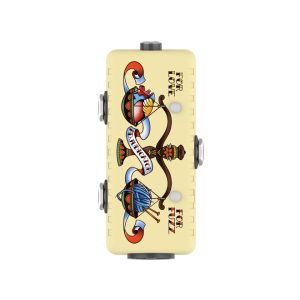
Guitarists often pick a MusonTek delay guitar pedal 仲裁员 for recording in studios. They also use it when they want the delay to be noticed. To get the best sound, the signal must stay strong and clear. Buffers help keep the delay effect strong. This is important when using long cables or many pedals.
主要收获
-
Stereo delay makes the guitar sound bigger and fuller. It helps the music sound better to people listening. Using different delay times on the left and right sides tricks your brain. It makes you think the sound is coming from a bigger space. When playing live, put two amplifiers on the left and right. This makes the stereo effect stronger and gets the crowd interested. If you use stereo delay with reverb, the sound feels deeper and richer. It makes the guitar sound more real. Always check your setup. This helps you avoid phase problems and keeps the sound clear and strong.
Wide Stereo Spread with Delay Guitar Pedal

Bigger Guitar Sound in the Mix
A delay guitar pedal can transform a simple guitar sound into something much larger. Stereo delay works by splitting the guitar signal into two separate channels. Each channel processes the sound independently. This creates a wide soundstage that feels immersive and exciting. Many guitarists notice that their music fills the room when they use a delay guitar pedal in stereo mode.
-
Stereo delay pedals use two output channels. Each channel can have its own delay time and settings.
-
This independent processing gives the guitar a sense of space and separation.
-
The stereo setup allows for small changes in timing and decay. These changes make the sound feel wider than a mono delay.
When a guitarist uses different delay times on the left and right channels, the sound becomes even bigger. The brain uses differences in sound level and timing to figure out where a sound comes from. This is called interaural level difference and interaural time difference. By changing the delay time on each side, the delay guitar pedal tricks the brain into hearing a wider soundstage.
Professional recordings often use this technique. Engineers pan the dry guitar to one side and the delayed signal to the other. This creates a wide field of sound. Sometimes, they use a separate track for the delay effect. This allows them to adjust the delay level during different parts of a song. They can also EQ the delay differently from the main guitar signal. This makes the mix sound clear and balanced.
Tip: In small venues, a subtle stereo delay can make the guitar sound fuller and more present in the mix. This helps the guitar stand out without being too loud.
Live and Studio Applications
Stereo delay shines in both live and studio settings. In live shows, guitarists often use two amplifiers. They pan one amp hard left and the other hard right. This setup lets the audience hear the full stereo spread. The delay guitar pedal sends different signals to each amp. The result is a guitar sound that feels much bigger than a single amp can provide.
-
Using two amps with a delay guitar pedal creates a wide and powerful sound.
-
Panning at least 25% left and right helps achieve a strong stereo effect.
-
Adjusting the spread and left/right ratio on the delay pedal lets players control how wide the sound feels.
In the studio, engineers use stereo delay to add depth and movement to guitar tracks. The Haas effect plays a big role here. When a sound is delayed by up to 40 milliseconds and panned to one side, the listener hears a single, wide sound. This makes the guitar feel larger and more immersive. The Haas effect works best for instruments like guitar, which do not have sharp, sudden sounds.
-
The Haas effect enhances width by delaying one side and panning it.
-
This technique turns a mono guitar into a stereo sound quickly.
-
It adds spaciousness and depth, making the guitar stand out in the mix.
Guitarists and engineers must watch for phasing issues when using stereo delay. Proper setup ensures the delay effect sounds clear and does not lose power. The best stereo effect happens when the listener stands in the middle, between the two speakers or amps.
Note: Always check the stereo spread in both headphones and speakers. This helps make sure the delay effect works well in any listening environment.
A delay guitar pedal with stereo capability gives players and producers many creative options. By using two amps, adjusting delay times, and applying the Haas effect, they can create a guitar sound that is wide, deep, and unforgettable.
Adding Space and Depth
Simulating Ambience and Reverb
Stereo delay helps guitarists make their sound bigger and deeper. It works by sending repeats to the left and right channels separately. This makes the music sound wide. You can set different delay times for each side. Guitar solos sound huge because the delay fills up both sides.
Stereo delay can also copy the feeling of reverb and ambience. Guitarists mix delay with different kinds of reverb to change their tone. The table below shows how mixing delay and reverb changes the sound:
|
Mode |
说明 |
|---|---|
|
Delay + Plate Reverb |
Delay with plate reverb makes a bright sound. |
|
Delay + Hall Reverb |
Hall reverb adds depth and feels like a big space. |
|
Delay + Room 2 |
Room 2 gives a close, cozy sound with delay. |
|
Delay + Room 1 |
Room 1 is like Room 2 but sounds a bit different. |
Reverb makes the guitar sound like it is in a real place. Delay repeats the guitar sound and makes echoes. These effects together make the guitar sound full and real.
Note: If you use mono output with stereo delay, you might get phase and frequency problems. This can change how deep and wide the sound feels.
Enhancing Clean and Ambient Tones
Stereo delay is great for clean and ambient guitar sounds. Many styles use stereo delay for soft, dreamy, or warm tones. Shoegaze uses lots of repeats and long delays for a dreamy sound. Reggae likes long repeats and tape-like delay. Jazz uses warm repeats to make solos and chords sound better.
Some good ways to make clean tones better with stereo delay are:
-
Slapback delay sounds like two guitars playing a little apart and makes the sound wider.
-
Stereo pedals, like doubler pedals, move the sound left and right for a bigger feel.
-
Putting stereo effects after the drive pedal makes the whole sound better.
You can copy a mono guitar track and add a delay of 10 to 40 milliseconds. Then pan the sound to make it wide. Setting delays between 15ms and 30ms on each side makes the mix deeper. Mono delay puts all the sound together and can lose space. Stereo delay keeps the repeats apart and keeps the depth.
Tip: Always listen to both sides in a stereo setup. If you only use one side, you can lose some of the delay and the space in the sound.
Rhythmic Patterns and Movement
Dynamic Grooves with Stereo Delay
Stereo delay helps guitarists create exciting grooves that move with the music. When players use delay, they can set different delay times for each channel. This makes the guitar sound bounce between speakers. Ping-pong delay sends echoes from left to right, giving the music a lively feel. Guitarists often match the delay to the tempo of the song. This keeps the rhythm tight and makes every note stand out.
Many guitarists use delay to build rhythmic motifs. They play simple two-note patterns and let the delay fill the space between notes. This creates a pulsing effect that matches the tempo. Some players set the left channel to a quarter note and the right channel to a half note. The delay creates new rhythms that blend with the original melody. This makes the music sound like a conversation between the guitar and the delay.
Polyrhythms add even more movement. Guitarists group three notes against a four-beat pattern. The delay mixes with the main rhythm and makes the song more complex. Power chords and open triads sound bigger with delay. These chords cover a wide range and add energy, especially during fast tempo changes.
Tip: Try changing the delay time to match the tempo of each song. This helps the delay stay in sync and keeps the groove strong.
Creative Panning Effects
Stereo delay gives guitarists many ways to shape their sound. By panning the delay differently from the dry signal, players can make the music more interesting. The delay can move left and right, creating a sense of motion. This works well with time-based effects like chorus or flanger. When combined, these effects make the guitar sound even wider.
Experimenting with delay settings lets guitarists find new rhythms. They can set the delay to match the tempo or use odd delay times for unique patterns. Time-based effects work best when the delay supports the main rhythm. Players often use delay with other time-based effects to build layers of movement.
Guitarists use delay to create movement in solos and leads. The delay repeats follow the tempo and add depth. Creative panning makes each repeat sound like it travels across the speakers. This keeps the listener engaged and makes the music feel alive.
Note: Always listen to how the delay interacts with other time-based effects. Adjust the tempo and delay time until the sound feels balanced and exciting.
Immersive Soundscapes
Layering Textures
Guitarists use stereo delay to make thick layers of sound. They mix delay with other effects to get a dreamy background. Ping-pong delay makes the sound jump from left to right. This makes the guitar seem to float in the music. It helps the music feel bigger and more fun to listen to.
-
Ping-pong delay moves the guitar sound from side to side.
-
Soft delay effects add gentle echoes to the main notes.
-
Slow delay with feedback makes long echoes that change over time.
-
Short delay times make the sound wider and more detailed.
-
Changing delay feedback over time adds movement to the sound.
Many guitarists use delay with chorus or flanger effects. This makes the guitar sound like a movie or very deep. Long delay times, like 800 milliseconds or more, make big, soft sounds that fill the space. Some players use two delay pedals in a row with different settings. This works well in styles like progressive metal and post-rock. These styles need thick layers of sound.
Tip: Using delay with other effects can make a simple guitar part sound full and dreamy.
Motion in Solos and Leads
Stereo delay makes solos and lead parts sound alive. It adds movement that keeps people interested. When a guitarist sets different delay times for left and right, the sound moves between speakers. This makes the solo feel active and wide.
-
Stereo or ping-pong delay makes the sound move from side to side.
-
Setting one delay to an eighth note and the other to a dotted-eighth note makes the sound more complex.
-
The delay repeats bounce back and forth, making the solo sound bigger.
Guitarists use delay to help their solos stand out in the music. The echoes follow the main notes and make a trail that people notice. This works for both fast and slow solos. The listener hears the guitar move, which makes the music more exciting.
Note: Changing delay times and feedback can help shape how a solo or lead part moves and feels.
Delay Pedal Setup for Stereo
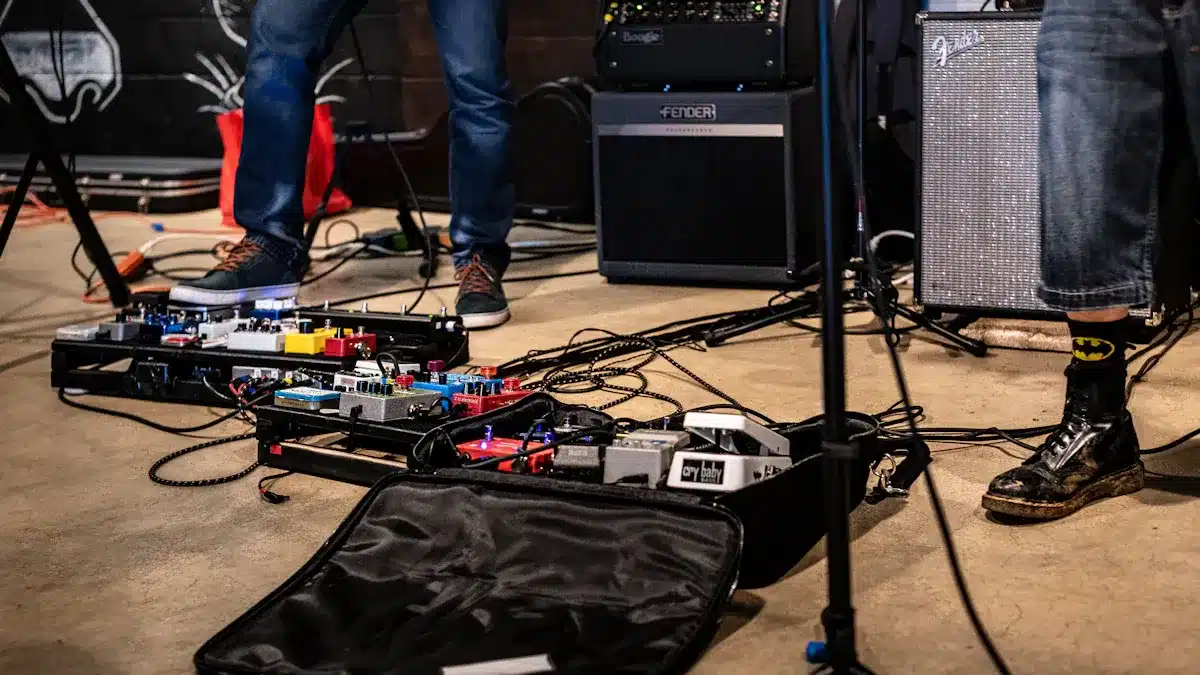
Pedalboard and Amp Configuration
A stereo delay pedal can make your guitar sound much bigger. First, plug your guitar into the delay pedal’s input. The pedal has two outputs called left and right. Each output goes to its own amplifier. This lets the delay send different sounds to each amp. That is how you get a real stereo effect.
Many guitarists use long cables and lots of pedals. This can make the sound weak or dull. The MUSONTEK Buffer Adjudicator keeps the sound strong and clear. It changes the guitar’s high-impedance signal to low-impedance. This helps the sound stay bright, even with many pedals or long cables. The Buffer Adjudicator also keeps the delay repeats sharp and lively. You can use the “For Fuzz” mode to add fuzz without losing your tone.
Wet/dry controls on the delay pedal let you mix the original sound with the echoes. Adjusting these controls helps balance the dry guitar and the delay. This makes the stereo effect sound smooth and nice.
Tip: Always check your pedalboard before you play. Make sure every cable goes to the right amp and output.
Avoiding Common Mistakes
Guitarists sometimes set up stereo delay the wrong way. One mistake is not thinking about pedal order. For example, putting a fuzz pedal before the delay changes the repeats. The delay will echo a fuzzy sound, which might not be what you want. Always plan what goes into the delay and what comes after.
Another mistake is setting the delay time too short. If it is under 20 milliseconds, you get a flanging sound. For a doubling effect without noise, set the delay between 25 and 40 milliseconds. Wet/dry controls help stop muddiness by letting you cut low sounds from the repeats.
Using a buffer or splitter, like the MUSONTEK Buffer Adjudicator, gives more benefits. It keeps your guitar’s real sound and makes it easy to use two amps. This setup gives a richer sound and more control, both live and in the studio.
Note: Always listen to both amps at the same time. This helps you find any phase or balance problems before you play.
Stereo vs. Mono Delay
Key Differences
Mono delay pedals send the same signal to both outputs. This creates a focused and direct sound. Many players use mono delay for simple echo effects. The repeats stay in the center of the mix. Mono delay works well when a guitarist wants clarity and does not need extra width.
Stereo delay pedals work differently. They split the signal and send different repeats to the left and right outputs. This creates a wide and immersive sound. Stereo delay can make the guitar feel like it fills the whole room. Some stereo delay pedals offer ping pong effects, where the repeats bounce from one side to the other. This adds movement and excitement to the music.
-
Mono delay pedals are used for straightforward, focused delay effects.
-
Stereo delay pedals are ideal for creating expansive soundscapes and effects like ping pong delay.
Note: Stereo delay can make a solo or chord sound much bigger. Mono delay keeps the sound tight and centered.
Choosing the Right Delay Type
Guitarists choose between mono and stereo delay based on their needs. Mono delay fits best in simple setups or when using only one amplifier. It helps the guitar cut through the mix without extra space. Mono delay is also easy to set up and works well for classic rock, blues, and country styles.
Stereo delay works best when a player wants to create a wide soundstage. It shines in modern music, ambient styles, and live shows with two amplifiers. Stereo delay can add depth and motion to clean tones, solos, and layered parts. Players who use many effects or want to fill a large space often pick stereo delay.
|
Delay Type |
最适合 |
Sound Character |
|---|---|---|
|
Mono Delay |
Simple setups, single amp |
Focused, centered |
|
Stereo Delay |
Wide sound, two amps, ambience |
Expansive, immersive |
Tip: Always match the delay type to the music style and setup. Stereo delay needs two outputs for the full effect, while mono delay works with just one.
Stereo delay is useful in many cases. Players hear a bigger sound with stereo, especially with ping pong effects. Some guitarists put two speakers behind them. This makes the sound feel like it is all around them. Buffers and clean boost pedals keep the sound strong when using many pedals. The table below lists tools that help keep the signal clear:
|
组件 |
Purpose |
|---|---|
|
Pete Cornish Pedals |
These are top buffers that keep the signal strong and keep the guitar’s real sound. |
|
NB-3 Clean Boost Pedals |
These pedals make sure the stereo sound stays strong before it goes to the amps. |
|
Buffers in Signal Chain |
Buffers stop the sound from getting weak when using lots of pedals. |
Players should test different delay settings and setups to see what they like. They can talk about what works or ask questions in the comments.
常见问题
What is the main benefit of using stereo delay?
Stereo delay makes the guitar sound wider and more immersive. It sends echoes to both left and right channels. This effect helps the guitar stand out in a mix.
Can you use stereo delay with only one amplifier?
Stereo delay works best with two amplifiers. Using one amp will combine both channels into mono. This reduces the wide effect and may cause phase issues.
Where should a buffer go in a stereo delay setup?
A buffer, like the MUSONTEK Buffer Adjudicator, should go early in the signal chain. It keeps the sound strong and clear, especially with long cables or many pedals.
Does stereo delay work for all music styles?
Stereo delay fits many styles, such as rock, ambient, and pop. It adds space and depth. Some classic styles, like blues, may use mono delay for a tighter sound.
How do you avoid phase problems with stereo delay?
Always check the sound with both speakers or amps. Make sure the delay pedal settings match the setup. This helps prevent phase and balance issues.