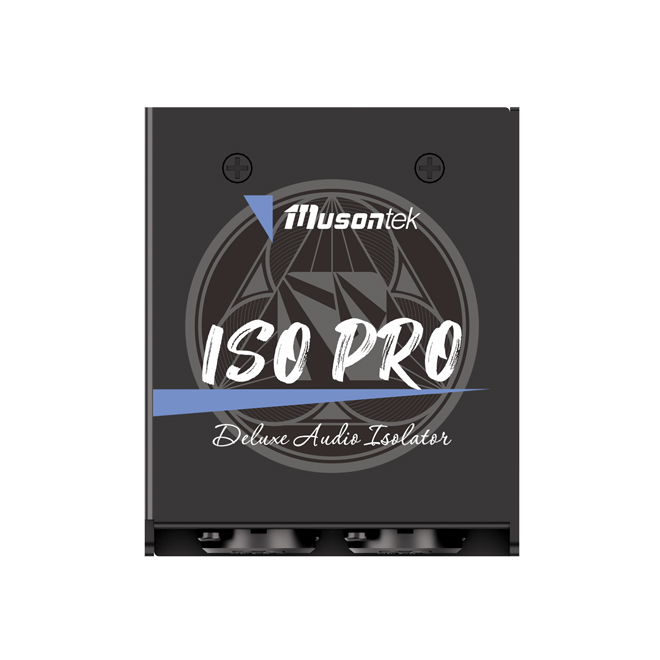
Line isolators isolate audio signals to eliminate noise. DI boxes convert instrument signals to signals suitable for professional audio equipment. Musicians and audiophiles can sometimes be confused by these tools. Choosing the right equipment can improve sound quality and help equipment work together effectively. DI boxes maintain signal clarity by converting unbalanced signals to balanced signals.
主要收获
- Line isolators eliminate noise such as hum and hiss. They isolate audio equipment without changing the signal type.
- DI boxes convert unbalanced instrument signals to balanced signals. This allows the signal to travel long distances without loss of sound quality.
- Using a line isolator can eliminate ground loop noise. It is suitable for home studios or live performances.
- Choosing a DI box connects instruments such as guitars to a mixing console. It helps achieve a clear sound and match the appropriate impedance.
- Understanding the differences between these devices will help you choose the right equipment for your audio needs.
Line Isolators & DI Box Overview
What Is a Line Isolator?
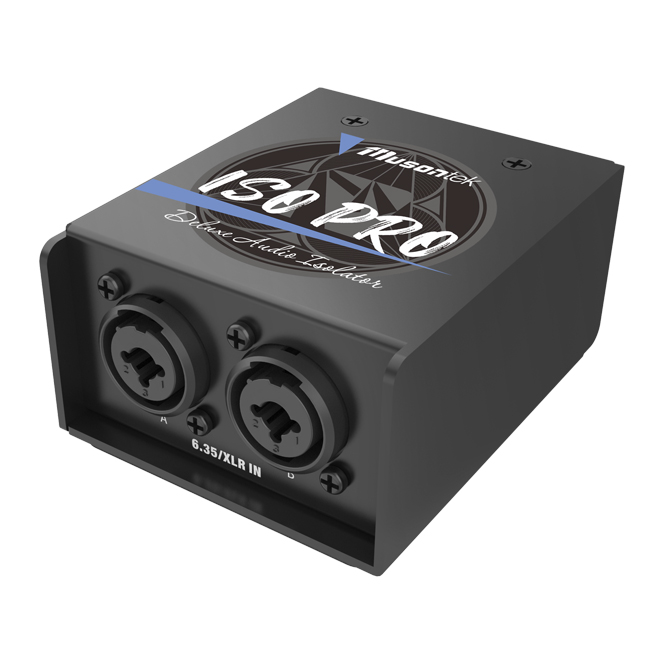
A line isolator is a tool used to isolate two audio devices. It prevents noise such as hum or hiss from interfering with audio signals. The device uses a special transformer to disconnect the electrical connection between the input and output. Line isolators are used to achieve cleaner audio.
Main Functions
Line isolators play a vital role in audio systems. The table below lists some of their main functions and their effects:
| Component/Feature | 说明 |
|---|---|
| Electrical Ground Isolation | Stops ground loops and lowers noise. |
| Differential Isolation | Removes common-mode noise for better sound. |
| No Power Needed | Works without batteries or extra power. |
| Simple Signal Path | Keeps the signal path short and clear. |
Typical Uses
Line isolators are widely used in the following situations:
- Active speakers can be affected by ground loop noise generated by power lines.
- Car audio systems use isolators to maintain the clarity of the music.
- Home stereo systems (equipped with DACs or amplifiers) use DI boxes to eliminate ground loops.
- Professional audio equipment uses isolators with balanced cables to reduce noise.
What Is a DI Box?
A DI box, also known as a direct injection box, is used to convert instrument signals to make them compatible with professional audio equipment. It converts unbalanced, high-impedance signals to balanced, low-impedance signals. This helps maintain sound quality during long-distance cable transmission.
Main Functions
DI boxes have several key functions. The following table lists these functions:
| 功能 | 说明 |
| Signal Conversion | Changes unbalanced signals to balanced signals for better transmission. |
| Signal Balancing | Cancels noise picked up along the cable. |
| Isolation | Breaks ground loops to stop hum. |
| 阻抗匹配 | Matches the instrument’s output to the mixer’s input for best sound. |
Typical Uses
DI boxes are widely used in various audio scenarios:
- Studio recording requires clear instrument tone.
- Live performances require transmitting keyboard or guitar signals to the mixing console.
- Broadcasting and film production require clear recorded audio.
- Fixed venues use DI boxes to achieve a stable, balanced sound.
Line Isolator vs DI Box
Signal Handling Differences
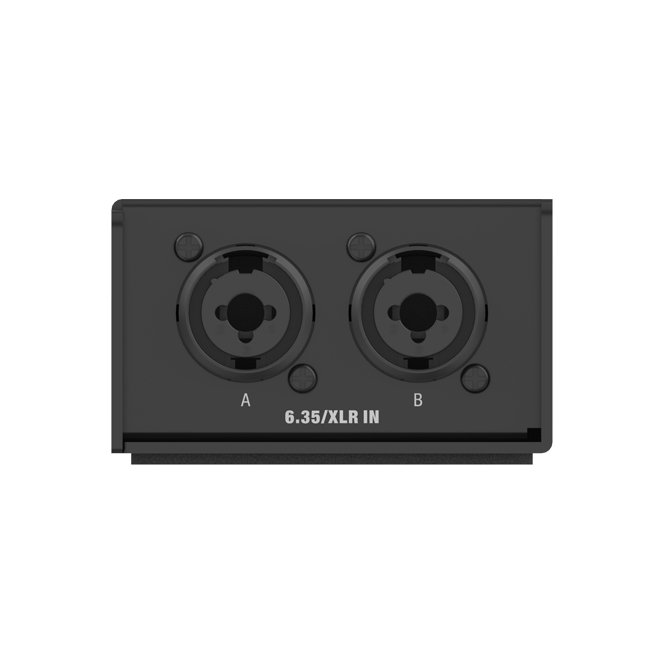
Line isolators and DI boxes both improve sound quality, but they work differently. A line isolator maintains a constant signal level. It uses a 1:1 transformer ratio to match the output to the input. This device eliminates ground loops and provides electrical isolation. A DI box, on the other hand, converts unbalanced signals to balanced signals. It can also amplify weak signals, allowing them to travel further and without noise.
The table below lists how various devices process signals:
| 特点 | Line Isolators | DI Boxes |
| Purpose | Prevent ground loops and provide electrical isolation | Convert unbalanced signals to balanced signals |
| Signal Level | Maintains the same level (1:1 transformer ratio) | Can amplify weak signals |
| Typical Applications | Breaking ground loops between devices | Feeding mic inputs from instruments |
| Isolation Type | 电隔离 | Ground isolation |
Tip: Use a line isolator if you want to keep your signal clean and free from hum, but do not need to change the signal type.
Transformer Ratios and Impedance
Transformer ratio and impedance are crucial for these devices. Line isolators use a 1:1 transformer ratio. This means it does not change the signal strength. It is best suited for low-impedance signals, such as those from audio interfaces or amplifiers. Its primary function is to block noise without altering the sound.
DI boxes use different transformer ratios. They convert high-impedance signals (such as those from an electric guitar) into low-impedance balanced signals. This helps maintain sound quality during long-distance transmission. DI boxes can also match the impedance between the instrument and the mixing console.
The table below compares how each device manages signal type and impedance:
| 功能性 | Signal Type | Impedance | Output Type |
| Direct Injection (DI) | Unbalanced, high impedance (e.g., Electric Guitar) | High Impedance (above 1k) | Balanced via transformer |
| Line Isolator (LI) | Unbalanced, low impedance (e.g., Amp + Cab Sim) | Low Impedance (less than 1k) | Balanced via transformer |
Application Comparison
Musicians and audio engineers use these devices in different ways. Line isolators are ideal for connecting two devices that might create a ground loop. For example, you can use one between a computer audio interface and an active speaker. This setup helps eliminate hum and hiss. DI boxes are ideal for connecting instruments like electric guitars or keyboards to a mixing console. They alter the signal, allowing it to travel over long cables without picking up noise. They also ensure the instrument matches the input signal to the mixing console.
Here are some common uses for each type of device:
- In home studios, live sound systems, or car audio systems, line isolators eliminate ground loops.
- In recording studios or on stage, DI boxes connect guitars, basses, or keyboards to a mixing console.
Note: Choosing the right device depends on the signal type and the problem you’re solving. Understanding these differences will help you build a clean and reliable audio setup.
Choosing Between a Line Isolator and a DI Box
When to Use a Line Isolator
Line isolators are the best choice for solving noise problems. This noise can be a hum or hissing sound caused by ground loops. These problems are common in recording studios, live performances, and home audio systems. The device uses a passive audio transformer and requires no power supply. The signal path remains short and simple. Line isolators are suitable for line-level analog signals. They function even if the device has different grounding terminals. Line isolators are used to solve the following problems:
- Humming caused by multiple ground loops.
- Noise from radio or electromagnetic signals.
- DC offset or voltage drift that affects sound quality.
- Signal mismatch that causes a drop in volume.
Line isolators maintain the impedance and level of the signal, thus ensuring that the sound remains consistent with the original signal.
When to Use a DI Box
DI boxes are used to connect instruments to a mixing console. They can be used for electric guitars, basses, or keyboards. They convert unbalanced high-impedance signals into balanced low-impedance signals. This allows the signal to travel long distances without being affected by noise. DI boxes also eliminate hum through isolation. The table below lists the best application scenarios for DI boxes:
| Scenario | 说明 |
| Studio Recording | Gets clear, high-quality sound from instruments. |
| Live Performances | Sends balanced signals to mixers and cuts down noise. |
| Broadcasting and Film Production | Makes sure audio is clear and reliable in pro settings. |
| Permanent Venue Installations | Keeps sound steady and balanced in fixed setups. |
Practical Recommendations
Choose the right equipment based on your audio needs. Consider signal type, noise levels, and whether impedance matching is required. Musontek is dedicated to helping solve practical audio problems. For example:
- If you need power, choose between active or passive DI boxes.
- Some people prefer the clean sound of active DI boxes.
- Others prefer the unique sound of passive DI boxes.
- In high electrical noise environments, transformer isolation is more effective.
- If you want to save money, passive equipment is more economical.
Tip: Match the device to your problem. Use a line isolator for noise and ground loops. Pick a DI box to connect instruments to pro audio gear.
Common Misconceptions About Line Isolators and DI Boxes
Overlap and Confusion
Lots of people get line isolators and DI boxes mixed up. They sometimes think both devices do the same thing. This mix-up can cause trouble in audio setups. Some people believe anything called a “stereo DI” gives real line isolation. But many products, like stereo Y-cables or passive splitters, do not give isolation. These can even make ground loops and extra noise.
The table below lists some common mistakes and explains why they are wrong:
| Misconception | 说明 |
| Not every product labeled ‘stereo DI’ delivers true line isolation. | Many products, such as ‘Stereo Y-cables’ or passive splitters, do not provide isolation and can create ground loops instead. |
| Single-transformer stereo DIs share magnetic flux. | This can lead to intermodulation distortion and a significant reduction in common-mode rejection ratio (CMRR). |
| Units with non-detachable ground lifts are problematic. | If the ground lift switch is internal, it limits adaptability to different venue conditions. |
| Consumer-grade audio isolators often use cheap components. | These typically have low CMRR and poor high-frequency performance. |
| Lack of serviceable warranty indicates poor quality. | Transformer-based units should be repairable, not disposable. |
Note: Always check what features a device has before using it in your audio system.
Clarifying Roles
Both line isolators and DI boxes protect audio equipment, but they function differently. Line isolators provide electrical isolation without altering signal strength. Their primary function is to eliminate ground loop noise, acting as a safety shield. DI boxes, on the other hand, convert unbalanced instrument signals to balanced microphone levels.
The following brief list can help you remember their respective functions:
- Line isolators eliminate ground loops, keeping the signal pure.
- DI boxes convert instrument signals so they can be used by the mixing console.
- Both devices protect audio equipment, but they handle different signal levels and are used for different purposes.
Understanding these differences helps musicians and audio engineers make better choices. Understanding this knowledge helps achieve better sound quality and reduce malfunctions in any setup.
Line isolators maintain sound clarity by eliminating the hum and hiss caused by ground loops. DI boxes convert instrument signals so they can be used by the mixing console. Each device is suitable for a specific purpose in an audio setup. The table below lists the best tools for each need:
| 使用案例 | Best Device | Key Reason | Common Mistake |
|---|---|---|---|
| Electric bass to mixer | Passive DI | Handles strong signals, keeps low-end | Active DI may distort sound |
| Acoustic guitar to interface | Active DI | Matches high-impedance pickups | Passive DI can thin the tone |
| Synth to console | Active DI | Balances line-level signals | Passive DI may cause level drop |
| Guitar to amp and mixer | Passive DI with thru | Keeps amp tone, gives clean feed | Active DI may change attack |
Users should pick the right device for their setup to get the best sound.
常见问题
What is the main function of a line isolator?
A line isolator eliminates hum and hiss in audio signals. It uses a transformer to isolate the equipment, thus maintaining the purity and clarity of the sound.
Can a DI box be used for both guitar and keyboard?
Yes. A DI box alters the signal of a guitar or keyboard, making it strong enough to be received by a mixing console. This is helpful for both live performances and studio recordings.
Does a line isolator need a power source to operate?
No. A line isolator operates without batteries or an external power source. It uses a passive transformer, making it simple and reliable.
What role does a DI box play in live performances?
A DI box sends the instrument signal to the mixing console via a long cable, thus maintaining the strength of the sound and eliminating noise. Musicians use it on stage to achieve better audio quality.
When should a line isolator be chosen instead of a DI box?
A line isolator should be chosen when the main problem is ground loop noise. Use a DI box when connecting instruments to professional audio equipment.