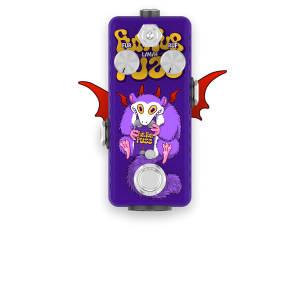
A fuzz pedal changes a guitar’s clean signal into a thick, saturated, and harmonically rich sound. Musicians use this effect to create bold tones that stand out in a mix. The MusonTek FUR FUR Fuzz Pedal gives players a modern tool for shaping their sound. This Fuzz pedal offers a unique blend of fuzz and crush effects. Players find it easy to use and enjoy its clear, powerful output.
主要收获
-
A fuzz pedal changes a guitar’s clean sound. It makes the sound thick and rich. This helps the guitar stand out in songs.
-
The MusonTek FUR FUR Fuzz Pedal has special features. It has three frequency settings. Musicians can change their sound with these settings.
-
Fuzz pedals are not the same as overdrive or distortion pedals. They cut mid frequencies and add harmonics. This gives the guitar a strong and bold sound.
-
Using a fuzz pedal can make live shows better. It also helps in studio recordings. Guitarists can get expressive tones and textures.
-
Trying different fuzz pedal settings is fun. It helps musicians find new sounds. It also gives them more ways to be creative in music.
How a Fuzz Pedal Works
work by Signal Clipping and Harmonics
A fuzz pedal changes the guitar sound using transistors and diodes. These parts push the signal past a certain point. This makes the sound clip, which means the wave gets cut off. The clipped wave makes the sound thick and rough.
Clipping diodes are important for the fuzz effect. Diodes let electricity go one way and block it the other way. They control how much current can move through. Diodes made from Silicon, Germanium, or Gallium Arsenide sound different. The way diodes are set up changes the clipping style. Soft clipping gives gentle extra sounds. Hard clipping makes stronger harmonics.
Dynamic compression also affects the fuzz pedal’s sound. Compression makes loud and soft notes closer in volume. This helps the sound stay even and last longer. Where you put pedals in the chain changes how fuzz and compression work together. If you put a compressor before the fuzz pedal, it can lower the treble. This changes how the fuzz sounds.
The MusonTek FUR FUR Fuzz Pedal mixes fuzz and crush effects. Players can use simple controls to change fuzz and sustain. The pedal has three frequency choices. Musicians can pick vintage warmth or modern sharpness. These features help players find the best sound for any music.
Tip: Try different frequency settings on the FUR FUR Fuzz Pedal. You can find new sounds and harmonics.
|
特点 |
说明 |
|---|---|
|
Versatile Sound Options |
Has three frequency choices for many fuzz sounds. |
|
Unique Fuzz Characteristics |
Makes a thick sound that is different from other fuzz pedals. |
|
Boutique Quality |
Built with strong parts for long-lasting use. |
|
适应性 |
Works well for many music styles and places. |
|
Innovative Design |
Uses new circuits to mix old and new fuzz tones. |

Fuzz pedal vs. Other Distortion
Fuzz pedals make a special sound by clipping mid frequencies and adding overtones. Overdrive pedals copy the sound of loud tube amps. Distortion pedals use hard clipping for a stronger and tighter sound.
Musicians pick fuzz, overdrive, or distortion pedals for different sounds. Fuzz pedals give a thick and bold tone for metal and new music. Overdrive pedals keep more of the guitar’s real sound. They are good for blues and classic rock. Distortion pedals give rough sustain for rock and metal.
-
Fuzz pedals work with guitar pickups in special ways.
-
Overdrive pedals use soft clipping for gentle extra sounds.
-
Distortion pedals use hard clipping for sharper, odd harmonics.
-
The mid-hump changes the tone with different guitars and amps.
|
效果类型 |
Clipping Method |
音调特征 |
|---|---|---|
|
模糊 |
Clips mid frequencies, adds overtones |
Strong, thick sound with lots of overtones |
|
超速 |
Clips sound slowly |
Gritty, full tone, keeps guitar’s real sound |
|
失真 |
Hard-clipping, compresses signal |
Changed sound with long, harmonic sustain |
Famous guitarists have used fuzz pedals for cool sounds. Jimi Hendrix and Eric Johnson played the Fuzz Face.The MusonTek FUR FUR Fuzz Pedal is easy to use. Players can change EQ, body, and bias to shape their sound. These controls help musicians get the right mix of fuzz and clear notes.
|
特点 |
说明 |
|---|---|
|
EQ Options |
Three EQ choices for different music styles |
|
Body Control |
Lets you change how much fuzz you get |
|
Bias Control |
Lets you tweak the sound, even make it distorted |
A fuzz pedal helps musicians try new sounds and textures. Its design and controls make it great for creative playing.
Learn about the sound effects of Fuzz Pedal

Tone and Texture of Fuzz Pedal
A fuzz pedal makes the guitar sound thick and full. The tone is easy to hear in any song. It gives a strong and raw feeling to each note. Many players use fuzz pedals for old-school sounds or to try new ideas. The sound is squished and buzzy, so it is different from overdrive or boost.
The MusonTek FUR FUR Fuzz Pedal has special ways to change the sound. You can turn knobs for volume, fuzz, and tone. These help you make your own sound. The mix knob lets you blend clean and fuzz sounds. This keeps the guitar clear, even with lots of fuzz. The pedal has a high pass filter. It makes fast notes sharp and crisp. You can pick from three frequency settings for more choices.
|
Voltage Level |
说明 |
|---|---|
|
12V |
More headroom, tighter fuzz |
|
18V |
Extra clarity and punch |
Tip: Use the high pass filter and mix knob. They help your sound stay clear when you play solos or fast riffs.
How to using Fuzz Pedals better?
Setup Tips for using Fuzz Pedals
Musicians use fuzz pedals in many ways during live shows, studio sessions, and creative experiments. In live performances, fuzz pedals help guitarists stand out. They boost rhythm tones and make lead parts more expressive. Players can clean up the sound by lowering the guitar’s volume, which gives more control over tone. Sustain from natural compression helps solos sound bigger.
In studio recording, fuzz pedals shape thick and gritty textures. Artists adjust distortion, filter, level, and mix to get the right sound. Placing the fuzz pedal at the start of the signal chain keeps the tone strong. Guitarists often set up their pedalboards with fuzz pedals before modulation, delay, or reverb effects. This placement prevents signal loss and keeps the fuzz pedal’s character clear. Analog fuzz pedals work best when placed early, away from buffered pedals.
Musicians can follow these tips for better results:
-
Start with trusted presets as a base.
-
Adjust settings for the guitar’s pickups.
-
Use your ears to find the best sound.
-
Try a drive pedal before the fuzz pedal for more saturation.
-
Position an EQ pedal after the fuzz pedal and boost upper mids to help the guitar cut through the mix.
The MusonTek FUR FUR Fuzz Pedal stands out for its strong build and reliable performance. MusonTek uses high-quality parts and careful checks, making this pedal durable for both stage and studio use.
Controls and Settings of Fuzz Pedals
Fuzz pedals offer several controls that shape the sound. The table below explains common controls and their effects:
|
控制 |
说明 |
|---|---|
|
失真 |
Changes the amount of fuzz; higher settings give a thicker tone. |
|
Filter |
Adjusts brightness or darkness of the sound. |
|
级别 |
Sets the output volume. |
|
高通滤波器 |
Removes low frequencies for a brighter tone. |
|
Mix |
Blends clean and fuzz signals for more or less fuzz. |
Careful EQ settings can add back lost frequencies without changing the fuzz pedal’s main sound. Boosting the upper mids helps the guitar stand out in a band mix.
“Fuzz makes simple notes sound massive and unique. Octave fuzz adds a special effect, making the sound even more creative. Bass players also use fuzz pedals to get strong, distorted low-end tones.”
Musicians describe fuzz pedals as versatile tools for exploring new styles and techniques. The MusonTek FUR FUR Fuzz Pedal works well with many genres, giving players flexibility and creative options.
Fuzz pedals make guitar sound deeper and more interesting. They help solos pop out and add thick layers to music. The MusonTek FUR FUR Fuzz Pedal is simple to use. It gives lots of different sounds. Guitarists can try new things and find their own way to play.
|
Advantage |
说明 |
|---|---|
|
多功能性 |
Good for many kinds of music and sounds. |
|
Variety of Voicings |
Has both old and new fuzz sounds. |
|
Enhances Other Effects |
Makes other pedals sound cooler and more fun. |
|
Fun and Creative |
Helps players come up with new ideas. |
-
Jimi Hendrix used fuzz to make solos thick.
-
The Rolling Stones made sharp guitar parts with fuzz.
-
Smashing Pumpkins used fuzz pedals for big, loud sounds.
Musicians who play with fuzz pedals often find cool sounds and new ways to show their music.

常见问题
What does a fuzz pedal do?
A fuzz pedal changes a guitar’s clean signal into a thick, saturated sound. It adds harmonics and texture, making the guitar stand out in a mix.
How does the MusonTek FUR FUR Fuzz Pedal differ from other pedals?
The MusonTek F2309 FUR FUR Fuzz Pedal blends fuzz and crush effects. It offers three frequency settings and keeps the sound clear, even at high distortion levels.
Can bass players use a fuzz pedal?
Bass players use a fuzz pedal to create strong, distorted tones. It helps the bass cut through the mix and adds depth to the overall sound.
Where should a fuzz pedal go in a pedalboard setup?
Most guitarists place a fuzz pedal early in the signal chain. This position keeps the effect strong and preserves the pedal’s unique character.
What genres use fuzz pedals most?
Rock, metal, indie, and psychedelic music often feature fuzz pedals. Artists use them to create bold, creative sounds in many styles.