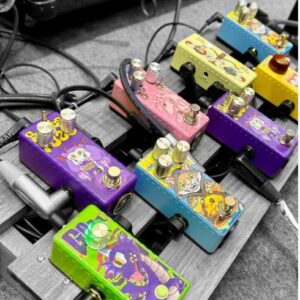
"(《世界人权宣言》) Equalizer Effect lets audio engineers change sound by adjusting certain frequencies. This helps bring out good tones and lower unwanted noise. An EQ compressor, which is often found in a 压缩踏板, controls how loud or soft a sound is. It makes the sound more even. The Musontek Remeowdel is a top equalizer pedal. It gives guitarists exact control over their tone. Learning EQ and compression helps musicians and producers make music clear and balanced.
 主要收获
主要收获
-
The equalizer effect lets you change sound frequencies. It helps boost good tones and cut out bad noise.
-
Using an EQ before a compressor can make the sound cleaner. This helps the compressor work better.
-
The Musontek Remeowdel pedal gives guitarists control over bass, mid, and treble. This helps them get a better tone.
-
Compressors help control how loud or soft music is. They make music sound smoother and more even.
-
Using EQ and compression together can make your music clearer. It can also help your music sound more professional.
Equalizer Effect Explained
What Is an Equalizer?
An equalizer changes how strong different sound frequencies are in music. It works like sliders or knobs that make some parts louder or softer. People use the equalizer effect to improve music or fix sound problems. The main jobs of an equalizer are to balance, fix issues, and make the sound better. The table below explains these jobs:
|
功能 |
说明 |
|---|---|
|
Balancing |
Changing frequency bands so the sound is even and nothing is too loud. |
|
Correcting Issues |
Fixing room sound problems and uneven frequencies with a graphic equalizer. |
|
Enhancing Quality |
Making the sound better by using EQ to fix problem frequencies. |
The Musontek Remeowdel pedal helps guitarists use a 3-band EQ easily. This pedal lets players turn up or down bass, mid, and treble. Each band can make the sound louder by up to +15 dB. The Remeowdel helps musicians change their tone and fit their guitar into any song.
How EQ Shapes Sound
EQ changes music by focusing on certain frequency groups. It lets you turn these groups up or down, which changes the sound. Equalization works like volume controls for different parts of the sound. By moving these controls, you can change how the music feels. For example, turning up the bass makes the sound deeper. Turning down the mids can give a scooped sound.
Musicians use EQ to shape each instrument or voice. This helps each part stand out in the music. Changing EQ is like changing brightness in a picture. The Musontek Remeowdel pedal makes the guitar sound clearer and richer. It brings back brightness and adds depth to the low notes. This makes the guitar sound stronger and more present.
Studies show that EQ settings change how people hear sound. For example, Johnson (2013) found that people like different amounts of high sounds. Jenstad et al. (2007) showed that EQ can keep speech clear, even with different hearing aids. These studies show that EQ really affects how we hear music.
Types of EQ
There are different types of EQ used in music. Each type has special features and uses:
-
Parametric EQ lets you pick the exact frequency, change how wide it is, and set how much to boost or cut.
-
Graphic EQ shows many bands with sliders. Each slider changes a set frequency, so you can see and change the sound shape.
-
Shelving EQ turns up or down all sounds above or below a point. It is good for big changes, like making music brighter or warmer.
-
Dynamic EQ changes the gain depending on how loud the music is. It helps control peaks or smooth out the sound.
The Musontek Remeowdel pedal uses a 3-band EQ. It has three bands for bass, mid, and treble. Each band can boost the sound by up to +15 dB. The pedal is easy to use, so guitarists can make fast changes while playing. Players can put the Remeowdel anywhere in their effects chain to get the best sound for their setup.
The Remeowdel uses analog circuits, which give a warm and real sound. Analog circuits often make music feel more natural. The pedal also has true bypass switching. When the pedal is off, the sound goes straight through with no change. This keeps the original tone safe and stops signal loss. Many musicians pick pedals with true bypass to keep their sound quality.
Tip: Using a pedal with analog circuits and true bypass, like the Musontek Remeowdel, helps keep your guitar’s sound clear and gives you strong control over your music.
EQ vs Compressor
Compressor Basics
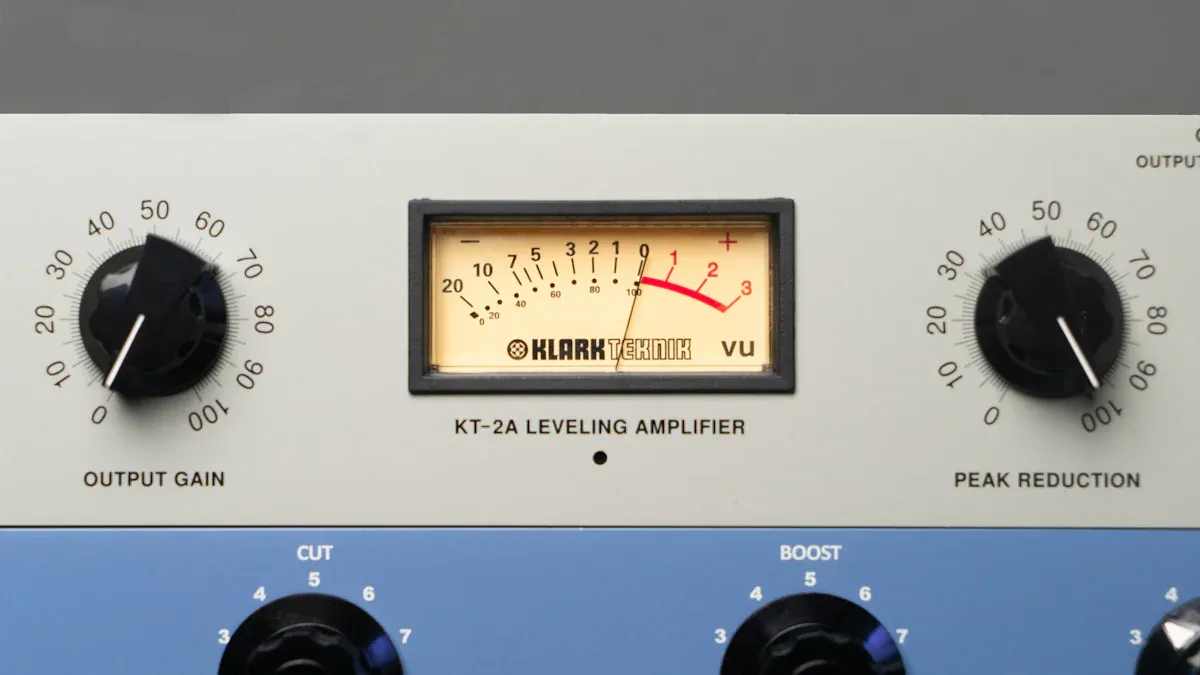
A compressor changes sound by controlling how loud it is. It listens for loud and soft parts in music. Then, it brings them closer together. This makes the music sound smooth and even. Musicians use compressors for vocals, guitars, and drums. This stops them from getting too loud or too quiet. The compressor has a setting called the threshold. When sound goes over this level, the compressor turns it down. Attack and release settings control how fast it works.
Compressors do more than just change volume. They can shape transients, which are the first sharp sounds you hear. Some compressors add color or warmth to music. This makes the sound more interesting. The table below shows how compressors are used in music:
|
Application |
说明 |
|---|---|
|
动态控制 |
Manages volume changes in vocals, guitars, and pianos. |
|
Glueing |
Levels out groups of instruments for a smooth mix. |
|
Transient Shaping |
Lets the first part of a sound through for a punchy feel. |
|
Coloring & Saturating |
Adds character and warmth to the sound. |
|
Loudness Maximization |
Makes music louder by raising the overall level. |
Note: Compressors help music sound balanced and controlled. They are important for live shows and studio work.
How EQ and Compression Interact
EQ and compressors work together to shape music. EQ changes the tone by turning some frequencies up or down. Compressors make loud and soft parts closer together. The order you use them can change the sound.
-
EQ first: Many people use eq first to clean up the sound. This removes noise and shapes the tone before compression. When you use eq first, the compressor gets a cleaner signal. This can make the sound warmer and rounder.
-
Compressor first: Some people put the compressor first. This can fix problems before changing the tone. If you use compressor first, eq can make the sound clearer and brighter after.
The choice depends on what you want. Using eq before compression can stop bad sounds from making the compressor work too hard. Using eq after compression can bring back brightness or soften harsh sounds. Both ways are useful. Experts say to try both and listen.
-
Compression before eq can undo some eq changes. The compressor may limit boosted frequencies.
-
EQ before compression helps stop unwanted harmonics from triggering the compressor.
Tip: Try both ways to see what works best for your music. The right order depends on the sound you want.
Choosing Between EQ and Compression
Choosing between eq and compression depends on what the music needs. EQ is best for changing the tone and removing bad sounds. Compressors are best for controlling volume and making music tight. The table below shows the main differences:
|
功能 |
EQ (Equalizer) |
Compressor |
|---|---|---|
|
Purpose |
Adjusts frequency balance and tonal quality |
Controls dynamic range and levels |
|
Application |
Removes unwanted frequencies, enhances tones |
Evens out volume, adds sustain |
|
Order of Use |
Usually first to clean up the signal |
Often second to manage dynamics |
Think about the sound you have. If it has too much noise or needs a new tone, start with eq. If it jumps from loud to soft, use a compressor. Sometimes, you need both. The music and your goal matter most.
-
Listen to the sound and decide what it needs.
-
Choose if you want to control volume before changing the tone.
-
Always try both tools and listen to the result.
Remember: EQ vs compressor is not about which is better. It is about picking the right tool for the job. Both help make music clear, balanced, and professional.
Combining EQ and Compression
Workflow Tips
Using eq and compression together helps musicians shape sound well. Many experts say to follow steps for the best results:
-
Listen to the track first. Check how loud and soft it is. Notice any sharp sounds before using a compressor.
-
Make fast eq choices by listening to each track. Use low and high-pass filters. Only boost a little if needed.
-
Pick if you want eq or compressor first. Using eq first can clean up the sound before compression. Putting the compressor first can control sharp sounds before changing the tone.
-
Change the attack and release on the compressor. This controls how fast it works when the volume changes.
-
Use a real time analyzer to watch the mix. This helps you make better eq choices.
-
Adjust gain and compression for each instrument. This keeps the mix balanced.
Tip: The Musontek Remeowdel pedal lets guitarists boost or cut certain frequencies. This makes it easier to get a clear and strong sound when using eq and compression together.
Applying to Mixes and Tracks
Using eq and a compressor together can change single tracks or whole mixes. The table below shows some common ways to use them:
|
技术 |
说明 |
|---|---|
|
Transparent Compression |
Soft compression controls peaks but keeps the sound the same. |
|
Serial Compression |
Use more than one compressor in a row for loudness without crushing the sound. |
|
Multiband Compression |
Compress different frequency bands by themselves to fix volume problems. |
|
Sidechain Compression |
One sound triggers compression on another, making space in the mix. |
|
Parallel Compression |
Mix a compressed signal with the original to keep natural sharp sounds. |
|
Subtractive EQ |
Cut out bad frequencies to make things clearer. |
|
Additive EQ |
Boost some frequencies, often after compression, to make them stand out. |
|
Mid-side EQ |
Change frequencies in the middle and sides for better separation. |
|
Dynamic EQ |
Changes the gain of frequency bands based on how loud the input is to keep things clear. |
The Remeowdel pedal’s 3-band eq lets guitarists change their tone before or after compression. This helps with creative mixing and playing.
Common Issues and Solutions
People often make mistakes when using eq and a compressor together. Some common problems are:
-
Not using reference mixes, so you lose track of how things should sound.
-
Using eq on solo tracks, which can lead to too much processing.
-
Adding high-pass filters to every track, which can take away important low sounds.
-
Not watching the compressor’s gain-reduction meter, which can cause bad settings.
-
Setting attack times too fast, which can squash the sound and make it dull.
To fix these problems, experts suggest:
-
Always use a high-pass filter before compressing to stop low rumbles from triggering the compressor.
-
Use multiband compression or dynamic eq for problems that change over time.
-
Fix problems on single tracks instead of the whole mix for better sound.
-
Check for phase problems before using eq to keep low sounds strong.
Note: The Musontek Remeowdel pedal’s analog circuits and easy controls help you avoid too much processing. It helps keep your sound natural and balanced when using eq and compression together.
Equalizer in Guitar Tone
Sculpting Sound with EQ
Guitarists use eq to change their sound for each music style. Knowing what each frequency does helps them get the right tone. EQ lets players change how the guitar sounds in a band or recording. Musicians can make the guitar clearer, warmer, or stand out more.
-
EQ is important for changing how an electric guitar sounds.
-
It helps musicians change the guitar’s sound for different music.
-
Changing frequencies can make the guitar clearer, warmer, or louder in a mix.
-
Every guitar sound is different, so these tips help balance it with parametric eq.
-
EQ can change the sound a lot, so it works for jazz or heavy metal.
For example, a metal sound uses eq to make upper mids louder between 400 Hz and 1.6 kHz and turn down bass at 100 Hz and 200 Hz. This makes the guitar sharp and strong. Cocked wah effects use eq to make the mids louder and cut other sounds, making a bright, focused tone.
Creative Uses for Guitarists
Professional guitarists use smart eq tricks to stop harsh or muddy sounds. A high-pass filter can take away low rumbles, so the guitar fits better in the mix. Recording many takes adds depth and makes the sound full. Panning tracks left and right makes the sound wide. Adding harmonies or octaves makes the music more interesting.
-
Use a high-pass filter to cut harshness at 3 to 6 kHz and muddiness at 200–300 Hz.
-
Make big eq changes like amp tone controls for a natural sound.
EQ also helps control how notes start and stop, making each note clearer. If you use a compressor first, it can control sharp notes before eq shapes the sound. Using eq first can clean up the sound, so the compressor works better.
Musontek Remeowdel in Action
The Musontek Remeowdel pedal gives guitarists lots of control for live shows or recording. Its 3-band eq lets you change lows, mids, and highs, with up to +15 dB boost for each. The pedal keeps the guitar’s sound clear and rich. Players can change settings fast during a show, so it works for any song or place.
The Remeowdel’s analog parts and true bypass keep the sound clean when off, and JFET bypass adds a little extra when on. This makes the pedal good for mixing, recording, or playing live.
Guitarists can use the Remeowdel to make metal tones, cocked wah sounds, or just balance their sound in a mix. The easy controls help you try new eq settings and manage sharp notes for a pro sound.
The equalizer effect changes sound by turning frequencies up or down. An eq compressor controls how loud sounds are and smooths out sharp parts. The Musontek Remeowdel helps keep your signal clear and stops tone loss. This is important when you use lots of gear together. For mixing, experts say to fix problems with eq first. Then, use soft compression to even things out. Last, add creative eq boosts to make the sound better. Always listen carefully and do not use too many effects. Compare your mix to pro tracks to get the best sound.
常见问题
What does an equalizer pedal do for guitarists?
An equalizer pedal lets guitarists change the sound of their instrument. They can boost or cut bass, mid, and treble frequencies. This helps the guitar fit better in a band or recording.
How does the Musontek Remeowdel improve guitar tone?
The Musontek Remeowdel uses analog circuits to keep the guitar’s sound clear. Players can adjust three bands for bass, mid, and treble. The pedal gives up to +15 dB boost for each band.
When should someone use a compressor instead of an equalizer?
A compressor works best when the music has loud and soft parts. It makes the sound even. An equalizer helps when the tone needs changing or when certain frequencies sound too strong or weak.
Can EQ and compression be used together?
Yes, musicians often use EQ and compression together. EQ shapes the tone. Compression controls volume changes. Using both helps create a balanced and clear sound.
What is true bypass, and why does it matter?
True bypass means the signal goes straight through the pedal when it is off. This keeps the guitar’s original sound safe. Many guitarists choose pedals with true bypass to avoid losing tone quality.