Delay Time Range:
How short or long can the delay be set?
The delay time range tells you how short or long the delay effect can be. Some pedals offer very short delays, just a few milliseconds, which create a slapback echo. Others can delay the sound for several seconds, allowing for more dramatic effects. Think about the style of music you play. If you want subtle echoes, a pedal with a short delay range is good. For ambient or experimental sounds, a longer delay time is better.
Sound Quality:
Does it sound natural, warm, or digital?
Sound quality is very important. Some pedals produce a natural and warm sound, which is often preferred for blues and rock. Others have a digital sound, which can be cleaner but sometimes less organic. Listen to demos or try pedals yourself to find the sound you like. Also, check if the pedal keeps your tone clear or if it colors the sound too much.
Ease of Use:
Are the controls simple and intuitive?
A pedal should be easy to use. Look for simple and intuitive controls. Some pedals have many knobs and switches, which can be confusing. Others have just a few controls for delay time, feedback, and mix level. If you plan to use the pedal live, easy adjustments are important. You want to change settings quickly without hassle.
Noise Level:
Is the pedal quiet, or does it introduce unwanted noise?
Noise can ruin a good effect. Some delay reverb pedals add unwanted hiss or hum to your sound. Check reviews or test the pedal to see if it is quiet. A good pedal should have low noise, especially when the effect is turned on. This is important for recording and live performances.
Size and Build:
Is it compact and durable?
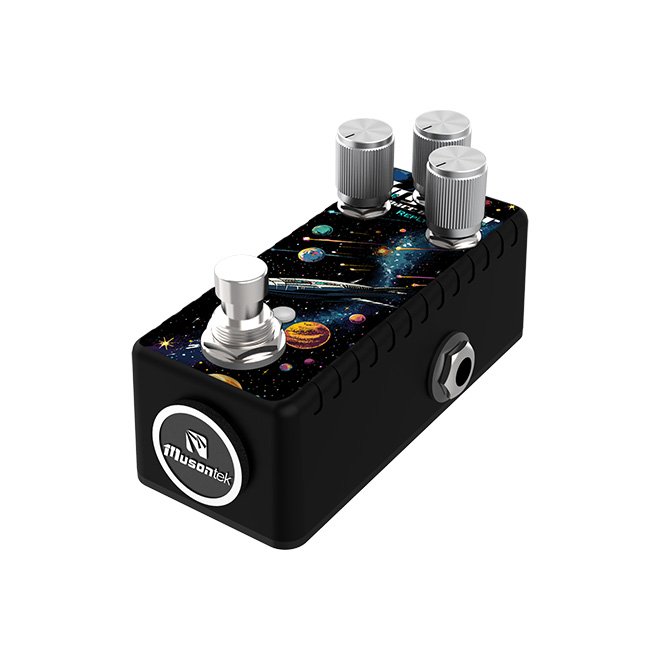
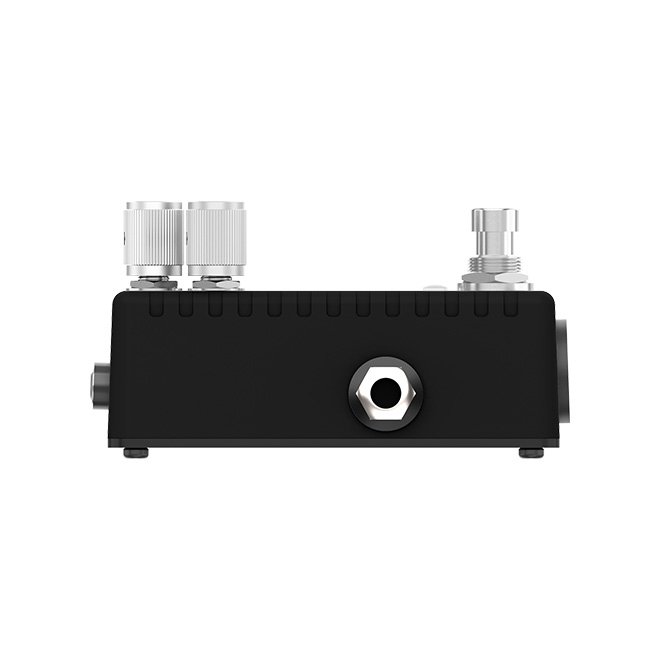
Consider the size and build quality of the pedal. A compact pedal saves space on your pedalboard. Durable construction means the pedal can handle travel and heavy use. Metal cases are usually more reliable than plastic ones. If you gig often, choose a pedal that is sturdy and easy to carry.
Additional Features:
Such as tap tempo, modulation, or a tone/color control.
Extra features can add value to a delay reverb pedal. For example, tap tempo lets you set the delay time by tapping a footswitch. This is very useful for syncing the delay with the song’s rhythm. Some pedals include modulation, which adds movement to the delay sound. Tone or color controls allow you to shape the brightness or warmth of the effect. These features give you more creative options.