Yes, bassists can use guitar effects pedals. Many bassists enjoy experimenting with these pedals to change their tone and express their own style. Effects pedals help them experiment with different playing styles during performances. The table below lists the reasons why bassists use guitar effects pedals:
| Reason | 说明 |
| Sound shaping | Effects pedals help players change their sound and make new tones. |
| Personal expression | Pedals let bassists show their style and mood for each song. |
| Performance versatility | Fast sound changes at live shows make the performance better. |
Understanding how guitar effects pedals change tone is crucial. Musicians should test whether effects pedals are suitable for their bass and observe how they affect the bass’s bass frequencies. Experimenting with different effects pedals can help bassists find their optimal tone and maintain clarity.
Guitar Effects Pedals and Bass Compatibility
How Guitar Effects Pedals Work with Bass
Most guitar effects pedals are safe to use with bass. These effects alter the bass signal and add effects such as distortion, chorus, or delay. Guitar effects are typically used to handle high-frequency tones. Bass effects are designed specifically for low-frequency and deep tones. The table below shows the differences between guitar and bass effects:
| 特点 | Guitar Effects Pedals | Bass-Specific Pedals |
| Optimization for Frequencies | Not made for bass sounds | Made for lower sounds |
| Sound Dynamics | Built for guitar sound changes | Focused on bass sound changes |
| 压缩 | Does not often have compression | Often has compression for deep sounds |
| Damage Prevention | Not made to stop damage from deep sounds | Helps stop damage from deep sounds |
Bass players use effects to change their tone. Many effects are suitable for bass. Some effects attenuate bass. Trying different effects helps musicians find the one that best suits their bass.
Common Issues with Low-End Frequencies
Bass players may encounter several issues when using guitar effects pedals to refine their bass tone. These issues can affect tone and performance. Here are some common problems:
- Low-frequency loss: Some effects pedals attenuate bass, making the sound thin.
- Mixiness: Excessive tone blending can make the bass tone muddy, especially in the mid-low frequencies.
- Uneven volume: Notes may sound uneven and inconsistent.
- Overly strong bass: Powerful bass notes may be too loud and difficult to blend with other tones.
- Power compatibility: Incorrect power supply or loose wiring can cause effects pedals to stop working.
Bass effects pedals can solve these problems. They maintain a strong and clear bass. Mixing knobs allow players to blend clean bass tones with effects, preserving the original tone. Adjusting equalizer settings can also make the sound clearer.
Tip: Players should test effects pedals before purchasing them to ensure they are suitable for their bass. This helps avoid unnecessary changes to the tone.
Types of Effects Pedals That Work Well
Some effects pedals are better suited for bass than others. These pedals add dynamics, depth, and personality to the tone while maintaining clarity. Here are some common types:
- Chorus Pedal: Adds dynamics, making the tone fuller. Suitable for clean and distorted tones.
- Octave Pedal: Creates new tones by adding higher or lower notes. Analog octave pedals can produce a rougher effect.
- Envelope Filter: Changes tone in unique ways. It works best when used in conjunction with other effects pedals.
- Overdrive and Distortion Pedals: Bassists use them to add texture and impact to the tone. Some guitar effects, such as the faz pedal, attenuate low frequencies, but the bass faz pedal maintains a strong low-frequency response.
- Multi-Effects Platform: Devices like the Valleton GP-200 and Darkglass Anagram offer amplifier analog and a variety of bass effects.
Experimenting with different effects pedals helps bassists find what works best for them. Players should start with fully functional pedals and then adjust the settings according to their playing style.
Bass Guitar Effects Pedals: Technical Considerations
Preserving Low-End and Tone
Bass players worry about losing depth and tone. Guitar effects can weaken the low frequencies, making the bass sound thin and weak. To maintain depth, musicians often use an equalizer at the end of the effects pedal. This ensures the integrity of the bass tone while allowing them to adjust the tone after applying other effects. Compression is also important; it adjusts the amp settings, eliminates hiss, and maintains the fullness of the bass tone.
A buffer lowers output impedance. It makes the weak guitar signal stronger. This helps the signal travel through long cables without losing tone.
Musicians often use both DI boxes and microphones simultaneously. They need to be mindful of phase issues, as phase problems can cause the loss of depth. Careful pedal placement and checks during setup help avoid these problems.
Avoiding Signal Loss
Signal loss affects bass tone, especially when using multiple effects pedals and long cables. Musicians use damper pedals like the 穆松泰克仲裁员 to maintain signal clarity. Damper pedals convert high impedance to low impedance, preventing tone loss. Compression keeps the bass tone stable and powerful. Isolated power supplies prevent interference between effects and maintain signal purity. True bypass circuits prevent noisy effects from affecting the signal when off. Isolators eliminate much of the hum from power supplies. Noise-free pickups eliminate noise at the source and reduce the likelihood of bass interference.
Buffers help stop high-end loss from many pedals and cables. They keep your main tone safe.
Musicians often use a DI signal after the last effect. This prevents large volume fluctuations when effects are on and maintains a stable bass tone.
Using Buffers and EQ Pedals
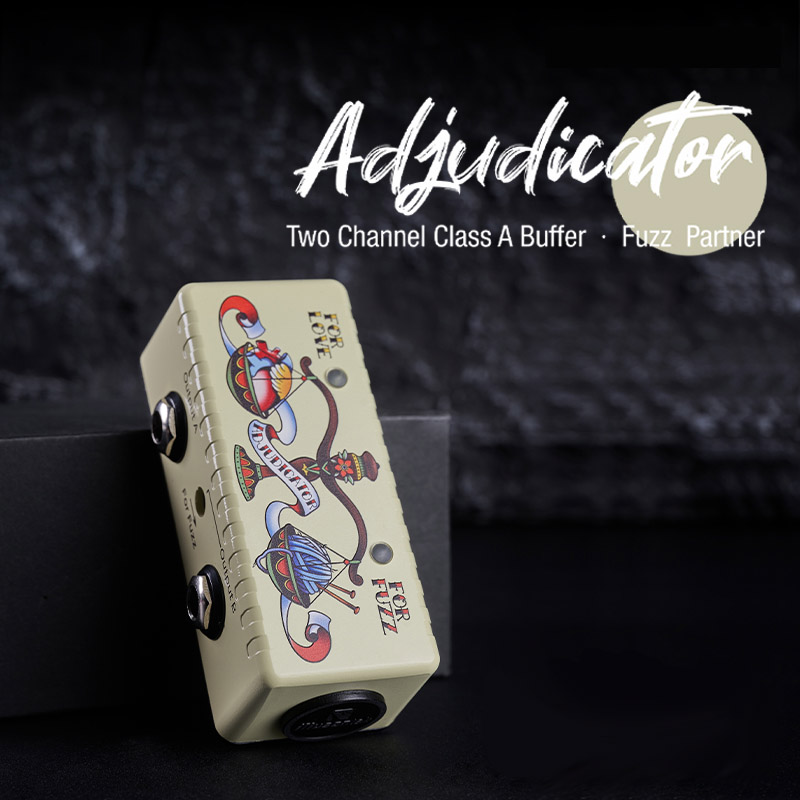
Damper and EQ pedals are essential for bassists who want to maintain tone. The Musontek Adjudicator buffer pedal amplifies the signal and maintains the clarity of the bass tone. It prevents tone loss caused by additional effects pedals and cables.
The buffer stops tone loss from added pedals and cables.
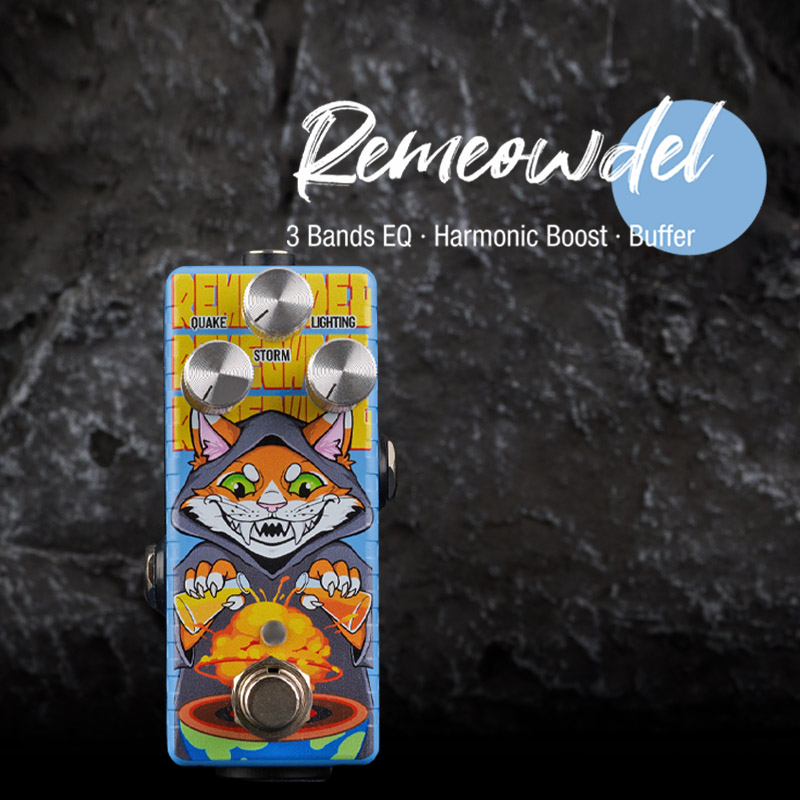
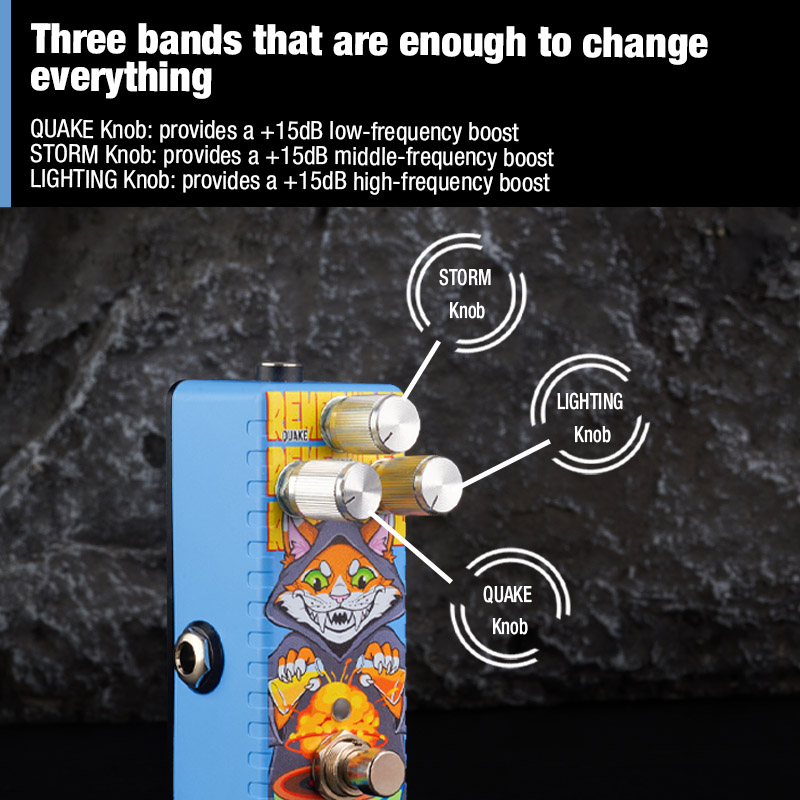
Equalizer pedals like the Musontek Remeowdel allow musicians to control specific frequency bands. They use equalizer pedals to boost or attenuate certain sounds. This is extremely useful for other guitar effects pedals. Placing the equalizer pedal last protects the low-frequency sound and allows musicians to adjust the tone after applying all effects.
- Equalizer pedals allow musicians to control bass, midrange, and treble.
- They help to make the sound clearer and stand out in the mix.
- Musicians use equalizer pedals to fix lost sound and achieve excellent tone.
Compression, true bypass, and high headroom input stages are also important. True bypass allows the raw signal to pass through when the pedal is off. High headroom maintains a clear and powerful tone, which is crucial for bass guitars.
- True bypass protects the bass signal.
- High headroom input stages maintain a clear and powerful tone.
- Compression keeps the volume stable and impactful.
Bass guitar effects pedals require careful setup and checking. The musicians will connect the effects pedals in the correct order, use the buffer and EQ pedals, and pay attention to signal loss. These steps help them maintain a stable tone and give the bass a full and powerful sound.
ChoosingGuitar Effects Pedals for Bass
Popular Effects Pedals for Bass
Bassists typically seek out stompboards that suit their style and needs. Many choose preamp stompboards and multi-effects pedals because these devices offer a rich selection of tones. Preamp stompboards help shape the tone, adding warmth or texture. Multi-effects pedals integrate multiple effects into one unit. These options make switching tones easy and convenient during performances or practice.
Tip: Using fewer stompboards makes the setup lighter and simpler. Some stompboards can emulate the tones of other effects, so musicians don’t need to carry too much equipment.
The table below shows important factors to consider when picking pedals for bass:
| 系数 | 说明 |
| Type of music | Different pedals fit different styles, like rock, funk, or jazz. |
| Quantity | Fewer pedals mean less weight and less gear to manage. |
| Size & Portability | Small pedals are easier to carry, especially with lots of gear. |
| Pedalboard | The pedalboard should fit all pedals and make them easy to use on stage. |
Example Settings and Tips
Bass players can use a variety of effects to shape their tone. The order in which effects are applied affects the final tone. Here is a common bass effects order:
- Waa/Filter
- 压缩
- 超速
- 调制
- Pitch Effect
- Delay
- Reverb
Placing waa and filter effects first helps maintain a wide and clear sound. Compression and overdrive effects follow to control harshness and maintain tonal balance. Modulation, pitch, delay, and reverb effects add space and dynamics. Players should experiment with different orders to find the best setup for their equipment.
Note: Dedicated bass drives keep the low end strong and help the bass stand out in a mix.
Notable Pedals Used by Bassists
Many professional bass players use a number of well-known effects to shape their equipment and tone. Some of the most popular choices include:
- Darkglass Microtubes B7K Ultra: Known for its powerful overdrive and crisp, modern tone.
- Boss TU-3 Chromatic Tuner: Trusted for its precise tuning and durability.
- Electro-Harmonix Bass Big Muff Pi: Known for its fazed tone and full bass.
- MXR M87 Bass Compressor: Used for a clean, balanced tone and easy control.
- SansAmp Bass Driver DI V2: Popular for its classic rock tone and DI functionality.
- Boss ODB-3 Bass Overdrive: Offers a wide drive range and powerful bass EQ.
These effects pedals help bassists create their own tone and adapt to different musical styles. Musicians can freely combine different equipment to find the configuration best suited to their music.
Practical Tips for Using Guitar Effects Pedals
Testing Before Buying
Bassists like to try out effects pedals before buying them. Trying them out allows them to hear how each effect affects the tone and check if it maintains a strong bass response. Many music stores allow musicians to bring their own bass and cables. Musicians can connect the equipment and listen carefully for any bass loss or additional noise.
Tip: Always test pedals with your own bass and amp. This shows how the pedal really changes your sound.
Building a Pedalboard for Bass
A neat effects board allows for quick setup and maintains a stable tone. Musicians should consider the type, size, and design of the effects board. The table below lists important considerations:
| Consideration | 说明 |
|---|---|
| Pedalboard Type | Pick a pedalboard that fits your needs. Think about how easy it is to carry and how strong it is. |
| Power Supply | Do not use daisy chains. Use a good power supply to stop noise and get the right voltage. |
| Size of Board | Choose the size based on how many pedals you want to use. |
| Amp Footswitch | Make sure there is room for any amp footswitches you need. |
| Cable Management | Use single cables for a clean look, or flat cables for easy setup. |
| Material and Design | Pick wood or metal, and designs that are easy to change and use. |
Musicians should plan the order of their effects pedals to ensure a stable tone. Placing buffered effects at the front helps maintain the strength of the bass signal. A good power supply effectively suppresses unwanted noise. Careful cable management keeps the effects board neat and ensures its proper function.
Troubleshooting Common Problems
Sometimes, bassists encounter problems with their effects pedals or effects boards. They can follow these steps to find and resolve the issue:
- Unplug all effects and connect the bass directly to the amp.
- Test with a good cable to check for cable problems.
- Inspect the amp and bass individually to pinpoint the problem.
- Reconnect the effects pedals one by one to identify the faulty pedal.
Players can also use the following techniques to troubleshoot common problems:
- Start by connecting a buffer to maintain a clear tone.
- Use a separate power supply for each effect pedal to prevent interference.
- Try using a true bypass circuit to isolate noisy effects from the signal.
- Add a noise gate to block background noise from high-gain effects.
Note: Regular checks and careful setup help keep the pedalboard working well and the tone steady.
Bass players use guitar effects to change their tone. They can use these effects to try new styles. It’s important to check if the effects can maintain a strong bass tone. The table below lists factors to consider when choosing effects:
| 系数 | 说明 |
|---|---|
| Sound Quality | The pedal should sound good and match the player’s style. |
| Reliability | Strong pedals last longer and work well on stage. |
| 多功能性 | Some pedals give many sounds for different music. |
| Ease of Use | Simple controls help players learn faster. |
| 价格 | Players should pick pedals that fit their budget. |
Trying different pedals helps bassists find cool tones. Versatile pedals let players be more creative. They make it easier to build a setup that fits their style.
常见问题
Will guitar effects pedals damage my bass?
Guitar effects pedals will not damage your bass; they will only change the tone. To ensure equipment safety, musicians should use appropriate power supplies and cables.
Why does my bass sound thin when paired with certain guitar effects pedals?
Some guitar effects pedals cut off low frequencies, resulting in a thin bass sound. Musicians can use an equalizer to boost the low frequencies, thus improving the tone.
Should the damper pedal be placed at the very front of the signal chain?
Putting the damper pedal at the very front of the signal chain works best. It keeps the bass signal strong and clear, especially when using multiple effects pedals or long cables.
What is the best way to test effects pedals?
Musicians should bring their own bass and amp to the store. Try different settings and listen carefully for any low-frequency loss or additional noise.