Buffer Guitar Effect

A buffer guitar effect is an essential device used by guitarists to maintain the integrity and clarity of their guitar signal, especially when using long cables or multiple effects pedals.
When a guitar signal travels through long cables or many pedals, it can lose high frequencies and volume due to cable capacitance and impedance mismatches. This results in a duller, weaker sound.
The buffer solves this by converting the high-impedance signal from the guitar to a low-impedance signal. It acts as a signal conditioner, preventing tone loss and preserving the original sound quality by matching the guitar’s high-impedance output to a low-impedance input, which is easier to drive through cables and pedals.
Buffers are often placed at the beginning of a pedal chain or at strategic points to maintain signal clarity. Unlike true bypass pedals that completely disconnect the signal when off, buffers keep the signal active, ensuring consistent tone and preventing the “tone suck” effect common in long pedal chains.

Key Benefits of Using a Buffer

Musontek Buffer Pedal: 仲裁员

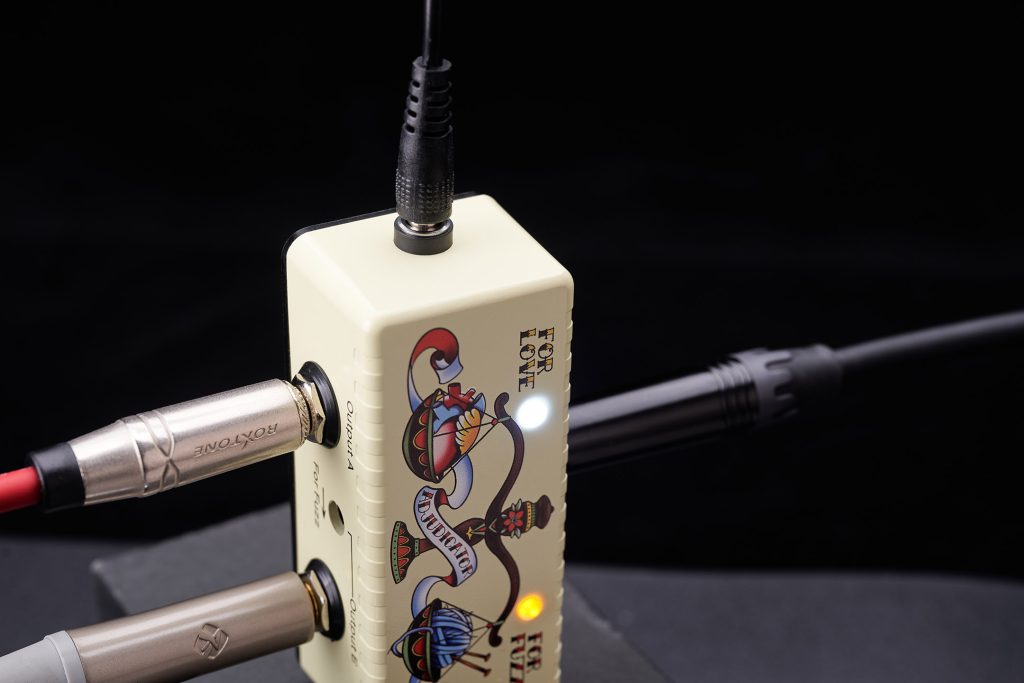
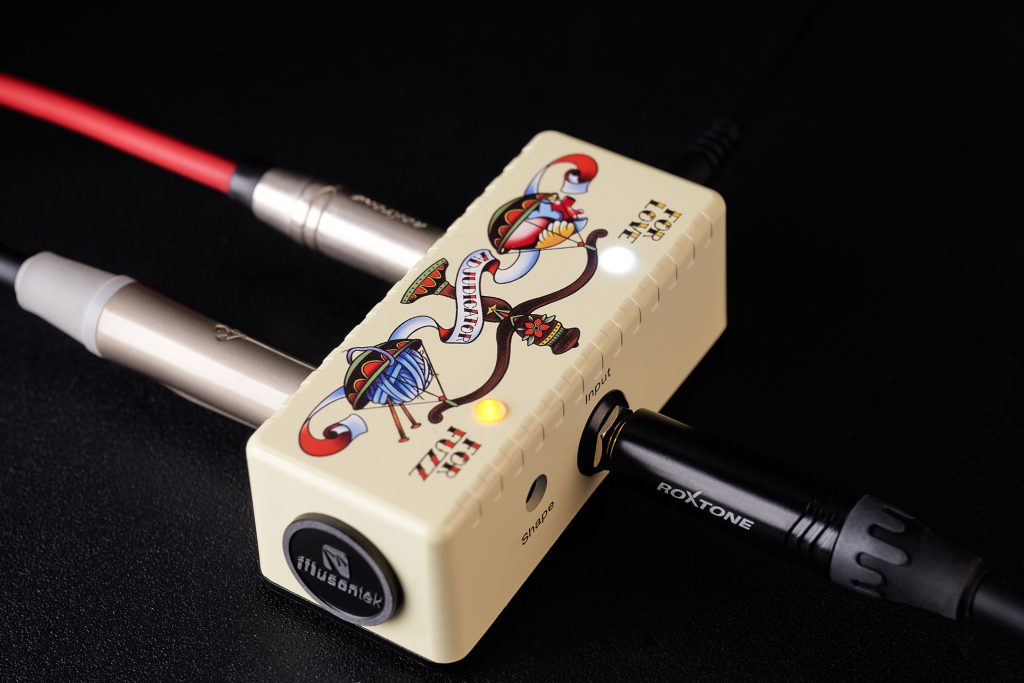
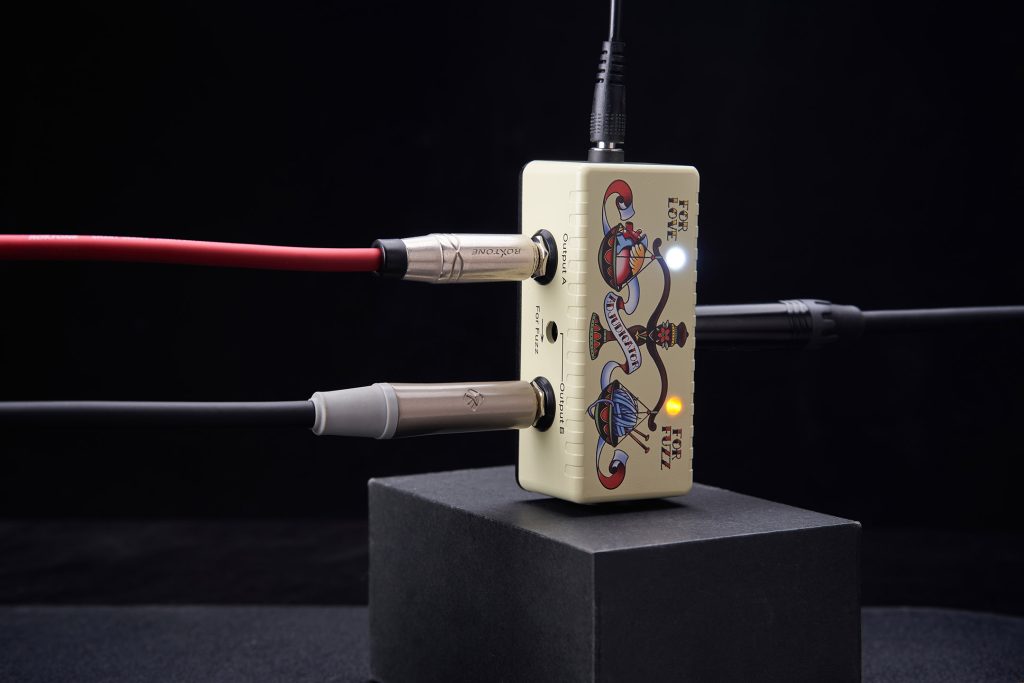
The Musontek Adjudicator Buffer Pedal is a high-quality solution designed to deliver superior signal preservation and tonal clarity. This pedal is a Class A buffer, known for its excellent sound fidelity and low noise.
Adjudicator is designed not only to buffer your guitar signal but also to serve as a partner for fuzz pedals, ensuring that the fuzz tone remains rich and articulate without signal degradation. The Adjudicator’s Class A design guarantees a warm, transparent sound with minimal coloration.

Features of Adjudicator Buffer Effects

Other pedals for buffer effect provided by Musontek

Musontek also offers a range of effect pedals that are designed to enhance and preserve your guitar ton. Each pedals delivers unique features while maintaining the integrity of your signal through high-quality buffering, ensuring your tone remains clear and vibrant throughout your signal chain.

GRRR 怪物

The GRRR Monster is a versatile pedal that combines multiple functions including buffering, boosting, DI (direct input), isolation, and cabinet simulation. The GRRR Monster provides a high-quality buffer that prevents signal loss and tone degradation. This is crucial for guitarists who want to keep their sound crisp and full, even after passing through multiple pedals or long cables.

粪便的力量

The Shit Power pedal is a clean boost effect that features a Class A discrete buffer circuit. Its purpose is to enhance guitar’s signal without coloring the tone, making it a perfect tool for maintaining signal integrity while adding volume and presence. The built-in Class A buffer ensures that the signal remains strong and clear. It prevents the typical tone loss that happens with long cables or multiple pedals.

EQ - Remeowdel

The Remeowdel is a high-quality equalizer pedal that also features advanced buffering technology. This ensures your guitar signal stays strong and consistent, preventing any loss caused by cable capacitance or the load from other pedals. The built-in buffer protects your tone from degradation, which often happens with EQ pedals that can weaken the signal over time, preserving your sound’s clarity and integrity.

成为 Musontek 经销商

Musontek 正在扩展其全球业务,并积极寻求全球合作伙伴和经销商。成为 Musontek 的经销商,您将获得不断增长的创新、高品质吉他效果踏板产品线,吸引各种水平的演奏者。Musontek 通过营销材料、有竞争力的价格和可靠的供应链为经销商提供支持。加入 Musontek 大家庭,为世界各地的音乐家带来卓越的音质和价值。

How to Choose the Right Buffer Guitar Effect

Choosing the right buffer guitar effect pedal is essential for preserving your guitar tone, especially if you use multiple pedals or long cables. A buffer pedal maintains the strength and clarity of your guitar’s signal by converting the high-impedance output of your guitar into a low-impedance signal. This prevents signal loss and preserves high frequencies that can get dulled by cable capacitance and multiple true bypass pedals.
Understand What a Buffer Does

A buffer pedal acts like a 1:1 amplifier for your signal, changing impedance rather than volume. It takes your guitar’s high-impedance signal (around 1M Ohm) and outputs a low-impedance signal (around 80-150 Ohms). This makes your signal less sensitive to tone loss caused by cables and pedals downstream.

Test If You Need a Buffer

A simple test is to play your guitar directly into your amp with a short cable, then play through your pedalboard with all pedals off. If the tone through the pedalboard sounds duller or weaker, a buffer might help restore the clarity and brightness you want.

Placement in Your Signal Chain

The best place to put a buffer is usually right after your guitar and before the first pedal. This ensures the signal is strong and low-impedance before hitting the rest of your pedals. However, fuzz pedals and some vintage-style effects with low input impedance should be placed before the buffer, as buffers can interfere with their tone and responsiveness.

Consider Your Pedalboard Size and Cable Length

If you have a large pedalboard with many true bypass pedals or use long cables, a buffer becomes more important. True bypass pedals do not buffer the signal, so the cumulative effect of many pedals and long cables can cause significant tone loss. Even if you don’t use many pedals, long cables alone can darken your tone, making a buffer beneficial.

Look for Transparency and Quality

A good buffer should not color your tone but preserve your original sound. Some buffers add warmth or character, but the best ones are transparent and maintain the natural tone of your guitar. Pedals from reputable brands or those praised for their transparency are preferable.

Additional Features

Some buffer pedals include extra functions like a tuner output or multiple buffers for different signal paths. If you want to save space, consider a buffer combined with other useful features like a tuner or splitter.

成为 Musontek

常见问题 关于 Buffer Guitar Effect

When do you need a buffer pedal

You need a buffer pedal when your guitar signal loses high-end tone due to long cables, many pedals, or pedals with low input impedance like fuzz or wah pedals. Buffers convert your guitar’s high impedance signal to a low impedance one, preserving your tone and preventing treble loss caused by cable capacitance and pedal loading. This is especially important if you use a large pedalboard with many true-bypass pedals, as they can weaken your signal. Placing a buffer at the start or end of your pedal chain helps maintain a strong, clear signal to your amp. However, avoid placing a buffer before fuzz pedals, as it can thin their sound. Usually, one or two buffers are enough; too many can add noise.
For a reliable option, consider the Musontek Buffer – Adjudicator. It effectively preserves your tone over long cable runs and complex pedal setups, ensuring your guitar sound stays bright and full.

A buffer pedal should generally be placed near the beginning of your pedal chain, right after your guitar and before your first true-bypass pedal or overdrive pedal. This placement helps restore your guitar’s signal strength and prevents tone loss caused by long cable runs or multiple true-bypass pedals.
However, fuzz pedals are an exception. They prefer a high-impedance signal, so you should place fuzz pedals before the buffer to avoid thinning out their tone.
If you have a long cable between your pedalboard and amp, placing a buffer at the end of the chain can also help maintain signal strength.
In summary, try placing the buffer right after your guitar and before overdrive pedals, but always keep fuzz pedals before the buffer. Experiment with placement to find what sounds best for your setup.

Yes, voltage does affect a buffer pedal. A buffer pedal is an electronic device used in guitar signal chains. It helps maintain the strength and quality of the guitar signal over long cable runs. Most buffer pedals are designed to work at a specific voltage, usually 9 volts. If the voltage is too low, the pedal may not work properly. The sound can become weak or distorted. If the voltage is too high, it can damage the pedal or cause unwanted noise. Some buffer pedals can accept a range of voltages, like 9 to 18 volts, which may change the pedal’s tone slightly. Using the correct power supply with the right voltage is important. This ensures the buffer pedal works well and keeps your guitar tone clear and strong. Always check the pedal’s manual for the recommended voltage before powering it.

A buffer pedal does not directly reduce noise like a noise gate or noise suppressor. Instead, it helps maintain the guitar signal’s strength and quality over long cable runs and many pedals. When you use long cables or many pedals, the guitar signal can lose high frequencies and become weak. This loss can make the sound dull and sometimes increase noise or hum.
A buffer pedal fixes this by converting the high-impedance signal from the guitar to a low-impedance signal. This keeps the tone clear and strong. Because the signal stays strong, it is less likely to pick up unwanted noise from cables and pedals. So, while a buffer pedal does not remove noise itself, it helps prevent noise caused by signal loss.