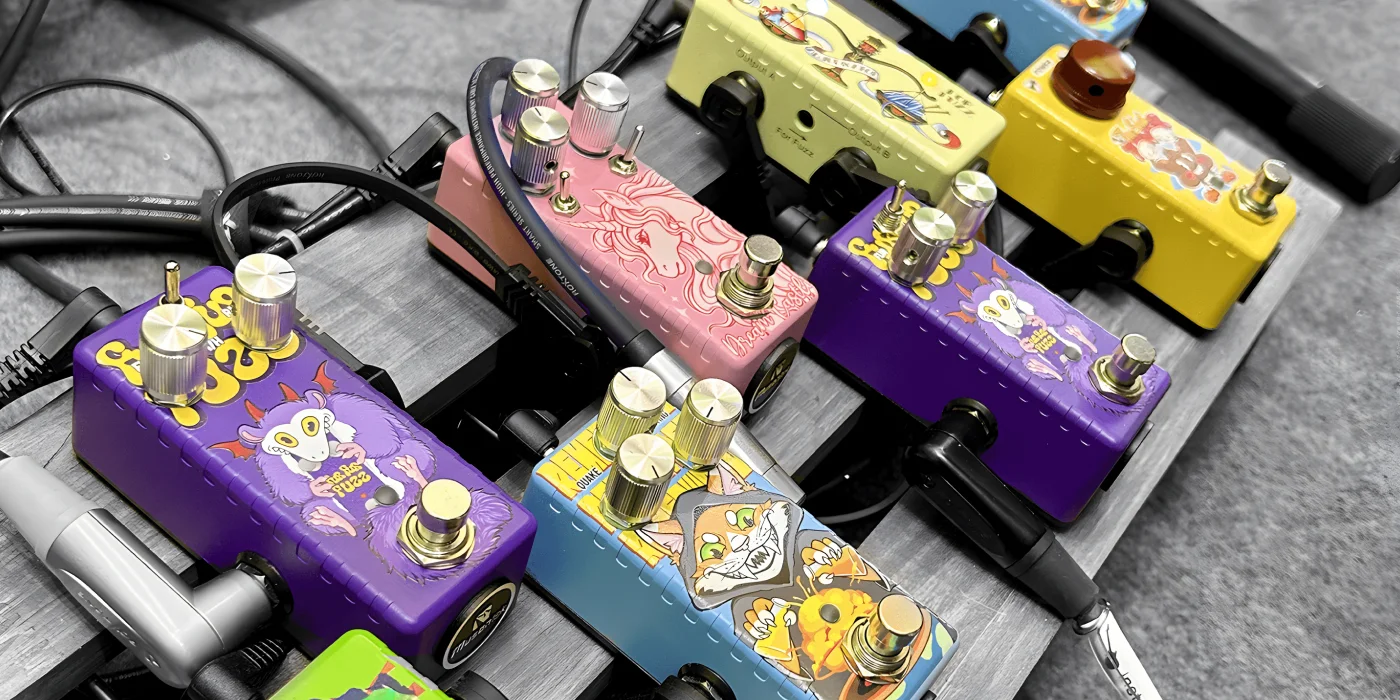
If you want your acoustic guitar to shine, the Musontek Boost Effect Pedal: The Shit Power stands out as a top pick. Acoustic guitarists often use a 增压效果踏板 to make solos louder, keep their sound clear, and avoid losing tone. Here’s why many players reach for a boost:
You get more volume for solos and rhythm parts.
Your sound stays clear, even with long cables.
It helps other pedals like a 压缩踏板, 失真超速踏板, or fuzz pedal work better.
Think about what you need in your sound and how you play to find the right pedal for you.
主要收获
A boost effect pedal makes your guitar louder. It does not change the guitar’s natural sound. This helps solos be heard better when you play.
Pick pedals that keep your guitar’s sound clear. Do not use pedals that make your sound messy or too electric.
Think about where you put pedals in the signal chain. This changes how they work together and how your guitar sounds.
Begin with a few basic pedals that fit how you play. Add more pedals slowly as you learn what you like.
Use good cables and a strong power supply for your pedals. This keeps your sound clean and stops unwanted noise. It also helps keep your tone the same.
Best acoustic guitar pedals overview
What makes a pedal best for acoustic
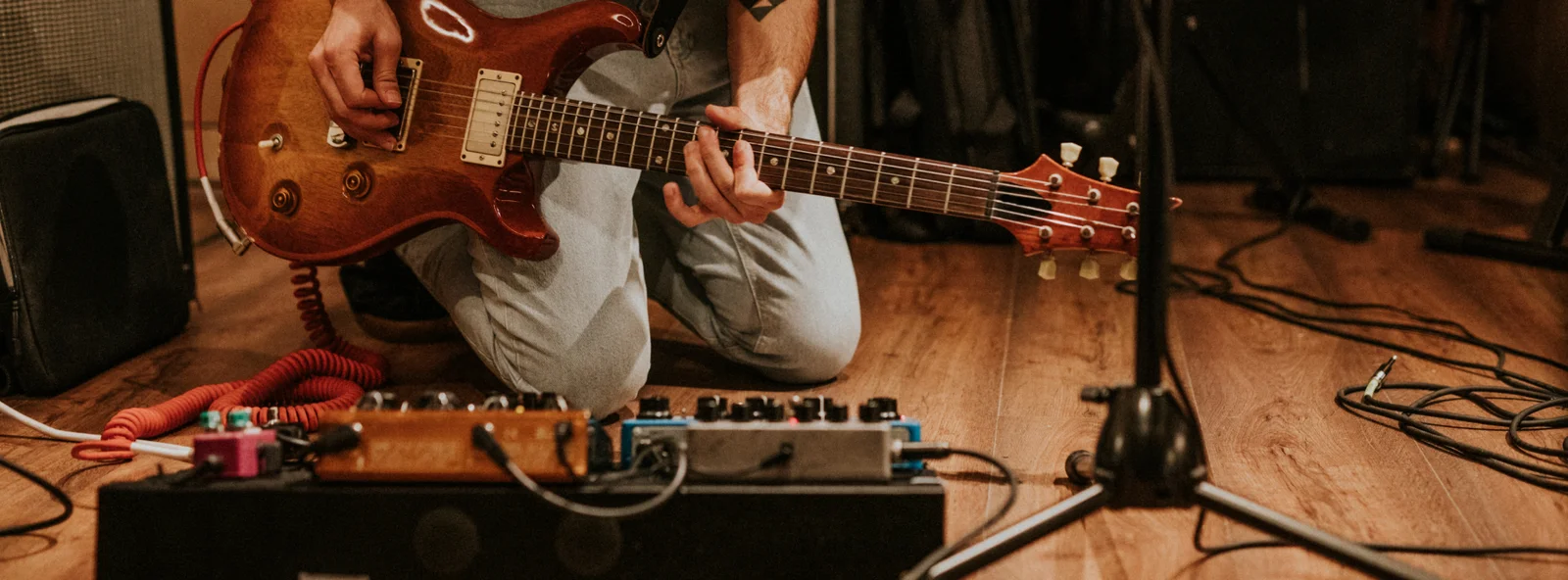
When you pick acoustic guitar pedals, you want your sound to be special. The right pedals keep your guitar’s natural tone clear. Some pedals can make your guitar sound muddy or too electric. The best ones keep your sound true and clear. You want pedals that add something cool but don’t change what makes your guitar unique.
Professional reviewers use a few things to choose the best pedals:
Types of effects like dynamic, gain-boosting, modulation, reverb, and delay
Where the pedal goes in your signal chain
How well the pedal works and its quality
Think about how each pedal fits with your other gear. Some pedals work best at the start of your chain. Others are better at the end. The best pedals help you play with confidence at home or on stage.
Key features to look for
You want pedals with features you will really use. The best pedals have options that make playing easier and your sound better. Here are features experts talk about most:
特点 | 说明 |
|---|---|
Compressor | Makes loud notes softer and soft notes louder for a smooth sound. |
Reverb | Adds echo so your guitar sounds like it’s in a bigger room. |
合唱 | Doubles and detunes your sound for a fuller, more interesting tone. |
Acoustic Preamps | Makes your guitar’s signal stronger and clearer when you plug it in. |
EQ Pedal | Lets you change your sound by adjusting bass, mids, and treble. |
Tip: Try pedals with easy controls first. It will be easier to find your favorite settings.
Today, there are new trends in acoustic guitar pedals. Makers mix digital tech with old analog styles. You can find more custom and eco-friendly pedals. Many players want small pedals for recording at home. Pedals that do many things and can be changed are also popular, so you can get gear that fits your style.
To get the most from your acoustic guitar, pick pedals that fit your needs. The best pedals help you sound great wherever you play.
Boost effect pedal for acoustic guitarists
How a boost effect pedal works
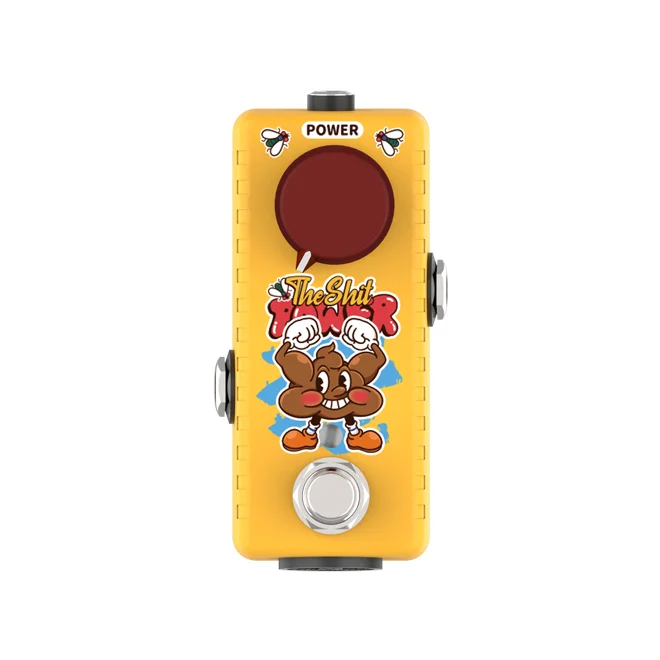
If you want your acoustic guitar to stand out, a boost effect pedal can help you do just that. This pedal sits in your signal chain and gives your sound a big lift. When you step on the pedal, it increases your guitar’s signal strength. You get more volume, but you also keep your tone clear and natural.
The Musontek The Shit Power Boost Effect Pedal makes this process simple. You only need to turn one knob to set your boost level. The pedal uses high-quality parts, so your sound stays clean and strong. You can pick between Vintage and Modern buffer modes. Vintage gives you a warm, classic sound. Modern keeps things crisp and clear.
Where you put the boost effect pedal in your setup changes how it works. If you place it at the front of your amp, it raises the gain and makes your guitar louder. This can also add a bit of character to your tone. Some players put the pedal at the end of their pedal chain for the cleanest boost. Others like it before overdrive pedals to get a thicker, more saturated sound.
Put the boost effect pedal at the end of your chain for a pure, clean volume lift.
Place it before overdrive pedals to add extra punch and grit to your sound.
You get to decide what works best for your style. Try different spots in your signal chain and listen to how your sound changes.
Benefits for acoustic performance
A boost effect pedal gives you more than just extra volume. It helps your acoustic guitar shine in many ways. When you play live, you often need your solos to cut through the mix. The boost makes sure your audience hears every note. You don’t have to worry about your sound getting lost, even if you use long cables or play with a full band.
The Musontek The Shit Power Boost Effect Pedal stands out because it keeps your tone true. You get up to 21dB of clean boost, so your guitar sounds bigger without losing its natural voice. The pedal’s low noise design means you won’t hear unwanted hiss or hum. This is great for both stage and studio use.
Here’s why many acoustic players love using a boost effect pedal:
You can make your solos louder with one tap.
Your sound stays clear, even with lots of other pedals.
The pedal helps your guitar work better with amps and other effects.
You get more control over your dynamics and expression.
The boost effect pedal lets you shape your sound for any song or venue.
If you want to take your acoustic playing to the next level, a boost effect pedal is a must-have. It gives you power, clarity, and confidence every time you play.
Comparing must-have guitar pedals for acoustic players
Musontek The Shit Power vs. other boost pedals
When you want a good pedal, you need one that makes your acoustic guitar louder and clear. Musontek The Shit Power Boost Effect Pedal is special because it gives up to 21dB of clean gain. You can pick Vintage or Modern buffer modes to get the sound you like. The pedal works with 9V to 18V power, so you have more space for loud sounds. Even if you turn up the volume, you will not hear much background noise.
Here’s a quick way to see how The Shit Power is different from other boost pedals:
特点 | Musontek The Shit Power | Other Boost Pedals |
|---|---|---|
Maximum Gain | 21dB | Usually 12-20dB |
Buffer Types | Vintage & Modern | Often single buffer |
Voltage Range | 9V to 18V | 9V |
Headroom | Tube-like | 标准 |
Background Noise | Extremely low | Low to moderate |
If you want your acoustic guitar to sound great, this pedal gives you control and a clear sound. Many players think it is one of the best pedals for playing live or recording in a studio.
Top alternatives: LR Baggs, Fishman, Boss, TC Electronic
You can pick from other brands when you look for must-have guitar pedals. LR Baggs, Fishman, Boss, and TC Electronic all make pedals that help your acoustic guitar sound better. Each brand has its own features and style.
Let’s compare LR Baggs Anthem and Fishman Sonitone EQ:
特点 | LR Baggs Anthem | Fishman Sonitone EQ |
|---|---|---|
类型 | TRU•MIC + Element pickup | Undersaddle pickup |
Preamp | Soundhole, many controls | Soundhole, simple controls |
Sound Quality | Warm, balanced, noise canceling | Straightforward, classic acoustic sound |
Customization | High, lots of options | Limited, easy to use |
Frequency Response | Full range, boosted low-end | Familiar, plugged-in tone |
Boss and TC Electronic pedals are also good choices for must-have guitar pedals. Boss pedals are strong and last a long time. TC Electronic pedals give you many effects in a small size. You can try different pedals to find what fits your style. Mix and match to help your acoustic guitar sound its best.
Tip: You do not need every pedal. Start with a few must-have guitar pedals and add more as you find out what you like.
How to choose acoustic guitar pedals
Matching pedals to your style
Picking the right acoustic guitar pedals starts with knowing your own style. Do you play at home, record in a studio, or perform on stage? Each place needs something different. If you record in a studio, you want pedals that shape your tone and give you control. Pedals like the JHS Colour Box or Warm Audio Pedal76 Compressor help you get a studio-quality sound. When you play live, you might want effects that make your sound bigger and more exciting. Modulation and time-based pedals can help your guitar stand out on stage.
Your guitar matters too. Some guitars sound bright, while others have a warm tone. You should pick pedals that match your guitar’s voice. Try different pedals and listen to how they change your sound. You might like a boost pedal for solos or an EQ pedal to shape your tone. Always think about what fits your music and your playing style.
Tip: Start with one or two pedals. Learn how they work with your guitar before adding more.
Compatibility and setup tips
Getting your pedals to work together can be tricky. You want your sound to stay clear and strong. Here are some tips to help you set up your acoustic guitar pedals:
Use a good power supply. Bad power can make your pedals noisy.
Pick short, high-quality cables. Long or cheap cables can make your sound dull.
Put your pedals in the right order. This helps you get the best tone.
Try stacking drive pedals in different ways. You can find new sounds.
Learn what each pedal can do. Don’t miss out on cool features.
Keep your gain low before delay pedals. Too much gain can make your sound messy.
Don’t use too many effects at once. Your tone can get crowded.
Practice more than you rely on pedals. Skills matter most.
You can also use special gear to keep your signal strong:
Try a reamp box to stop level drops and ground loops.
Connect pedals to a mixer’s line input for better control.
Use a passive attenuator or DI box to manage your signal.
Plug your pedals and amp into separate power strips to avoid hum.
If you follow these tips, your acoustic guitar pedals will sound better and last longer. You’ll get a clean, powerful tone every time you play.
Tips for using acoustic guitar pedals
Getting the best sound
You want your acoustic guitar to sound its best every time you play. Start by picking the right pedals for your setup. Delay and reverb pedals can add space and depth to your sound. Use these pedals lightly so your guitar still sounds natural. If you want more brightness, try increasing the treble on your EQ pedal. Lower the midrange a bit to keep things from getting muddy. Keep the bass moderate for a balanced tone.
Try using acoustic simulator pedals if you want to mimic the sound of different guitars. Chorus pedals can make your sound thicker and more vibrant. Reverb pedals help your notes ring out and feel like you are playing in a big room. You can also experiment with pedal order. Place your tuner pedal first for the cleanest signal. Put dynamic pedals, like compressors, early in the chain. This helps them work better.
Tip: Always listen to how each pedal changes your sound. Small tweaks can make a big difference.
Avoiding common mistakes
Many players use too many pedals at once. This can make your sound crowded and less clear. Stick to a few pedals that really help your music. Watch out for pedal order. The way you arrange pedals in your chain changes your tone. Gain pedals, like boost or overdrive, affect the pedals that come after them. Volume pedals work best after gain pedals. Buffers help keep your signal strong, especially if you use lots of pedals.
Here are some common mistakes to avoid:
Placing your tuner pedal anywhere but first.
Using too much reverb or delay, which can hide your guitar’s true sound.
Forgetting to check your cables and power supply.
Ignoring the effects loop on your amp for modulation, delay, and reverb pedals.
If you keep your setup simple and pay attention to pedal order, you will get a clear, powerful sound. Practice with your pedals and trust your ears. You will find the best setup for your style.
Musontek The Shit Power Boost Effect Pedal stands out for acoustic guitarists who want clean, powerful sound. Check out what makes it special:
特点 | 说明 |
|---|---|
清洁提升 | Up to 21dB gain with simple controls |
Tube-Like Feel | High headroom and dynamic response |
Low Noise | Quiet operation for live or studio use |
When you pick the right boost pedal and other effects, your guitar keeps its natural tone and opens up new creative options. Try different pedals and see how each one changes your sound. The right gear helps your guitar shine on any stage. 🎸
常见问题
What does a boost pedal do for my acoustic guitar?
A boost pedal makes your acoustic louder without changing your natural sound. You can use it to help your solos stand out or to keep your volume steady when you play with a band.
Can I use electric guitar pedals with my acoustic?
You can use electric guitar pedals with your acoustic. Some pedals work better than others. Try to pick pedals that keep your acoustic guitar tone clear and natural. Always listen to how each pedal changes your sound.
Where should I put a boost pedal in my acoustic pedal chain?
Most players put the boost pedal at the end of their pedal chain. This gives you a clean volume lift. You can also try it before other pedals to see how it changes your acoustic sound.
How do I keep my acoustic guitar tone clear when using pedals?
Use high-quality cables and a good power supply. Keep your pedal chain simple. Too many pedals can make your acoustic sound muddy. Always test your setup and listen for any changes in your acoustic guitar tone.
Do I need a special pedal for live acoustic shows?
A special pedal can help your acoustic sound better on stage. Look for pedals that boost your signal and keep your tone clear. Some pedals also help you control feedback and shape your sound for different venues.