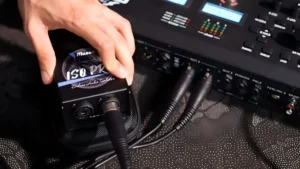
A line isolator keeps electrical circuits apart for safety. It stops unwanted current from moving where it should not. It does this by making a clear gap between contacts. This gap blocks electricity when needed. The device protects people and equipment from electric shocks. It also helps stop faults from happening. There are many types for different uses. Some examples are load break switches and isolating switches. Others include circuit breakers and earth switches. There are motorized isolators and pantograph isolators too. Rotary isolators and gas-insulated disconnectors are also used. Center break and double break disconnectors are other types. Ground Loop Isolation helps stop interference. It keeps the system working well.
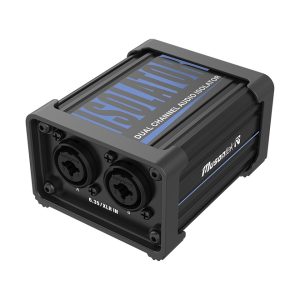
MusonTek also offers several isolator solutions designed for clean, noise-free audio systems. Their lineup includes the Двухканальный аудиоизолятор ISO PRO and the Двухканальный аудиоизолятор ISO2CКаждый из них обеспечивает эффективное изоляция контура заземления and signal clarity for different audio applications.
Основные выводы
-
Line isolators make a safe space in electrical circuits. They stop unwanted current from moving. This helps keep workers safe when fixing things.
-
There are different line isolators like mechanical and electrical types. They are used in many places. They help keep people safe at work and at home.
-
The visible gap in line isolators shows the circuit is safe. Workers can see it is okay to work. This lowers the chance of electric shock.
-
Line isolators work better with regular care and good setup. This helps them last longer and keeps safety strong.
-
Ground Loop Isolation devices keep signals clean in audio and data systems. They stop interference and protect equipment from harm.
Line Isolator Basics
Definition and Function of Line Isolator Basics
A line isolator is a safety tool in electrical systems. It keeps parts of a circuit apart so workers can fix things safely. Its main job is to disconnect equipment from power. This stops electricity from reaching places where repairs happen. Line isolators are very important in substations. They help keep equipment safe during maintenance and move loads safely. Air break switches are common examples. Some are vertical, and some are horizontal. Each kind needs different space and works in its own way. Disconnect switches are another type of isolator. They only work when there is no load. These switches can handle short-circuit currents for a short time. This helps keep workers safe during repairs.
Line isolators are not the same as other protection devices.
Isolators turn off circuits with low power, but circuit breakers handle bigger loads.
The main job of an isolator is to disconnect broken parts for safe fixing. Circuit breakers protect the whole system and can also switch things on or off.
Isolators are mostly used in factories for repairs. Circuit breakers are found in homes, businesses, and factories for switching and protection.
Isolators stop all electricity during repairs, making it safer for workers. Circuit breakers need trained people to use them.

Visible Gap Principle of Line Isolator Basics
The visible gap principle is key for line isolator safety. When the switch opens, it makes a clear air gap between contacts. This gap means the circuit is fully separated. Workers can see the gap, so they know it is safe. The air gap blocks electricity from passing through. This is very important during repairs or emergencies. It keeps workers safe from electric shock. The visible gap also helps with Ground Loop Isolation. It lowers interference and keeps the system working well.
-
Isolator switches make a clear air gap between contacts.
-
The gap keeps electricity from flowing.
-
The air gap shows that the circuit is safe for repairs.
-
It protects workers from electric shock.
How Line Isolators Work
Work by Rotating and Sliding Contacts
Line isolators use moving contacts to keep circuits apart. The contacts can turn or slide to make a gap. This gap stops electricity from going between circuit parts. It helps make sure everything is fully separated. Workers stay safe when fixing things. The turning part helps disconnect the circuit in a steady way. Many isolators are strong against bad weather. They do not need much care.
-
Turning or sliding contacts make a clear gap.
-
The gap stops electricity and keeps equipment safe.
-
The system lets workers turn off parts safely.
-
Some isolators need no upkeep and work in tough places.
Work by No-Load Operation
Line isolators must be used when there is no power. If someone opens the switch with power on, sparks can happen. Sparks can break equipment and hurt people. The isolator is made to make sure power is off first. This safety step helps stop accidents. It keeps the system working well.
Work by Electrical Isolation Mechanism
The isolation part in line isolators makes a real gap in the circuit. This gap is important for stopping leaks of electricity. The isolator has high resistance to keep power from escaping. The system keeps people and equipment safe from shocks. It also helps the system stay safe and work right. Sometimes, Ground Loop Isolation works with the isolator. It helps lower interference and keeps things steady.
Types of Line Isolators
Mechanical Isolators
Mechanical isolators work by moving parts to separate circuits. People often use their hands to turn handles or flip switches. These devices help workers turn off power before fixing things. Mechanical isolators come in different styles. Some are manual, some use motors, and some are semi-automatic. Each kind fits certain voltage levels and places.
|
Category |
Описание |
|---|---|
|
Manual Isolator Switch |
You use your hand to disconnect or connect circuits. It works best for low and medium voltage. |
|
Motorized Isolator Switch |
You can control it from far away. It is used in high-voltage systems for fast disconnection. |
|
Semi-Automatic Isolator Switch |
It mixes manual and motor use. It is good for switching often in automatic systems. |
|
Panel-Mounted Isolator Switch |
It goes in boards that control many circuits. It helps isolate more than one circuit. |
|
Wall-Mounted Isolator Switch |
It is put on walls for single devices. People use it a lot in homes. |
|
Free-Standing Isolator Switch |
It stands outside and works in tough weather. It is used for high-voltage lines. |
|
Low-Voltage Isolator Switch |
It works in systems up to 1000V. People use it in homes and small businesses. |
|
Medium-Voltage Isolator Switch |
It is found in systems from 1kV to 36kV. Factories use it for power networks. |
|
High-Voltage Isolator Switch |
It fits systems above 36kV. It is used in big power stations. |
|
Single-Pole Isolator Switch |
It breaks one wire. It is used in single-phase circuits. |
|
Double-Pole Isolator Switch |
It disconnects both live and neutral wires. It is good for home power isolation. |
|
Three-Pole Isolator Switch |
It is used for three-phase circuits. It helps fix big machines. |
|
Four-Pole Isolator Switch |
It connects and disconnects three-phase power and the neutral wire at the same time. |
Electrical Isolators
Electrical isolators use electronic parts to keep circuits apart. These devices protect important equipment from high voltage and surges. Optocoupler isolation is used a lot. It uses light to send signals between circuits. This keeps them separate. Opto-isolators block high voltage and stop ground loops. They follow strict safety rules like IEC and UL.
-
Optocoupler isolation keeps devices safe from surges.
-
These isolators stop ground loops and keep signals clean.
-
Electrical isolators are used in control panels and automatic systems.
Устройства изоляции контура заземления
Ground Loop Isolation devices stop unwanted current between equipment. They use special transformers to keep input and output signals apart. This breaks ground loops and lowers noise. Some devices lift the ground by themselves. This helps stop interference. Studio-grade transformers keep audio signals clear and strong.
|
Характеристика |
Описание |
|---|---|
|
Физическая изоляция сигналов |
Uses good transformers to keep input and output signals apart. This breaks ground loops. |
|
Режим самоподъемного грунта |
Lifts the ground connection by itself to stop noise. You do not need to do it by hand. |
|
Изолирующие трансформаторы студийного класса |
Keeps audio signals clear. Handles big signals without changing them. It lasts a long time. |
Ground Loop Isolation is important in audio and data systems. It keeps signals clear and protects equipment from harm. Many industries use Ground Loop Isolation to keep things working well.

Applications and Safety of Line Isolator
Industrial and Residential Uses
Line isolators are important in factories and homes. They help keep workers and equipment safe during repairs or emergencies. The table below lists where line isolators are used:
|
Приложение |
Описание |
|---|---|
|
High Voltage Transmission Lines |
Used for safe disconnection during repairs or emergencies. They help find and fix faults. |
|
Substations |
Separate transformers and circuit breakers for safe repairs. This does not stop the whole substation. |
|
Industrial Applications |
Disconnect machines from power for safe repairs. This stops electric shocks. |
|
Renewable Energy Systems |
Separate parts for safe work while making power. This lowers electrical risks. |
|
Railway Electrification Systems |
Disconnect sections for repairs without stopping trains. This keeps workers safe. |
Line isolators also make homes and small businesses safer.
-
They show a clear break in the circuit so workers know it is safe to fix things.
-
Isolators stop electrical dangers by cutting off power to equipment.
-
Many isolators get rid of leftover current before work starts.
-
The visible gap helps workers feel sure the area is safe.
-
Locks keep the isolator from turning on by accident.
Ground Loop Isolation devices are used in audio and data systems. They stop unwanted current and keep signals clean.
Safety Guidelines for Line Isolator
Installing and using line isolators the right way keeps people and things safe.
-
Put the d.c. isolator on a surface that does not burn.
-
Use a barrier that does not burn if the surface can catch fire. The barrier should be 200mm bigger than the isolator on all sides.
-
Use fireproof sealant for holes bigger than 5mm.
-
Keep the IP66 rating to stop water from getting in.
-
Follow safety rules like AS/NZS 5033:2021 and AS 60947.3:2018.
-
Register all DC isolators with EESS.
-
Check the polarity before turning on the circuit.
Regular checks help find cracks, rust, or loose parts. Testing for good connections and cleaning the isolator stops problems and keeps things safe.
Operational Best Practices
Operators can make line isolators last longer and work better by following good steps.
|
Step |
Описание |
|---|---|
|
Clean the Housing Thoroughly |
Make sure the shaft and housing are clean and not damaged before installing. |
|
Check for Alignment |
Good alignment stops parts from wearing out and keeps seals working. |
|
Use the Right Type for Your Application |
Pick the isolator that fits the place, like wet or chemical areas. |
|
Follow Manufacturer Guidelines |
Always use and install the isolator as the maker says. |
-
Regular checks find problems like cracks or rust.
-
Cleaning dust and dirt stops flashovers and keeps the isolator working well.
-
Checking mechanical isolators for worn parts makes sure they work right.
Tip: Keeping line isolators clean and lined up helps stop electrical trouble and makes them last longer.
Line isolators help keep people safe. They disconnect circuits from power sources. This separation stops electric shocks. It also stops machines from turning on by accident. Picking the right isolator protects equipment from spikes and noise. This makes the system work better. Operators should think about what equipment needs. They should look at where the isolator will go. They should check the environment too. New isolators can be controlled from far away. Some have smart features.
-
Visual indicators help show if the circuit is safe.
-
Locks stop the isolator from closing by mistake.
-
International rules help make isolators safe to use.

ЧАСТО ЗАДАВАЕМЫЕ ВОПРОСЫ
What is the main purpose of a line isolator?
A line isolator keeps circuits apart to keep people safe. It makes a gap that stops electricity from moving. Workers use it to stay safe when fixing things.
Can a line isolator switch off a circuit under load?
A line isolator cannot turn off a circuit with power on. It only works when no current is flowing. Turning it off with power can cause sparks or harm.
Where do people use line isolators most often?
Line isolators are used in substations, factories, and homes. They help disconnect equipment so repairs can be done safely. These devices also protect systems from problems.
How does a visible gap improve safety?
A visible gap shows workers the circuit is open. This clear space stops electric shock. It helps workers feel sure repairs can begin safely.
What types of line isolators exist?
There are mechanical, electrical, and ground loop isolation devices. Each kind is made for different jobs. Some have moving parts, and some use electronic pieces.