
Most bassists include an equalizer (EQ) in their bass effects chain, typically placing it after the compressor and before the modulation effect. This placement allows the EQ to adjust the tone and control frequencies before other effects alter the signal. Musontek’s Remeowdel and Монстр GRRR offer powerful tools, including advanced EQ features, to enhance tone and achieve greater clarity. Different effects combinations produce unique effects, so musicians should experiment with different EQ placements to find their preferred tone.
Основные выводы
- Placing the equalizer (EQ) after the compressor changes the tone. This doesn’t affect volume control. You can easily adjust specific frequencies this way.
- Placing the EQ before the modulation effect makes the sound crisp and powerful. This helps the modulation pedal get a good signal.
- Experiment with different EQ positions to find new tones. Each position can have a significant impact on the tone.
- Using two EQ pedals gives you greater control. You can place one before the distortion effect and the other at the end of the effects chain. This allows you to shape the tone in many ways.
- Listen carefully when adjusting EQ settings. Use your ear to choose the tone that best suits your playing style and the playing environment.
Standard Placement of EQ in Bass Pedal Chain
EQ After Compression
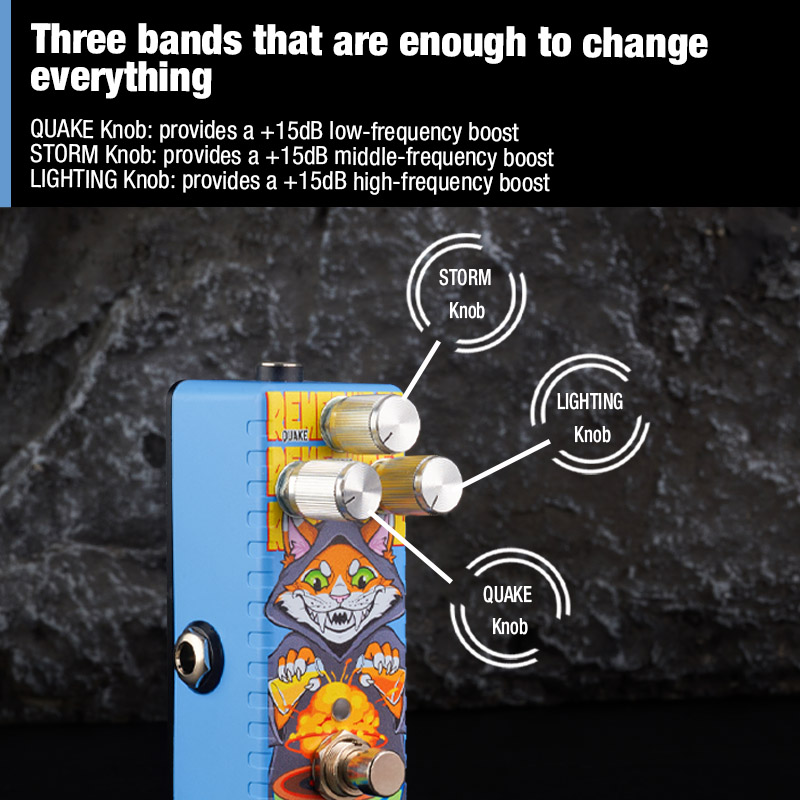
Many bassists place the equalizer (EQ) after the compressor in their bass effects chain. The compressor’s role is to maintain a stable volume. Using an EQ after the compressor allows you to change the tone without affecting the compressor itself. This placement allows you to easily boost or reduce certain frequencies. For example, you can boost the bass for a fuller tone, or reduce sharp treble for a smoother tone. The Musontek Remeowdel features a three-band EQ, each band boosting up to +15 dB. This allows musicians to easily change the tone whether playing live or recording.
EQ Before Modulation Effects
The EQ in a bass effects chain is typically placed before modulation effects such as chorus, flanger, or phase effects. Modulation effects can change the tone and add cool effects. Placing the EQ before these effects pre-shapes the tone. This provides a clear and stable signal to the modulation effects, improving their sound quality. Musicians can also emphasize certain frequencies. This allows you to enhance or weaken the modulation effect as needed.
Typical Chain Order
Most guides show common bass effects chain orders. The table below shows common effects arrangements:
| Order | Category |
| 1 | Динамика |
| 2 | Filters & Shifters |
| 3 | Gain |
| 4 | Модуляция |
| 5 | Time |
Bassists use this order to maintain a clear and powerful tone. Dynamic effects (such as compressors) are placed first. Filters and shifts (including EQs in bass effects) are placed next. Gain effects (such as overdrive or distortion) are placed last. Modulation effects are placed later, and time effects (such as delay and reverb) are placed last. This order helps each effect perform at its best.
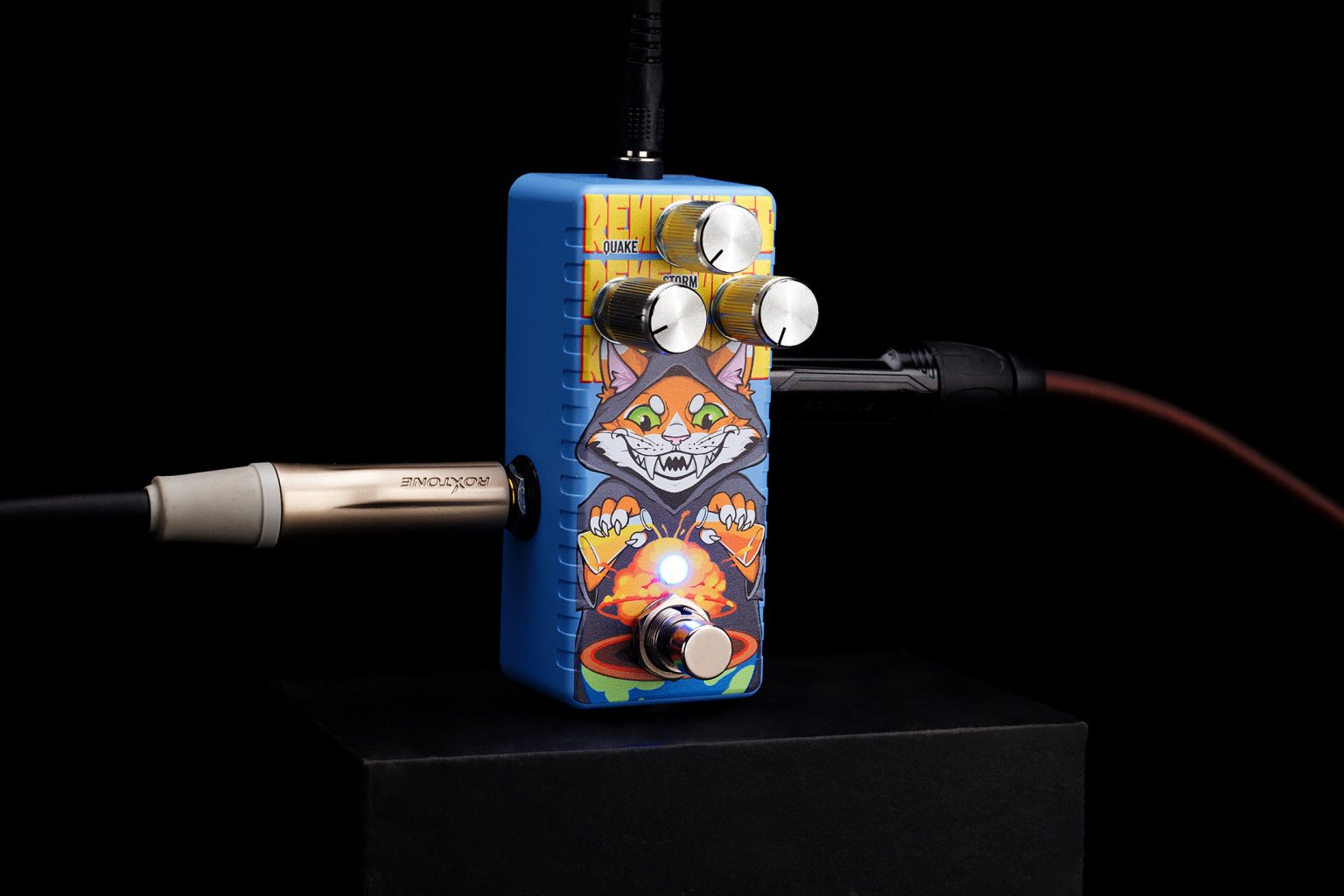
Tip: The Musontek Remeowdel is an EQ effect that is very suitable for this setup. It has three frequency bands and can provide a significant boost, making it easy to get the tone you want. You can place it in different positions, but placing it after the compressor and before the modulation gives you the most control.
How EQ in Bass Pedal Chain Affects Tone
EQ Before Compressor
Placing an equalizer before the compressor in a bass effects chain changes how the compressor works. The equalizer alters the sound first. If you turn up the volume of certain notes, the compressor will react to those notes. For example, boosting bass will cause the compressor to process them more forcefully. This can make the bass sound tighter and more controlled. Adjusting the midrange before compression helps to highlight the bass tone.
Note: Using an equalizer before the compressor in a bass effects chain can help musicians choose which notes need more compression. This setting is suitable for bassists who want to change the tone before controlling the volume.
EQ After Overdrive or Fuzz
Many bassists place the equalizer after overdrive or faz. This allows the equalizer to recover lost notes and shape the sound after distortion. Musicians typically turn up the volume of notes around 800 Hz to 1.5 kHz. This helps to highlight distortion effects and maintain the clarity of the bass and drums. Adjusting the equalizer after distortion helps the bass blend better into the mix. It also preserves overdrive or distorted tones. The Musontek GRRR Monster helps musicians easily adjust tone after distortion.
- Recover notes lost after distortion or overdrive.
- Boost midrange for a clearer mix.
- Blend the bass better with the drums.
- Preserve distorted or overdrive tones.
EQ at Chain End
Some musicians place the equalizer at the end of the bass effects chain. This position allows for final adjustments before the sound enters the amp or recorder. It allows musicians to make final fine-tuning of the tone. For example, boosting high frequencies can increase brightness. Cutting low frequencies can make the sound clearer.
| Размещение | Выгода | Scenario Example |
|---|---|---|
| Before Compressor | Picks which notes get compressed | Making mids louder for clarity |
| After Overdrive | Brings back and shapes sound after distortion | Making mids louder for mix |
| Chain End | Last tone change | Changing sound for venue |
Tip: Experiment with different equalizers at different points on the bass effect pedal to find the tone that best suits you. Pay attention to changes in clarity, impact, and presence.
Creative EQ Placements
EQ First in Chain
Some bassists place the equalizer (EQ) at the very top of their bass effects pedals. This allows them to adjust the tone before any other effects. The musician can instantly boost or reduce the volume of certain notes. For example, boosting the midrange before compression helps to highlight the bass tone. Cutting off sharp high frequencies early prevents subsequent noise. This setup is ideal for musicians who want to control the tone from the very beginning. It’s also helpful when switching between different basses on stage.
Dual EQ Pedals
Using two EQ pedals in series provides finer control. One EQ can be placed before distortion, and the other after. This allows the musician to shape the tone at different times. The musician can use two 10-band EQs, boosting or attenuating each band by 15 dB. They can also set the pedals to stereo, parallel, or series modes for more options. Insert functionality allows them to use other effects before or after the EQ. Adjustable frequency center helps adapt to different instruments. Live panel settings allow saving favorite tones for quick use during performances.
| Характеристика | Описание |
| Dual 10-band EQs | Lots of control with 15 dB boost or cut per band |
| Flexible Signal Flow | Use in stereo, parallel, or series |
| Insert Function | Add effects before or after EQ |
| Adjustable Frequency | Works well with many instruments |
| Real-time Settings | Save favorite sounds for fast changes |
Experimental Setups
Bassists experiment with new settings to find a unique tone. They adjust pickup balance and equalizer settings according to different musical styles. For example, using only neck pickups, lowering the high frequencies and boosting the mid frequencies, can produce a classic rock tone. Adjusting the pickup balance to half and lowering the high frequencies is suitable for reggae and dance music. The Musontek GRRR Monster can help with more advanced tone adjustments. During recording, musicians use cabinet simulation to achieve an amplifier-like tone. Fine-tuning the equalizer helps control the low and mid frequencies while maintaining clear treble.
| EQ Setup Description | Ideal Use Cases |
| Neck pickup solo, slight treble cut and mid boost | Classic P sound for rock rehearsals |
| Neck pickup & front bridge coils balanced, treble cut | Sub bass for reggae, R&B, dance |
| Back bridge coils at 75% balance, slight treble boost | Good solo tone |
| Humbucker at 75% with slight treble & bass boost | StingRay tone |
| Pickup balance with slight mid boost | Classic J finger style sound |
Tip: Experimenting with different bass effects positions and settings can help you find new tones. The Musontek GRRR Monster has some special features for creative setups.
Practical Pedal Chain Examples
Standard Example with EQ
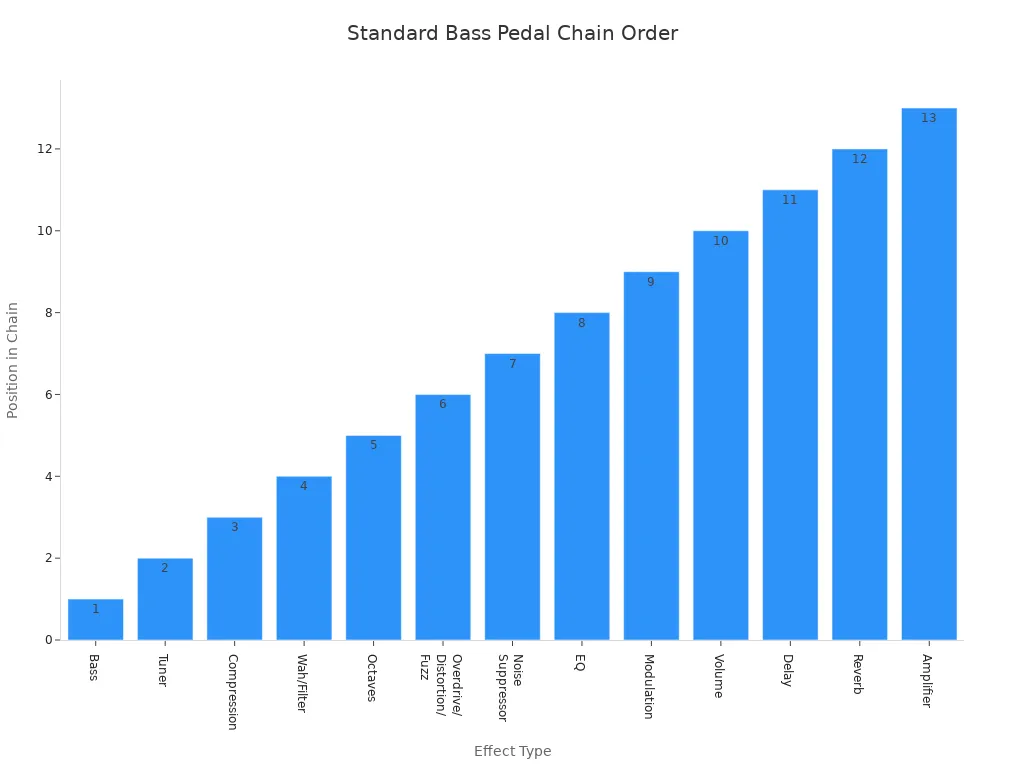
Many bassists use common effects chain sequences. In this setup, the EQ is placed after distortion and before modulation. The Musontek Remeowdel effect is perfectly suited for this position. Players can adjust the tone after the gain effect and before the time effect. The table below shows a commonly used effect sequence:
| Тип эффекта | Position in Chain |
| Bass | 1 |
| Тюнер | 2 |
| Компрессия | 3 |
| Wah/Filter | 4 |
| Octaves | 5 |
| Overdrive/Distortion/Fuzz | 6 |
| Noise Suppressor | 7 |
| EQ | 8 |
| Модуляция | 9 |
| Объем | 10 |
| Delay | 11 |
| Reverb | 12 |
| Усилитель | 13 |
This sequence helps maintain a clear and balanced sound. The Remeowdel effect allows players to boost the midrange or attenuate sharp high frequencies for a smoother tone.
EQ Before Distortion Example
Some musicians install an equalizer (EQ) on the bass pedal before the distortion effect. This allows them to adjust the signal before it reaches the gain pedal. Boosting the low or mid frequencies before the distortion effect can make the sound thicker or more impactful. The Musontek Remeowdel is well-suited for this setup. It allows musicians to choose which notes need more drive. This setup can result in a stronger, clearer tone.
EQ at End Example
Placing the EQ at the end of an effects chain allows musicians to control the final sound. The Musontek GRRR Monster is very useful in this regard. Musicians can adjust the overall tone before the signal reaches the amp or mixing console. This is extremely useful for live performances or recordings. It can help correct problems caused by the room or other effects. Musicians can add brightness or eliminate muddiness as a final step.
Sound Results Comparison
- The EQ shapes the entire signal in advance and changes how other effects work.
- Placing the EQ after the distortion effect helps recover lost notes and softens a rough sound.
- Placing the EQ at the end of an effects chain allows musicians to make final adjustments for optimal tone.
Musicians should experiment with different settings to find what works best for them. Musontek Remeowdel and GRRR Monster offer a wide range of effects chains.
Tips for EQ Experimentation
Testing Different Placements
Bassists like to experiment with different EQ pedal positions. They might place the EQ pedal at the very beginning of the effects chain. This allows the pedal to change the tone directly from the pickup, adjusting the signal before any other effects. Placing the EQ after overdrive or distortion can improve muddy low frequencies or harshness. This position also helps recover lost midrange frequencies. Musontek Remeowdel and GRRR Monster make moving the pedal very easy. Musicians can discover new tones by changing the pedal’s position.
- Place the EQ at the very beginning to change the basic tone.
- Place the EQ after distortion for a cleaner tone.
- Move the pedal to a new position for unique effects.
Tip: Musontek pedals are easy to move and test. Musicians can quickly switch positions and listen to changes in tone.
Listening for Tonal Changes
Bass players need to listen carefully when adjusting equalizer settings. They should pay attention to the effect of each adjustment on the sound. Playing familiar songs helps them find the right tone. Listening with your ears is better than just staring at the knobs. This is how you find the sound that suits you best. Musontek effects pedals allow them to easily hear subtle changes in sound.
- Listen carefully to changes in sound after each adjustment.
- Play songs you like to check the tone.
- Trust your ears, not just the settings.
Note: Musicians should record short audio clips and listen back. This helps them find the optimal settings.
Adapting for Genre or Venue
Bass players will adjust equalizer settings according to different music styles or venues. If the ceiling is low, they may lower the high frequencies to avoid harshness. If the ceiling is high, they may boost the high frequencies to avoid drowning out the sound. Hard walls make the sound last longer, so musicians will use equalizers to maintain clarity. Soft walls absorb sound, necessitating different EQ settings. It’s powerful. Musontek effects pedals allow players to quickly adjust settings, proving incredibly useful in any situation.
- Lower high frequencies under low ceilings; boost high frequencies under high ceilings.
- Adjust the EQ depending on whether the walls are hard or soft.
- Adjust the gain and EQ depending on the number of people.
Tip: Musontek Remeowdel and GRRR Monster can help bassists quickly change tone to suit any musical style and room environment.
Experts recommend that in a bass effects chain, the EQ should be placed before or after the distortion effect. Placing it before will affect the tone of all subsequent effects. Placing it after the distortion effect helps control the tone before modulation. Each position changes the final bass tone. You should experiment with different settings to find your favorite.
- Lowering the high frequencies achieves a classic tone.
- Boosting the midrange adds punch.
- Cut-down the midrange is great for slap bass.
Musontek Remeowdel and GRRR Monster can help you find new tones. They work well both on stage and in the studio. Add more effects, and you can use these techniques again for even better results.
| Характеристика | Описание |
| Versatile Sound Control | Lets you switch sounds fast and play better anywhere. |
| Tone Adjustment | Helps you change your tone for different places, which is important for live shows. |
| Качество сигнала | Keeps your sound clean and strong, which is needed for shows and recording. |
| Дополнительные функции | Has boost, DI, and cabinet simulation for more ways to shape your sound. |
ЧАСТО ЗАДАВАЕМЫЕ ВОПРОСЫ
Where should a bassist place their equalizer (EQ) in their effects chain?
Most bassists place their EQ after the compressor and before the modulation. This helps shape the tone and maintain clarity. Players can experiment with different placements to find the setting that best suits their style.
Can a player use multiple EQs in their effects chain?
Yes, a player can use two EQs. One can be placed before distortion, and the other at the end of the effects chain. This setup allows for better control of the sound at different points in the effects chain.
What are the advantages of the Musontek Remeowdel EQ?
The Musontek Remeowdel offers a three-band EQ with up to 15 dB boost per band. This effect uses analog circuitry for a clear sound. It works well in multiple positions in the effects chain.
How does EQ placement affect the sound of a live performance?
EQ placement affects the bass’s tone on stage. Placing the EQ at the end of the effects chain helps adjust the acoustics of the room. Musicians can quickly correct muddy or harsh tones during a performance.