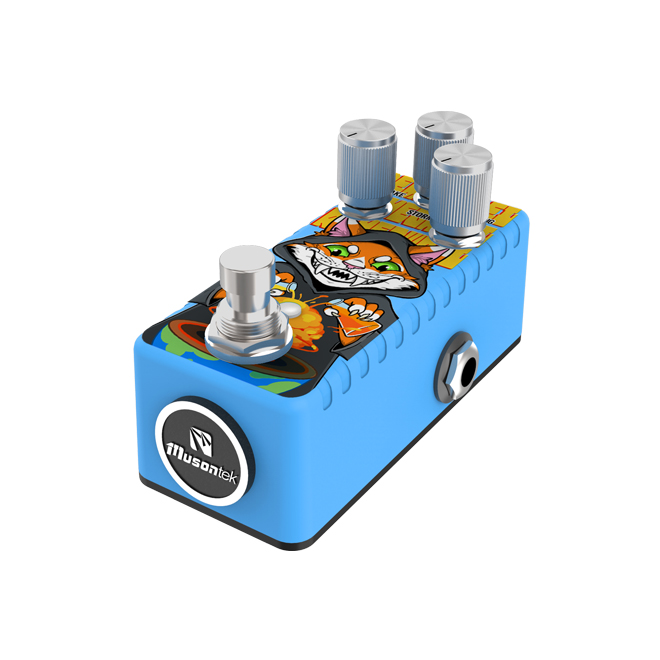
Most guitarists place the Pedal de equalização after the overdrive pedal. This helps them adjust the tone before the signal reaches the amplifier. Pedal placement is crucial as it affects the guitar’s tone. Some guitarists place the EQ pedal before the overdrive pedal or in the effects circuit. This helps them achieve different tones. There is no single best position for everyone. Each guitarist should experiment with different positions and listen carefully to find the setting that suits them best.
Principais conclusões
- Most guitarists place the EQ pedal after the overdrive pedal. This helps shape the tone before the signal reaches the amplifier.
- Experimenting with different EQ pedal positions can help guitarists find new tones and improve the overall tone.
- Placing the EQ pedal before the overdrive pedal allows for better control over distortion and can also make the tone warmer.
- Placing the EQ pedal in the effects circuit allows you to adjust the tone after the preamp. This can correct some undesirable frequencies without changing the amplifier’s main tone.
- Listen carefully to the changes in tone as you move the EQ pedal. This helps you find the setting that best suits your playing style.
EQ Pedal Placement Basics
After Drive Pedals
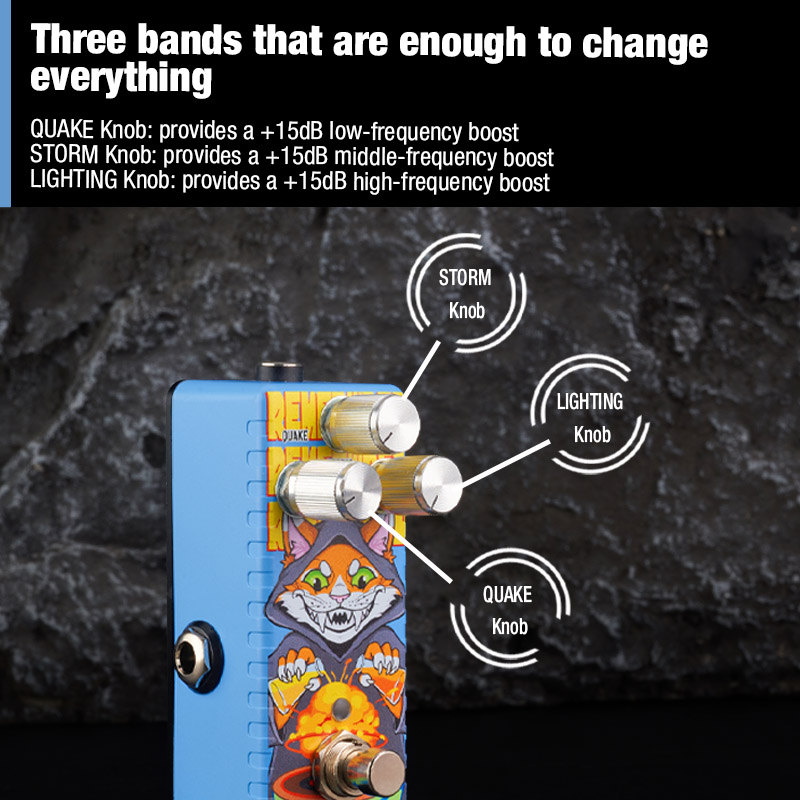
Many guitarists place the equalizer pedal after the overdrive pedal. This allows them to adjust the tone after distortion. The equalizer pedal can boost volume without increasing gain or compression. This allows musicians to adjust the tone before the signal reaches the amplifier. Many people use this setting to enhance solo volume or make the mix clearer. The Musontek Remeowdel equalizer pedal excels here because its analog circuitry maintains tone clarity. Even with high distortion, the tone remains natural.
Before Drive Pedals
Some guitarists prefer to place the equalizer pedal before the overdrive pedal. This changes the frequency range boosted by the overdrive pedal. By using the equalizer pedal first, musicians can choose which parts of the signal receive higher gain. This results in a fuller, more powerful tone and better control over distortion. For instance, boosting the mid-range frequencies *before* an overdrive pedal results in a warmer tone. Conversely, cutting the low frequencies yields a clearer, more articulate sound. The Musontek Remeowdel features ample headroom and is highly responsive to adjustments, making it incredibly easy to experiment with and dial in new tones when placed in this position.
Tip: Placing an EQ pedal *before* your overdrive or distortion pedals (Drive pedals) helps shape the gain structure and frequency response. This allows every guitarist to craft a truly unique and personalized signature tone.
Effects Loop Option
Another approach is to insert the EQ pedal into your amplifier’s effects loop. This connection method allows players to sculpt their tone *after* the amplifier’s preamp stage. Many musicians utilize this technique to fine-tune or correct their sound without altering the amplifier’s inherent core tone. The Musontek Remeowdel excels in this application thanks to its wide operating voltage range and “True Bypass” functionality. It ensures a pristine, uncolored signal while giving you complete freedom to shape your sound. Whether you are performing live on stage or recording in the studio, this is an excellent choice.
The table below compares the key features of the Musontek Remeowdel against other EQ pedals:
| Caraterística | Musontek Remeowdel | Other EQ Pedals |
| Placement Flexibility | Elevado | Varia |
| True Bypass | Sim | Varia |
| Voltage Range | 9-18V | Varia |
| Compact Design | Sim | Varia |
| Quick Adjustments | Sim | Varia |
Players are encouraged to experiment with placing their EQ pedal in various positions to discover and define their preferred tonal style. Thanks to its pristine analog tone and flexible design, the Musontek Remeowdel delivers exceptional performance regardless of where it is placed on your pedalboard.
Factors That Affect EQ Pedal Placement
Musical Goals
Every guitarist has unique musical goals. Some strive for a pristine tone, while others seek greater control over their sound. The placement of an equalizer pedal can help them achieve these objectives. Players who wish to shape their tone right from the source typically place their EQ pedal first in the signal chain; this allows them to tailor the sound based on the specific characteristics of their guitar’s pickups. Other players, however, position the EQ pedal before their distortion unit to control which frequencies receive the greatest gain boost—a technique that helps maintain tonal clarity.
- Placing the EQ pedal first allows you to shape the tone directly at the guitar source.
- Placing it before a distortion pedal helps preserve tonal clarity.
- Placing it after a distortion pedal can eliminate unwanted noise.
- When placed within an effects loop, it can resolve issues such as hiss or excessive low-end frequencies.
Note: Cutting frequencies before boosting can help keep the sound clean and avoid extra noise.
Pedal Order Logic
The arrangement of individual pedals on a pedalboard follows certain fundamental rules. Many musicians prefer placing an equalizer (EQ) pedal at the beginning of the signal chain to shape the guitar’s foundational tone, while others position it at the end to fine-tune the sound after it has been processed by other effects. Here are some common approaches:
- Placed at the beginning: Used to shape the guitar’s foundational tone.
- Placed at the end: Used to apply fine-tuning and polish to the final sound.
- The order in which effects pedals are arranged influences how they interact with one another.
A common mistake is failing to consider the impact that pedal order has on the overall tone. The table below outlines some common errors and their resulting consequences:
| Mistake | Result |
| Over-EQing | Harsh sound that tires the ears |
| Ignoring the Band Mix | Guitar gets lost or stands out too much |
Amp and Effects Loop
Some guitar amplifiers are equipped with an “Effects Loop” interface. This design allows musicians to place an EQ pedal *after* the amplifier’s preamp section. In this position, the EQ can be used to adjust mid-range response or balance the overall tonal character. Furthermore, it effectively suppresses unwanted noise, helping the guitar part blend more seamlessly into the band’s overall mix. Many musicians utilize the effects loop to resolve tonal issues—such as excessive high-frequency harshness (“hiss”) or muddy low frequencies. The Musontek Remeowdel pedal is ideally suited for use in this position, as it ensures that the signal remains consistently clear and robust throughout transmission.
Real-World EQ Pedal Setups

Classic Rock Board
Classic rock guitarists use overdrive, chorus, and delay pedals. They put the EQ pedal near the start of the chain. This helps them shape the main sound of the guitar. The sound gets set before other effects change it. Some players try the EQ pedal after distortion. This changes how the distorted sound feels. The Musontek Remeowdel works well in both spots. Its analog clarity keeps the sound natural.
- Putting the EQ pedal early shapes the main tone.
- Shaping the sound first gives more control.
- Using the EQ pedal after distortion changes the distorted sound.
Tip: Trying different spots for the EQ pedal can give new sounds and make your setup more flexible.
Modern Metal Board
Modern metal guitarists strive for a tight, powerful tone. They typically place the EQ pedal before the overdrive effect to boost the midrange and create a fuller, more robust overdrive tone. Some place it after the faz effect to boost the mid-high frequencies for a clearer tone. Others place it after the distortion effect.
- Placing the EQ pedal before the overdrive effect boosts the midrange.
- Placing it after the faz effect boosts the mid-high frequencies for a clearer tone.
- Placing it after the distortion effect cuts off the midrange and boosts the low frequencies.
Note: Metal guitarists often place the EQ pedal before the amplifier to shape the tone before it enters the amplifier circuit.
Ambient/Experimental Board
Ambient and experimental guitarists use a variety of effects, such as reverb and delay. They place the EQ pedal in different positions to explore new tones. Some place it before the modulation effect to shape the tone first. Others place it in the effects circuit to change the tone after the preamp. The Musontek Remeowdel EQ pedal performs exceptionally well due to its wide voltage range and true bypass capability. This makes it ideal for complex setups.
- Early placement of the EQ pedal can shape the tone before modulation.
- The placement of the effects circuit can alter the sound after the preamp.
- Moving the EQ pedal helps create new tonal textures.
Tip: Experimenting with different EQ pedal positions can help musicians find new tones.
Experimenting with EQ Pedal Position
Testing Different Spots
Guitarists often experiment with different EQ pedal positions to find the optimal tone. They use various methods to test placements.
- Many musicians place the EQ pedal in the effects circuit. This changes the tone after the preamp and helps shape the overall tone.
- Some guitarists place the pedal at the end of the signal chain. This can make the sound cleaner without altering the amplifier’s characteristics.
- Others experiment with placing the pedal before or after overdrive and distortion. Each position influences the tone in a unique way.
Musicians can move the pedal around and listen to how the sound changes. They will discover which position yields the clearest and most powerful tone.
Listening for Changes
Musicians listen intently while adjusting their effects pedals. They typically begin by cutting—or attenuating—frequencies before boosting them. This approach helps keep the sound clean and prevents excessive gain. Many guitarists boost frequencies around 500 Hz to achieve a punchier midrange. They might boost 2 kHz to enhance the clarity of the neck pickup. Some boost 5 kHz to achieve a more ethereal tone. Placing the EQ pedal *after* an overdrive pedal can accentuate the high frequencies; this positioning affects the harmonics, helping solos cut through the mix more effectively. Musicians will notice how the pedal influences the saturation and the overall character of their other effects.
Tip: Small changes in EQ settings can make a big difference in the mix. Players should listen for clarity, warmth, and balance.
Personal Preference
Every guitarist has their own unique style and preferences. Some prefer a bright, crystal-clear tone, while others favor a thick, powerful sound. The optimal placement for an EQ pedal ultimately depends on the musician’s personal taste. Musicians experiment with various positions and settings, trusting their ears to select the sound that suits them best. This process helps them discover new tonal possibilities and shape their own distinct musical identity.
| Preference | Result |
| Bright tone | Boost high frequencies |
| Thick sound | Boost mids and cut highs |
| Clean mix | Cut lows and boost clarity |
🎸 Experimenting with pedal positions lets guitarists unlock new sounds and find their favorite setup.
Most guitarists find that placing their EQ pedal *after* their overdrive pedal yields excellent results. However, every musician can improve their tone by experimenting with different settings. Guitar instructors often emphasize that testing various effects configurations is key to finding a superior tone; even minor tweaks can result in a significant sonic upgrade. Combining various effects pedals can help you discover fresh sounds and spark new creative ideas. Musicians should listen carefully and choose the settings that resonate most with them—for every configuration offers a unique path to finding *your* own signature sound.
FAQ
Where should guitarists place their EQ pedals for the clearest tone?
Most guitarists place their EQ pedals after drive pedals. This placement helps them shape the tone before the signal reaches the amplifier, resulting in a clear and balanced sound.
Can EQ pedals be connected in the effects loop?
Yes, many guitarists connect their EQ pedals in the effects loop. This connection allows them to adjust the tone after the preamp, which is very effective for correcting or eliminating unwanted frequency components.
Is the Musontek Remeowdel suitable for all effects board configurations?
The Musontek Remeowdel is suitable for any effects board configuration. Its pure analog circuitry and wide operating voltage range give it great flexibility, allowing musicians to use it either before or after other effects pedals.
Tip: Try different positions to find your favorite sound.
What frequencies do guitarists usually boost with an EQ pedal?
| Frequency | Result |
| 500 Hz | Strong mids |
| 2 kHz | Clear solos |
| 5 kHz | Airy highs |
Players boost these frequencies to make their guitar stand out in the mix.