When you use an Distortion Overdrive Pedal, you get more than louder sound. You make your signal stronger, add warmth, and help your guitar sound more lively. Many guitarists like overdrive pedals for making blues tones, playing quietly, and getting classic rock sounds. You can hear these pedals in lots of modern music.
Principais conclusões
-
Overdrive pedals make your guitar sound warmer and rougher. They help your playing feel more lively and full of feeling. These pedals work well with many types of music, like blues or metal. You can change your sound to match your style. Trying out different overdrive pedals and settings is fun. It helps you find cool new sounds that make you want to play more.
- Recommended Distortion Overdrive Pedals by Musontek :
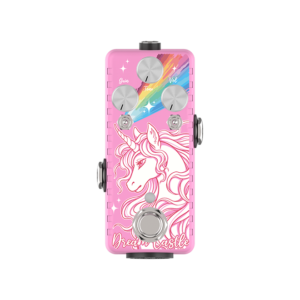
Pedal de overdrive Dream Castle
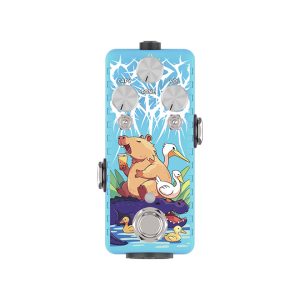
Condutor de veículos pesados Ordem Capy
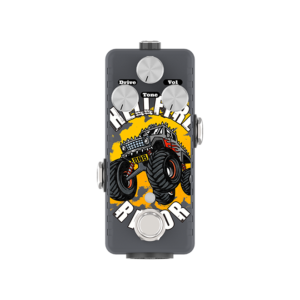
What is overdrive?

Overdrive pedal basics
When you use an overdrive boost pedal, you change the way your guitar sounds. These pedals started out as a way to copy the sound of tube amps turned up loud. Guitarists in the 1950s and 1960s wanted more grit and power, so they pushed their amps to the limit. Overdrive pedals made it easier to get that sound at any volume. Today, you can find many types of overdrive boost pedal, each with its own style and features.
Here’s what an overdrive pedal can do for you:
-
Simulates the natural sound of a tube amp pushed hard
-
Adds warmth, sustain, and grit to your tone
-
Gives your rhythm playing a crunchy edge
-
Boosts your signal for solos so you stand out
-
Pushes your amp into thicker, richer distortion
-
Cleans up or tightens the low end
-
Smooths out your playing with natural compression
How overdrive affects tone
You might wonder how an overdrive pedal changes your sound. When you turn it on, you get more warmth and a bit of drive. Some pedals, like the Klon or the MXR Duke of Tone, are famous for adding just enough grit while keeping your guitar’s natural feel. You can use an overdrive boost pedal as an always-on effect to make your tone fuller. It helps your guitar cut through the mix without sounding harsh. You also keep the character of your amp and guitar.
Tip: Try placing an EQ pedal before or after your overdrive to shape your sound even more.
Soft-clipping and amp-like sound
Soft clipping is what makes overdrive pedals sound so much like real amps. When you play harder, the pedal distorts your signal in a smooth, natural way. This is different from hard clipping, which sounds more aggressive. Pedals use soft clipping will keep your tone clear but add just the right amount of dirt. You get a thick, saturated sound that still feels organic. Many guitarists love this because it reacts to how you play, just like a tube amp would.
Why use overdrive boost pedal?
Enhancing dynamics and clarity
When you play guitar, you want your sound to stand out. An overdrive boost pedal helps you do just that. It makes your notes clearer and gives your playing more punch. You can use it to boost your solos or add a little grit to your rhythm parts. The pedal reacts to how hard you play, so you get more expression and control. If you play softly, your sound stays clean. When you dig in, the pedal adds warmth and drive. This makes your guitar feel more alive and helps you cut through the mix, whether you play at home or on stage.
Tip: Try using an overdrive boost pedal as an always-on effect. You’ll notice your guitar sounds fuller and more dynamic, even at lower volumes.
Overdrive vs distortion vs fuzz
You might wonder how overdrive compares to other effects like distortion and fuzz. Each one shapes your sound in a different way. Here’s a simple table to help you see the differences:
|
Efeito |
Clipping Method |
Caraterísticas tonais |
|---|---|---|
|
Overdrive |
Soft clipping using diodes |
Warm, smooth, and dynamic tone, often feels “safe” |
|
Distorção |
Hard clipping, more aggressive |
More grit and sustain, robust sound, keeps articulation |
|
Fuzz |
Total clipping, overtones |
Rich in harmonics, fuzzy and wild, can sound very intense |
An overdrive boost pedal uses soft clipping. This gives you a warm and smooth sound that feels natural. Distortion pedals use hard clipping, so the sound is heavier and more aggressive. Fuzz pedals go even further, making your guitar sound thick and buzzy with lots of harmonics. Overdrive is great if you want to keep your guitar’s natural tone but add some edge. Distortion and fuzz change your sound more, which can be fun for certain styles.
Genre versatility
You can use an overdrive boost pedal in almost any style of music. It’s not just for rock or blues. Many guitarists in punk rock, metal, alternative rock, grunge, jazz, country, and even electronic music use overdrive to shape their sound. This pedal fits into so many genres because there are lots of different types to choose from. Some overdrive pedals sound vintage and smooth, while others are modern and bright. You can find one that matches your style, whether you want a subtle boost or a bold, crunchy tone.
-
Punk rock bands use overdrive for raw energy.
-
Blues players love the warmth and touch sensitivity.
-
Metal guitarists stack overdrive with distortion for tight, powerful riffs.
-
Jazz and country musicians use it to add sparkle and clarity.
No matter what you play, an overdrive pedal gives you more options. You can experiment with different settings and find the sound that inspires you.
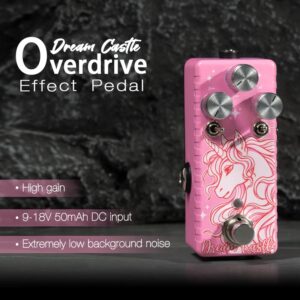
What kind of overdrive pedal can you expect from MUSONTEK?
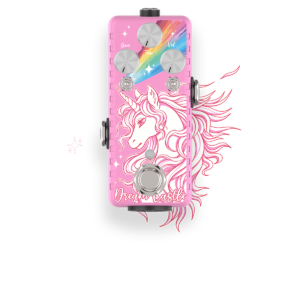
MUSONTEK Overdriver – Dream Castle

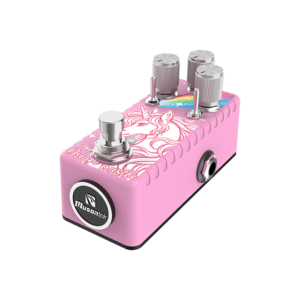
If you want a pedal that gives you control and flexibility, the MUSONTEK Overdriver - Castelo dos Sonhos stands out. This pedal lets you shape your sound with three EQ bands, so you can boost highs, mids, or lows to fit your style. You get a legendary four-digit OP-Amp circuit inside, which means your tone stays clear and powerful, even when you turn up the gain. You can switch between modern and vintage modes, so you can go from smooth blues to bold rock in seconds.
Here’s a quick look at what makes the Dream Castle special:
|
Caraterística |
Descrição |
|---|---|
|
OP-Amp Circuit |
Four-digit circuit for clear, loud gain |
|
Modes |
Modern and Vintage for different playing styles |
|
Clip Switch |
Lets you pick between bold or lively sounds |
|
Attack Switch |
Three settings for more sound options |
|
Low Background Noise |
Keeps your signal clean, even at high gain |
|
Compatibilidade |
Works with tube, solid-state, and digital amps |
You also get both true bypass and buffer bypass. True bypass keeps your original tone when the pedal is off. Buffer bypass helps your sound stay strong, even if you use long cables or lots of pedals. This means you can keep your setup simple or go big without losing clarity.
Choosing the right pedal for your setup
Picking the right overdrive pedal depends on your gear and your taste. Think about your guitar’s pickups. Single-coil pickups give you a wide range of tones, while humbuckers sound more focused. Your amp matters too. Some amps have a strong midrange. Others sound cleaner and brighter.
When you use EQ bands on your overdrive pedal, you can boost certain frequencies and make your guitar stand out. This helps you get the right sound for your band or your favorite songs. If you stack pedals or use lots of gain, remember to watch for noise. A pedal with low background noise, like the Dream Castle, helps keep your sound clean and clear.Using both modern and vintage overdrives gives you more sounds to use. Here are some good things about using overdrives:
|
Benefício |
Descrição |
|---|---|
|
Gama dinâmica |
Stacking overdrives makes your sound smoother and more flexible. |
|
Expressive Control |
Pedals react to how you play and your guitar’s volume. |
|
Creative Freedom |
You can play anything from soft jazz to loud rock. |
Vintage pedals give you a warm, classic sound. Modern pedals have new features. Mixing both helps you make your own special sound.
FAQ
How do you use an overdrive pedal with your amp?
Plug your guitar into the pedal, then connect the pedal to your amp. Turn the pedal on. Adjust the gain and EQ to shape your sound.
Can you stack overdrive pedals?
Yes! You can stack two or more overdrive pedals. This gives you more gain and different tones. Try different orders to find your favorite sound.
What’s the difference between true bypass and buffer bypass?
True bypass keeps your signal pure when the pedal is off. Buffer bypass helps your tone stay strong, especially with long cables or many pedals.