Yes, John Mayer uses compressors to improve his guitar tone. He likes pedals like the Keeley Katana and Strymon OB-1. These pedals extend note sustain and balance volume, thus improving clarity. Many professional guitarists use compression pedal for the following reasons:
| Benefício | Descrição |
| Enhances Sustain | Longer note sustain results in a fuller, richer sound. |
| Balances Volume | More balanced volume for a more professional sound. |
| Improves Clarity | Quiet notes are easier to hear. Loud notes do not take over. |
| Protects Your Gear | Stops loud sounds. Your amp and speakers stay safe. |
| Versatilidade | Works for many music styles. It fits clean country and funky rhythms. |
Principais conclusões
- John Mayer uses compressors like the Keeley Katana and Strymon OB-1 to improve his guitar tone. These pedals help extend note sustain and maintain a stable volume.
- A compressor pedal makes soft notes easier to hear while preventing overly loud notes from becoming harsh, resulting in a balanced and professional tone.
- Using two compressor pedals gives you better control over tone and note dynamics. Try using one pedal for slight compression and the other for sustain.
- Pedal placement within the device is crucial. Placing the compressor closer to the front provides better tone control and a smoother sound.
- Start with simple compressor settings. Adjust the input and output levels to find the tone that best suits your guitar and playing style.
John Mayer’s Compression Pedals

Keeley Katana
John Mayer is a big fan of the Keeley Katana effects pedal. He uses it to create unique guitar tones. The Katana provides a crisp volume boost without altering the guitar’s natural tone. Its controls are simple and easy to use. Many guitarists choose the Katana because it both boosts tone and maintains its original character.
- The Keeley Katana pedal provides a powerful and crisp volume boost.
- It’s easy to use.
- This pedal sustains notes and maintains a balanced sound.
- It preserves the guitar’s original tone while making it warmer and fuller.
John Mayer often says the Katana is essential to his music. He believes this pedal helps him achieve a powerful and clear tone. The Katana allows him to play longer sustains and a more balanced tone, making his music sound richer and fuller.
Tip: If you want to increase volume without losing the guitar’s original tone, try the Keeley Katana. This pedal is perfect for live performances and studio recordings.
Strymon OB-1
John Mayer also uses the Strymon OB-1 compressor. This effect combines optical compression with clean gain. The OB-1 helps Mayer maintain a stable volume and even pitch. It also makes his playing clearer, ensuring every note is audible.
Musicians love the OB-1 because it provides smooth compression and gain. This effect is designed to allow musicians to easily change tone. Mayer uses the OB-1 to maintain a balanced and clear guitar tone, especially during live performances.
Other Pedals Used
Over the years, John Mayer has experimented with many compressors. He changes the compressor depending on the song and performance. Some other effects he has used include:
- Analog Man Mini Bi-Comp: This effect has two compressors. It uses Ross-style and Orange Squeezer circuitry. Mayer has been using it since 2010.
- Origin Effects Slide Rig: This effect has two levels of compression. Mayer used it on his recent tour.
- Different Rack-Mounted Compressors: John Mayer uses these compressors in the studio to achieve a professional sound.
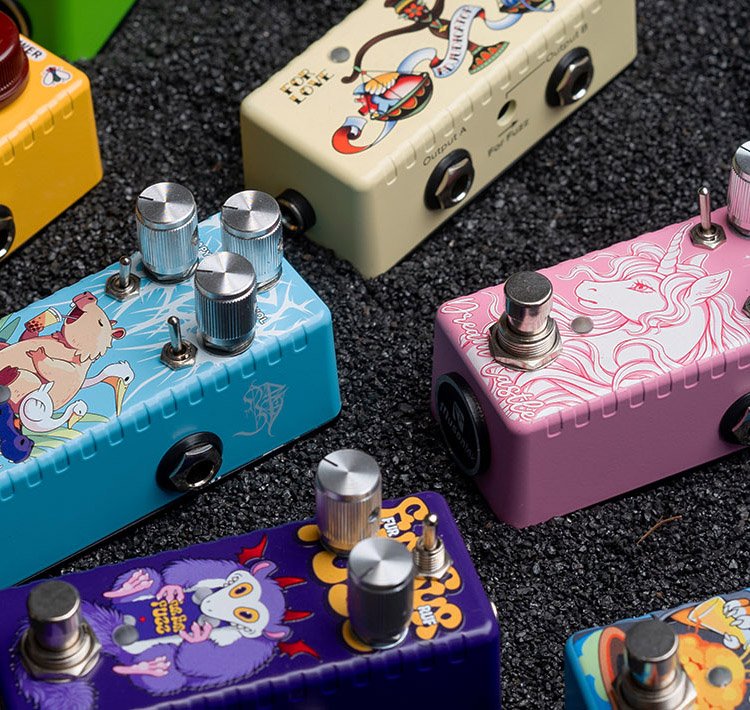
O MusonTek F2309 FUR FUR distortion effect works differently from compressors. Compressors like the Katana and OB-1 help improve sustain and clarity. The FUR FUR distortion effect, however, provides a thick, powerful distortion. It allows musicians to experiment with new tones and add style to their music. The FUR FUR combines distortion and overdrive, making it a great choice for musicians looking to unleash their creativity.
Note: Compressors help guitarists achieve a smooth, even sound. Distortions like the FUR FUR provide bold and unique tones for musicians wanting to experiment.
Compression Pedals Setup and Signal Chain

Dual Compressor Approach
John Mayer uses a dual compressor solution to shape his guitar tone. This method allows him greater control over the guitar’s response. He can adjust the compression level for different songs and styles. By using two compressors, he can balance the tone and maintain a natural dynamic range. Many guitarists use only one compressor, but Mayer’s approach allows him to fine-tune the tone for each performance. He typically sets one compressor to a smooth, gentle effect and the other to increase sustain. This setup helps him produce a clear and expressive sound.
Tip: Using two compressors can help musicians achieve a more balanced and dynamic sound. Try setting one to light compression and the other to increase sustain.
Placement in Chain
The order of pedals in an effects chain affects the final sound. John Mayer places his Justa Boost gain pedal at the very beginning of his effects chain. This pedal makes his monocoque pickups sound thicker and adds a natural compression effect. After the gain pedal, he adds filters, overdrive pedals, delays, and effects like tremolo and reverb in sequence.
Here is his typical effects chain order:
- Justa Boost
- Antelope Filter
- Halfman Overdrive
- Tealbreaker Overdrive
- Millipede Delay
- Gravity Tank (harmonic tremolo and spring reverb)
Placing the compressor at the beginning of the effects chain helps Mayer control the dynamic range before adding other effects, thus maintaining a smooth and even sound.
Note: Placing the compressor near the beginning of the effects chain helps control the guitar’s volume and maintains clarity.
John Mayer’s Settings
Mayer uses compressors with simple controls. Many of his favorite pedals have only two knobs. These knobs adjust the input and output levels. Some effects units display a gain/attenuation meter indicating the compression level. Start-up, release, compression ratio, and sidechain filter settings are typically matched to a Mayer’s studio tone. Automatic gain compensation helps maintain volume stability when adjusting compression.
Here are some tips for setting up a Mayer-style compressor:
- Use the input knobs to set the desired compression level.
- Adjust the output knobs to match your amp’s volume.
- Observe the gain/attenuation meter to understand the compression level of the signal.
- Use the bypass switch to compare the sound before and after compression.
- If your effects unit allows, simplify the start-up and release settings as much as possible.
| Setting | What It Does |
|---|---|
| Input Knob | Control the amount of signal input to the compressor |
| Output Knob | Set the final volume after compression |
| Gain Meter | Displays the compression level |
| Bypass Switch | Turns the compressor on or off |
Tip: Start with a low compression level and gradually increase it until the notes sound even and clear. Avoid setting the input level too high, otherwise the sound may lose its naturalness.
Aspiring guitarists to achieve a John Mayer-like tone should experiment with different pedal positions and settings. Try different combinations to find the settings that best suit your guitar and playing style.
Compression Pedals Tone Impact
Sustain and Clarity
Compression plays a crucial role in shaping guitar tone. It helps control the dynamics of music. For John Mayer, compression extended the duration of his notes, a technique known as sustain. When he played, the sound didn’t disappear quickly but lingered softly. It also helps his amplifier work better by controlling the peaks of the signal. This gives him a rich, full tone that is beloved by many music fans.
Tip: Compression can help any guitarist achieve a more balanced, professional tone. Try using it to make your notes last longer and your playing clearer.
Live vs. Studio Use
John Mayer adjusted his compression settings depending on the performance setting. In the studio, he used compression to achieve a full, balanced tone. Studio recordings typically use a variety of tools to shape the final tone, and compression is one of the most important. It helps blend the guitar with other instruments, making the music sound more refined and fluid.
- In the studio, Mel’s clean tone is full and balanced, and compression is key to achieving this effect.
- Live performances may not always involve using compressors. However, the sound team adds compression during mixing to help his guitar blend better with the band.
- Studio recording uses more effects, including compression, to enhance the sound quality.
Each setup has its own needs. In the studio, Mel can use more compression to achieve the perfect tone. On stage, he relies on both effects and the sound team to ensure his guitar maintains a clear and powerful tone in any situation.
John Mel uses compressors to create his unique guitar tone. These effects help him achieve longer notes, clearer sound, and more balanced volume. If you want your guitar to sound like his, try different combinations of effects. Choosing the right compressor is crucial. Here are some factors to consider:
- Define your needs. Do you just need to adjust the volume slightly, or do you need to increase sustain?
- Ensure your effects pedal is compatible with your other equipment.
- Check the control knobs. Simple effects pedals are suitable for beginners.
Understanding which effects pedals to use and how to position them will help every guitarist achieve their best tone.