
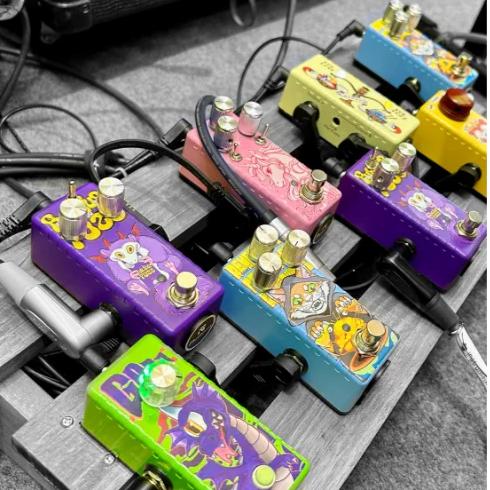
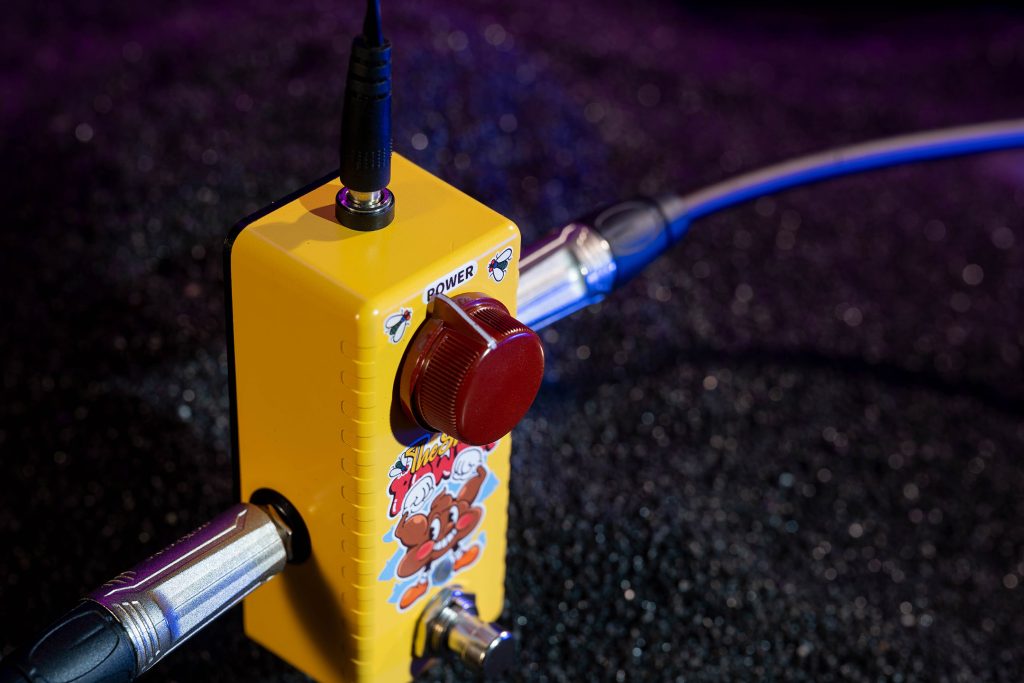
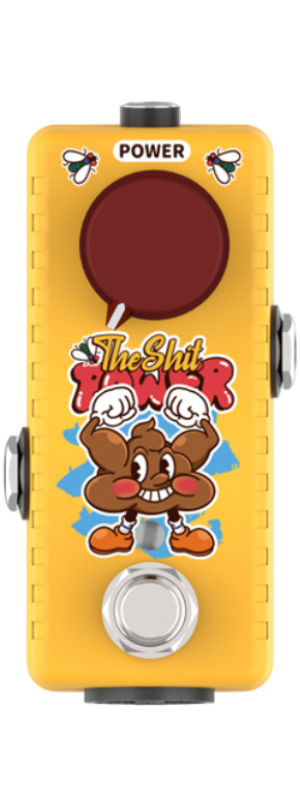


A boost effect pedal is a device used by guitarists and other musicians to increase the volume or signal strength of their instrument. It is a simple but powerful tool that helps make the sound louder without changing the tone too much. The main purpose of a boost pedal is to add extra gain to the guitar signal. This means it makes the sound stronger and clearer. Musicians often use it to make solos stand out during a performance or to push an amplifier into natural distortion. Unlike distortion pedals, boost pedals do not add heavy effects or change the sound drastically. Instead, they keep the original tone but make it more powerful. Boost pedals come in different types. Some provide a clean boost, which means the sound stays clear and natural. Others may add a little warmth or brightness to the tone. Many boost pedals have simple controls, usually just a level knob to adjust how much boost you want.
Musontek Boost Effect Pedal: O poder da merda
If you’re looking for a high-quality, versatile boost pedal, The Shit Power by Musontek is an excellent choice. It’s a powerful tool for shaping your sound, enhancing your signal, and unlocking new creative possibilities. It offers a simple interface, powerful clean boost, and advanced buffering options. Whether you’re playing live, recording, or practicing, this pedal is designed to deliver exceptional performance. Try it in your rig and experience the difference a great boost pedal can make!
Principais caraterísticas de O poder da merda Boost Pedal
1. Clean Boost with Simple Controls
Up to 21dB Gain: The pedal can increase your signal by up to 21 decibels. This is more than enough for solos, amp pushing, or compensating for signal loss.
One-Knob Operation: The interface is straightforward. You don’t need to worry about complicated settings. Just turn the knob to set your desired boost level.
2. High Headroom, Tube-Like Performance
High Voltage Operation: The pedal supports a wide input voltage range (9V to 18V). Higher voltage means more headroom, which is the pedal’s ability to handle strong signals without distortion.
Tube-Like Dynamics: The high headroom allows the pedal to respond dynamically, similar to a vacuum tube amplifier. This means your playing feels natural and expressive.
3. Two Buffer Modes: Vintage and Modern
Vintage Buffer: This mode gives your tone a warm, resonant character. It interacts with your guitar’s pickups and cables, creating subtle variations in tone—just like classic pedals from the past.
Modern Buffer: This mode provides a clean, transparent sound with fast response and dynamic elasticity. It’s perfect if you want your guitar’s true tone to shine through.
4. Class A Discrete Buffer Circuit
Superior Audio Quality:The buffer circuit is designed using Class A discrete components. This means it preserves your signal’s integrity and clarity, even with long cables or complex pedalboards.
No Tone Suck: Some pedals can degrade your tone (“tone-sucking”), but The Shit Power is engineered to avoid this problem.
5. Extremely Low Noise
Quiet Operation:The pedal produces very little background noise, even at high boost settings, which is essential for both live performances and professional studio recording environments.
Torne-se um revendedor Musontek
A Musontek está a expandir a sua presença global e procura ativamente parceiros e revendedores em todo o mundo. Ao tornar-se um revendedor Musontek, ganha acesso a uma linha crescente de pedais de efeitos de guitarra inovadores e de alta qualidade que atraem músicos de todos os níveis. A Musontek apoia os seus revendedores com materiais de marketing, preços competitivos e cadeias de fornecimento fiáveis. Junte-se à família Musontek e ajude a levar qualidade de som e valor excepcionais a músicos de todo o mundo.
Whether you use single-coil or humbucker pickups, vintage or modern amps, The Shit Power adapts to your rig. The two buffer modes let you tailor the pedal’s response to your preferences and equipment.
2. Perfect for Any Genre
From blues and jazz to rock and metal, every guitarist can benefit from a high-quality boost. The Shit Power’s clean boost and flexible buffering make it suitable for all styles.
3. Ideal for Both Live and Studio Use
You can use it live to boost your solos, cut through the mix, or maintain clarity with long cable runs, and in the studio to enjoy pristine signal quality and subtle tone enhancement for recording.
4. Easy to Use
The simple control layout means you spend less time tweaking and more time playing. Just plug in, select your buffer mode, and set your boost level.
5. Built for the Demanding Musician
With high-quality components and robust construction, The Shit Power is expertly designed to reliably withstand the demanding rigors of extensive touring and frequent, heavy use.
How to Use O poder da merda in Your Rig
Step 1: Connect the Pedal
Place The Shit Power early in your signal chain, ideally right after your guitar. This ensures your signal is strong and clear before it reaches other pedals or your amplifier.
Step 2: Choose Your Buffer Mode
Vintage Buffer offers warm, resonant tones for classic rock, blues, jazz; Modern Buffer delivers clean, clear sound, perfect for pop, metal, or true guitar voice.
Step 3: Set the Boost Level
Turn the boost knob to set your desired volume increase. Start low and gradually increase until you reach the perfect level for your playing situation.
Step 4: Enjoy Enhanced Performance
Play your guitar and enjoy the benefits of a strong, clear, and dynamic signal. Use the pedal to boost your solos, drive your amp, or simply maintain your tone across long cable runs.
Tornar-se um distribuidor global para Musontek
How Does a Boost Pedal Enhance Guitar Sound
Volume Increase for Solos and Highlights
Boost pedals are often used to raise the volume of specific parts of a song, such as solos or lead lines, making them stand out in a mix. This helps the guitar cut through other instruments like rhythm guitars or keyboards, ensuring the player’s performance is clearly heard.
Adding Gain and Saturation
Besides volume, boost pedals can add gain that thickens the sound. When combined with overdrive or distortion pedals, a boost can push those pedals harder, resulting in more saturation and a fuller tone. This layering effect allows for dynamic control over the intensity of your distortion.
Tone Shaping and Signal Integrity
Some boost pedals include buffering circuits that maintain signal strength and quality throughout the effects chain. This buffering prevents signal degradation and can subtly shape your tone, ensuring your guitar’s voice remains consistent and vibrant.
Pushing the Amplifier into Overdrive
When placed before a tube amplifier, a boost pedal can increase the input signal enough to push the amp’s preamp section into natural overdrive or saturation. This means you can achieve warm, organic distortion tones at lower amplifier volumes, which is especially useful for tube amps with limited clean headroom. The pedal essentially drives the amp harder, producing richer harmonic content and sustain without adding artificial distortion.
Preserving and Enhancing Clarity
A clean boost pedal increases your guitar’s output without coloring the tone, preserving the natural sound of your instrument. This can add clarity, definition, and presence to your playing, especially useful when using long cables or multiple pedals that might otherwise degrade your signal. It combats tone loss and keeps your sound crisp.
Perguntas frequentes sobre Boost Effect Pedal
Is a boost pedal the same as overdrive
A boost pedal and an overdrive pedal are not the same, but they are related. A boost pedal increases the guitar’s signal strength without changing the tone much. It makes the sound louder and can push an amplifier harder. An overdrive pedal, however, adds a warm, distorted sound by clipping the signal. It simulates the natural distortion of a tube amplifier when played loudly. Boost pedals are often used to make solos stand out, while overdrive pedals add character and grit to the sound. Both pedals can be used together to shape the guitar tone in different ways.
What is the difference between a preamp and boost pedal
A boost pedal mainly increases the volume of your guitar signal without changing its tone much. It can make your sound louder and push other pedals or the amp harder, adding some natural saturation if placed before distortion. A preamp pedal, however, not only amplifies the signal but also shapes the tone with EQ and gain controls. It acts like the front end of an amplifier, allowing more detailed tone tweaking and can sometimes replace an amp’s preamp section.
Does a boost pedal just increase volume
A boost pedal does more than just increase volume. Its main function is to raise the signal level from your guitar. This can make your sound louder, but it also changes the tone slightly. A boost pedal can add more clarity and presence to your playing. It helps your guitar stand out in a mix. Some boost pedals keep the sound clean, while others add a bit of warmth or grit. Musicians use boost pedals to push their amp harder or to highlight solos. So, it is not just about volume; it also affects the overall sound quality.
Should boost go first or fuzz
When deciding whether to use boost or fuzz first, it depends on the sound you want. If you put the boost first, it will increase the signal before distortion. This makes the fuzz sound stronger and more intense. If you put fuzz first, then boost, the boost will make the fuzz louder but keep its original tone. Many guitarists prefer boost first to push the fuzz harder and get a thicker sound. However, fuzz first can keep the fuzz tone clearer and just make it louder. Try both ways to see which sound you like best. Each order creates a different effect.
