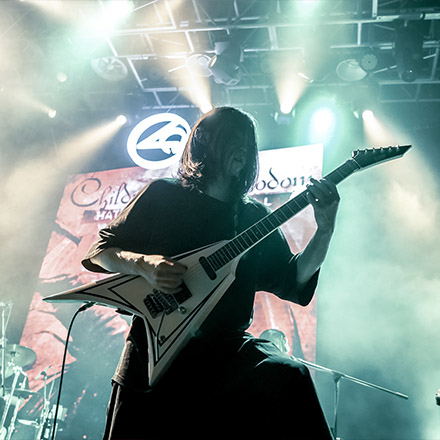
Bassists always want to find the distortion pedal that best suits their tone. Some popular choices include the Electro-Harmonix Bass Big Muff Pi, the Behringer Bass Brassmaster, and the ZVEX Woolly Mammoth. These pedals offer thick distortion, powerful bass, and a distinctive style. The ムソンテック GRRRモンスター stands out with its many new features and rich distortion tones. Players can experiment with rough, smooth, or wild distortion effects. Each distortion pedal adds a unique charm to the music. Choosing the right distortion pedal helps every bassist play confidently and showcase their unique style.
要点
- Try different distortion pedals to find one that suits your tone and playing style.
- Choose an pedal that maintains a strong and clear bass even when using a lot of distortion.
- Consider choosing an effect with mixing controls distortion so you can mix clean tones with distortion for more options.
- Test the effects pedal with your own bass and amp to ensure perfect compatibility.
- Before purchasing, determine your budget, as quality distortion pedals vary greatly in price.
Top Bass Fuzz Pedals
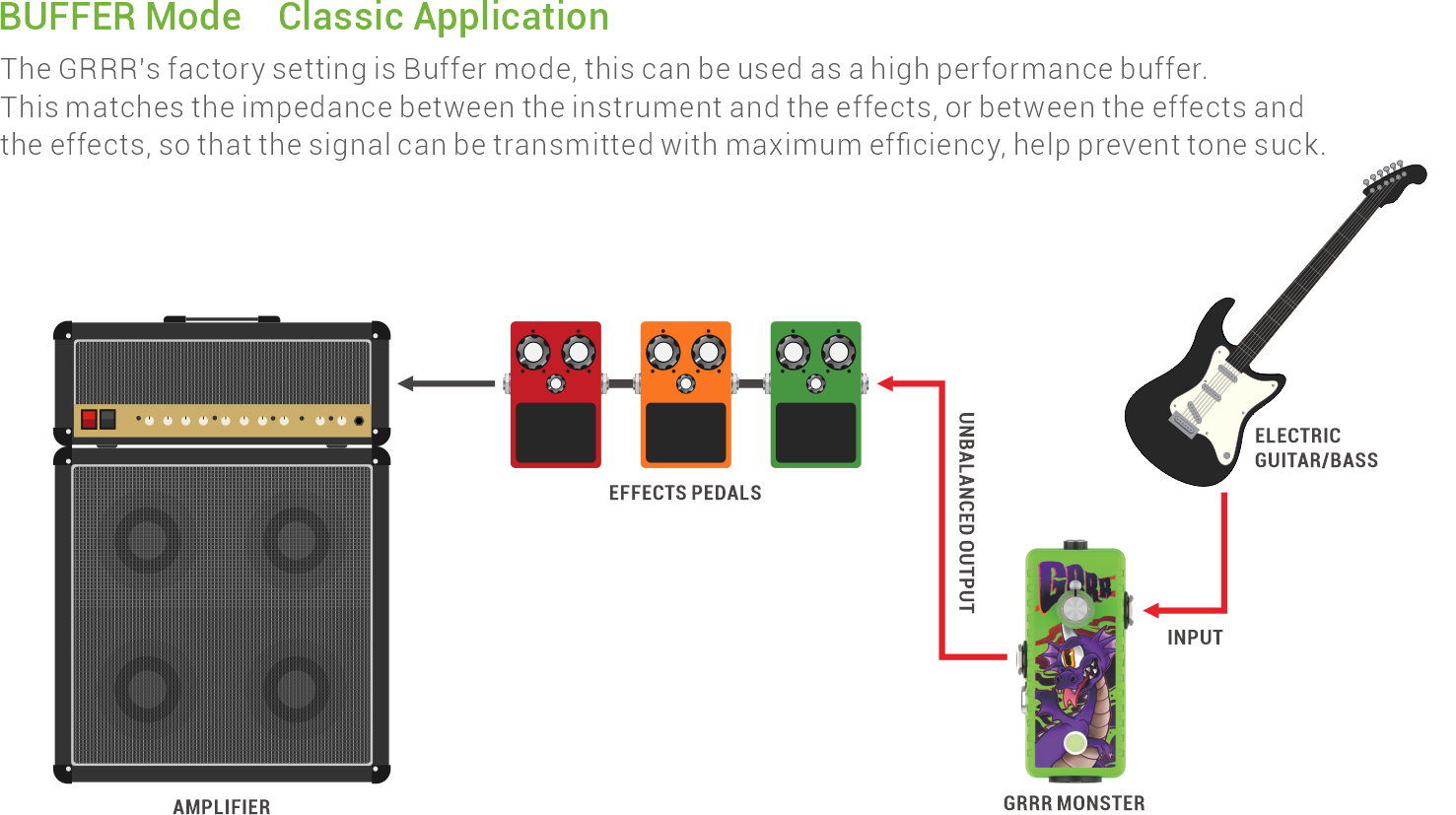
ムソンテック GRRRモンスター
The Musontek GRRR Monster is a top-tier bass distortion pedal. This pedal offers musicians a rich range of distortion tones, from soft and delicate to wild and aggressive. Musontek’s design team focused on clarity and depth, ensuring that every note remains distinct even under heavy distortion. Musicians can use the GRRR Monster to achieve clean gain or deep, gritty distortion. Its robust construction and easy controls make it ideal for both stage and studio use. Many bassists love this distortion pedal because it allows them to create their own tone for different styles and genres.
Electro-Harmonix Deluxe Bass Big Muff Pi
The Electro-Harmonix Deluxe Bass Big Muff Pi is one of the best distortion effects for bassists seeking a classic yet modern tone. This effect features a built-in noise gate to keep the sound clean and free of unwanted noise. It also features mix controls and a crossover circuit, allowing musicians to easily mix clean and distorted signals. Adjustable input sensitivity is suitable for both passive and active basses. The footswitchable crossover circuit, equipped with high-pass and low-pass filters, provides musicians with more ways to shape a distorted tone. Many bassists choose this effect because of its versatility and powerful low-frequency response.
Behringer Bass Brassmaster
The Behringer Bass Brassmaster is a popular choice for musicians seeking a retro distorted tone. This effect delivers a classic, slightly grainy distorted tone, perfect for rock and funk music. Musicians appreciate that it maintains the bass’s impact and clarity even under heavy distortion. The controls are simple and intuitive, allowing for easy adjustment of distortion levels to suit any song. Many bassists use this effect to add personality and sharpness to their tone.
Fender Bassman Fuzz
The Fender Bassman Fuzz condenses the famous Bassman amp tone into this compact pedal. This distortion effect delivers a warm, thick distortion tone while maintaining a strong low-frequency response. Musicians can use it for subtle overdrive or powerful distortion. Its control knobs allow users to adjust the tone for different musical styles, from blues to heavy rock. Many bassists appreciate that this effect adds a retro feel without sacrificing clarity.
Jam Pedals Red Muck
The Jam Pedals Red Muck is inspired by classic Muff circuitry and is known for its tonal flexibility. It offers a rich range of distortion tones, from smooth and flowing to powerful midranges. A second footswitch adds an extra gain stage, giving musicians better control over distortion. The mix knob allows bassists to blend clean and distorted signals for perfect balance. This effect works exceptionally well with other effects and is ideal for musicians seeking a versatile distortion effect.
| 特徴 | 説明 |
| Inspired Circuitry | Based on the ’71 “Triangle” and “Red Army/Civil War” Muff |
| Tonal Flexibility | Extended tone knob range for softer sound and pronounced mids |
| Gain Stages | Second footswitch for 2-gain-stage pedal functionality |
| コントロール | Level, Tone, Gain, Mix |
| True Bypass | はい |
| 互換性 | Works well with other pedals (synth, modulation, etc.) |
| Mix Control | Allows for accurate blending into your sound |
DOD Carcosa
The DOD Carcosa is a unique fuzz effect that provides bassists with a wealth of tone-shaping options. It features fuzz volume and texture control knobs, as well as a toggle switch to change how the effect handles low frequencies. This means that even with heavy fuzz, musicians can maintain a clear and deep tone. Carcosa effects are perfectly compatible with many amps, allowing bassists to find their ideal distortion tone in any situation.
Way Huge Swollen Pickle
The Way Huge Swollen Pickle is known for its rich distortion tone. This effect delivers a thick, full distortion tone that penetrates any mix. Musicians can adjust the Scoop, Crunch, and Filter knobs to precisely shape the distortion tone they want. The Swollen Pickle is ideal for bassists who want a powerful, impactful distortion effect while maintaining a full bass response.
MXR M287 Low Octave Bass Distortion Effect
The MXR M287 Low Octave Bass Distortion Effect stands out for its powerful and unique distortion tone. It combines the Growl section of the MXR Bass Octave Deluxe with a robust distortion circuit. Musicians can mix dry, distortion, and octave signals to achieve a rich, full tone. This effect is ideal for bassists who want to stand out in their band and need a distortion effect that delivers strong bass performance.
Source Audio Aftershock
The Source Audio Aftershock is one of the most flexible bass distortion effects on the market. It features a dual distortion engine, allowing musicians to parallel or cascade overdrive effects for a deeper tone. Clean Mix controls allow bassists to balance clean and distortion signals. With drive, tone, bass, mid, and treble controls, this effect gives musicians complete control over their distortion tone.
| 特徴 | 説明 |
| Dual Distortion Engines | Supports cascaded overdrive, parallel operation, or routing to independent outputs. |
| Drive Control | Adjust the amount of overdrive, fuzz, or distortion. |
| Clean Mix | Balance the clean and distortion signals. |
| Voice Control | Adjust the midrange characteristics of the sound. |
| Bass Control | Adjust the low frequencies of the overdrive tone. |
| Mid A and Mid B | Adjust the low and high frequencies of the midrange respectively. |
| Treble Control | Adjust the high frequencies of the overdrive tone. |
| Channel Linking | Allows linking two distortion engines to achieve tone matching at the output. |
ZVEX Woolly Mammoth
The ZVEX Woolly Mammoth is a wild and unique fuzz tone that bassists dream of. This effect creates a Velcro-like gated fuzz tone, perfect for psychedelic rock and heavy music. Musicians love its rich, powerful tone and clarity, even with heavy distortion. It works well with single notes and power chords, making it ideal for creating creative bass lines.
- The ZVEX Woolly Mammoth is praised for its Velcro-like gated distortion texture, making it ideal for psychedelic rock.
- Users note that it produces a rich, powerful tone, maintaining clarity even at saturation.
- This effect works well with single notes and power chords, helping to create psychedelic improvisations.
Pepers Pedals Humongous Fuzz
The Pepers Pedals Humongous Fuzz lives up to its name, delivering a massive distortion tone. This effect produces thick, saturated distortion, making any bass tone fuller. Musicians can use it for both classic and modern styles. The controls are simple and intuitive, making it easy to find the right distortion for any song. Many bassists choose this effect when they want their distorted tone to stand out in their mixes.
JHS Supreme
The JHS Supreme brings a retro Super-Fuzz tone to modern musicians. It features a mid-range boost switch for a wider range of tonal options. Many users appreciate the control and tonal range this fuzz effect offers. The Supreme is perfect for bassists who want a classic fuzz tone with modern functionality.
- Pure Retro Super-Fuzz Tone
- Modern Tone Shaping Capabilities
- Mid-range Boost Switch for More Tonal Options
- Users Appreciate the Versatility and Control of This Effect
Beetronics Vezzpa
The Beetronics Vezzpa is a fuzz effect that delivers a buzzing, aggressive fuzz tone to bassists. It’s known for its unique tone and powerful presence. Musicians can use it to achieve subtle fuzz tones or wild synthesizer sounds. Vezzpa is ideal for musicians looking to add something new to their sound.
Green Russian Muff Series
The Green Russian Muff series is known for its direct and powerful fuzz tone. These effects have a strong impact and a bass-friendly low-frequency response. Some versions, such as the early “High Font” Green Russian, have a smooth tone, perfect for bass. Others, such as the “Bubble Font” version, are more gritty and have more sustain. Many bassists love these effects for their classic distortion tone and powerful bass.
| Variant | Sound Characteristics | 備考 |
| Early “High Font” Green Russian | Same as the Civil War-era version, smooth tone, suitable for bass. | First version, favored for its low gain and bass-friendly low frequencies. |
| Second/Third Version “Bubble Font” | More gritty and impactful, less bass, longer sustain, less smooth tone than the former. | With lower gain, a fuller bass, and a brighter midrange, it’s a favorite among bassists. |
Tip: Every distortion pedal has its unique characteristics. Experiment with different pedals to find the one that best suits your style and tone.
Features of Fuzz Pedals for Bass
Low-End Retention
Bassists want to maintain a strong, full tone even when using distortion effects. Low-frequency retention means the effect clearly preserves deep bass. Many distortion effects make the bass disappear or sound weak. The best bass distortion effects solve this problem. They maintain the presence of low frequencies even at high gain. Musicians will find their bass lines remain strong and powerful, not drowned out in the mix. This feature helps create a solid and impactful musicality.
- Preserves low frequencies even at high gain.
- Maintains a clear and strong bass line.
- Prevents the tone from becoming thin or weak.
Mix Controls
Mix controls allow musicians to blend clean bass tones with distortion effects. This feature provides greater control over the final tone. Some bassists only want to add a touch of distortion to a clean tone, while others want full distortion. With mix controls, they can choose the appropriate blending ratio for different songs. Many distortion pedals now feature this function because it helps musicians shape tone and makes the pedal more suitable for different musical styles.
汎用性
A good distortion pedal is suitable for multiple music genres. Versatility means it can produce soft distortion, strong distortion, or anything in between. Some bass distortion pedals also come with additional switches or knobs to produce even more different tones. Musicians can play rock, funk, or even experimental music with a single pedal without having to buy multiple pedals. The best bass distortion pedals offer a wide selection in one box.
Tip: Try different settings on your fuzz pedal. You might find a new sound that fits your style.
ビルド・クオリティ
Build quality is crucial because bassists use pedals at home, in the studio, and on stage. A rugged distortion pedal lasts longer and performs better. Good pedals use durable materials and reliable switches. Musicians need an pedal that can withstand travel and frequent use. High-quality build quality means the effects pedal is less prone to damage and maintains a consistent distortion effect with every use.
Musicians seeking these characteristics can find distortion pedals that suit their needs. These features help bassists fully utilize the performance of distortion pedals and maintain a powerful tone.
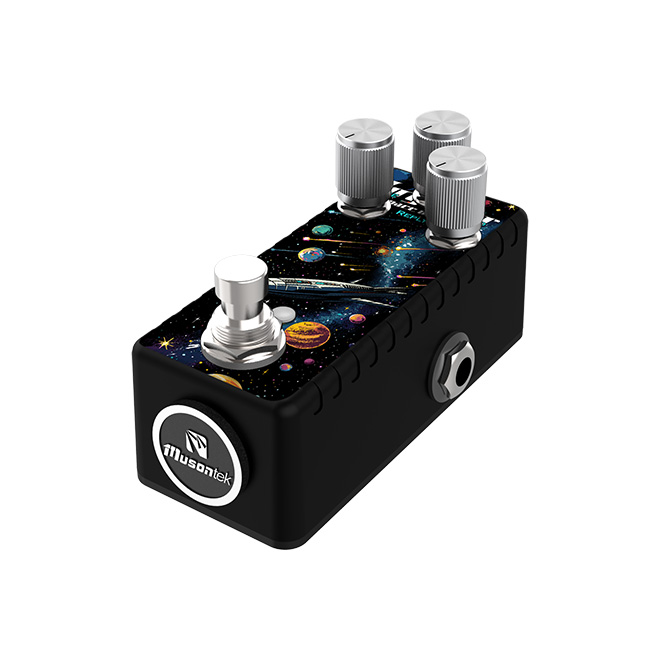
Bass Fuzz Pedals Comparison Table
Price Overview
Bassists often wonder how much a good distortion pedal will cost. Prices vary depending on brand, features, and build quality. Some pedals are cheaper, while others offer more advanced features and are therefore more expensive. Here is a price overview of some top distortion pedals:
| ペダル名 | 価格 |
| Bass Big Muff | $81.40 |
| Green Rhino | $129.99 |
| TS9 | $99.99 |
| OCD | $111.20 |
| Rat 2 | $69.95 |
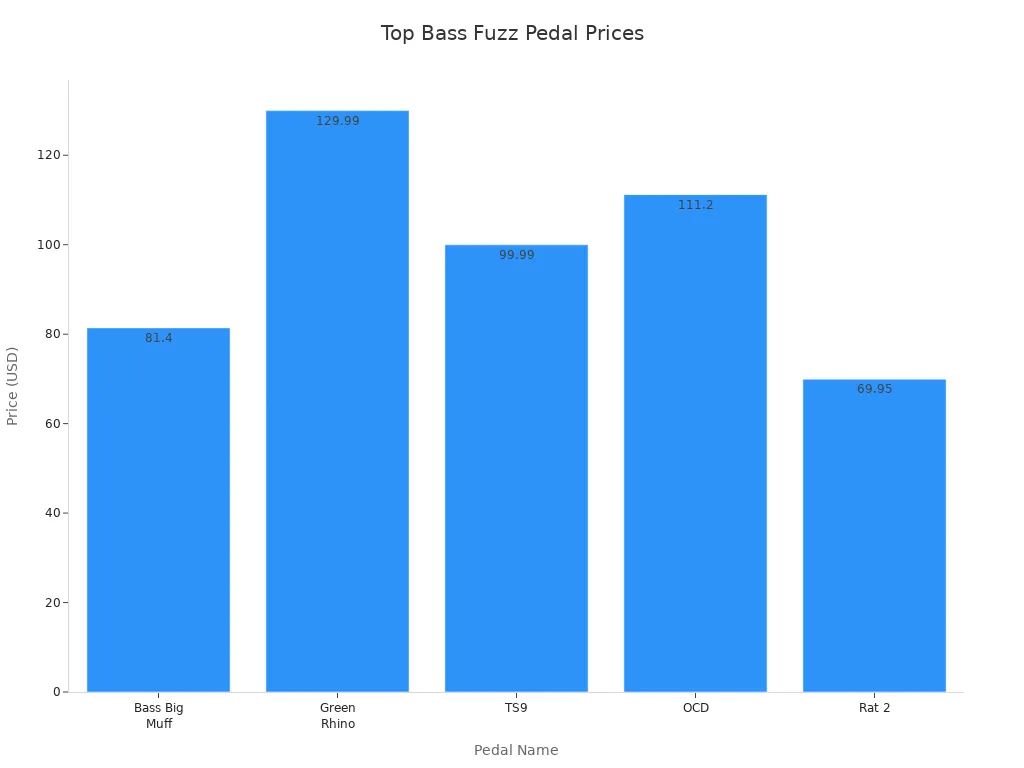
Some distortion pedals are priced under $100, while others are over $150. Users can choose the most suitable distortion pedal based on their budget and needs.
Feature Comparison
Each distortion pedal has its unique features. Some focus on classic distortion tones, while others add modern controls and extra options. The table below compares the main features of popular distortion pedals:
| モデル | タイプ | 主な特徴 | 価格帯 |
| EHX Bass Big Muff Pi | Analog | Dry blend, true bypass, classic tone | $149 |
| Darkglass B7K | Digital-assisted analog | Multi-band EQ, USB connectivity, DI out | $249 |
| Tech 21 SansAmp RBI | Tube-emulating solid-state | Cabinet sim, balanced XLR out, versatile voicing | $199 |
| MXR M85 Super Badass | Analog | Simple layout, high output, rugged build | $129 |
Musicians will find that some distortion pedals offer wet/dry mixing control, true bypass, or multi-band EQ. Others focus on a simple layout and robust construction. These characteristics help bassists shape their own distortion tone and match it to their playing style.
Sound Characteristics
Distortion effects offer bassists a wealth of tonal options. Some effects produce smooth distortion, while others offer rough or aggressive distortion. Here are some tonal characteristics that musicians will notice:
- Thick distortion with strong low frequencies, suitable for heavy music
- Smooth distortion, suitable for classic rock or blues
- Rough distortion, suitable for funk and punk styles
- Aggressive distortion, suitable for experimental or synthesizer effects
- Clean mixing options to keep the bass line clear
Musicians can experiment with different distortion effects to find the distortion tone that suits their music. Each effect has its unique flavor, so bassists can explore and discover new sounds.
Tip: Experiment with effects with different distortion settings. You might find a distortion tone that inspires your next song.
Choosing Your Bass Fuzz Pedal
Playing Style
Every bassist has their own unique playing style. Some prefer a powerful, dynamic sound, while others prefer a softer touch. The right distortion pedal can make a significant difference. Players should look for bass distortion pedals that maintain a clear and powerful bass response. Many bassists use the mix knob to blend clean and distorted tones, which helps maintain a strong bass tone. Adjusting the EQ settings can also prevent a muddy sound. The position of the distortion pedal in the signal chain affects its effect. Players often experiment with different positions to find what best suits their playing style.
- Maintaining clear low frequencies is crucial.
- The mix knob helps blend clean and distorted tones.
- EQ settings can prevent a muddy sound.
- The position of the effect in the signal chain changes the distortion effect.
Musical Style Preferences
Different musical styles require different distortion tones. Rock and metal players often prefer a heavy, powerful distortion tone. Funk and indie musicians may prefer a softer or sharper distortion tone. Some musical styles suit softer distortion, while others require harsher or more aggressive distortion. Musicians should consider the types of music they play most often. The best bass distortion pedals are versatile and can be used in many styles, but some are better suited to specific genres.
Tip: Try listening to songs from your favorite genre. Pay attention to the tone of the distortion effects. This can help you choose the right pedal.
Budget
Bass players can find distortion pedals at almost any price point. Some want a simple pedal, while others seek more features and better build quality. Here’s a brief overview of the various price ranges:
| Price Tier | Examples | Features Description |
| Budget Tier ($50–$99) | Donner Fuzzy Bear, Behringer FG-700 | Basic analog designs, limited fine-tuning, less durable. |
| Mid-Range ($100–$180) | Electro-Harmonix Bass Big Muff Pi, MXR M88 | Balanced performance, proven tone, solid construction. |
| Premium Tier ($200+) | Darkglass Alpha Omega Ultra | Studio-grade tone shaping, multiple voicings, premium components. |
Musicians should set a budget before buying. The best distortion pedal for one musician may not be suitable for another’s budget, but there are good options at every price point.
Testing Pedals
Trying out distortion pedals before buying helps musicians find the right tone. Every bass and amp is different. What works for one person may not work for another. If possible, musicians should try out the pedals with their own equipment. They can try different settings and listen to how the distortion pedal changes the tone. Personal preference is crucial. The best way to find the best bass distortion pedal is to keep trying and trust your ears.
Note: When trying out effects pedals in a store, bring your own bass. This will help you hear how the distortion pedal sounds on your setup.
Bassists have many excellent distortion pedals to choose from. The Musontek GRRR Monster stands out for its innovation, while classics like the Bass Big Muff Pi and ZVEX Woolly Mammoth remain popular. Each pedal has its unique characteristics. Musicians should try different pedals and listen to which one best suits their style. Finding an pedal that matches their tone will give them more confidence to play.
Ready to find your perfect distortion pedal? Head to your local music store, plug in your amp, and let your ears guide you!
よくあるご質問
What factors determine the quality of a bass distortion pedal?
A good bass distortion pedal maintains a strong, powerful low-frequency response and allows the musician to mix clean and distorted tones. Robust construction is also crucial. Many bassists choose pedals that are easy to operate and offer a wide range of tonal options.
Can guitar distortion pedals be used on bass?
Some guitar distortion pedals can be used on bass, but not all are. Many guitar distortion pedals sacrifice low frequencies. Bass-specific effects, on the other hand, maintain bass clarity. Musicians should test pedals with their own equipment to hear the difference.
How does the mix control benefit bassists?
The mix control allows you to blend a clean bass signal with distortion effects, thus maintaining the bass’s original powerful tone. Musicians can add distortion just the right amount without sacrificing clarity. Many bassists appreciate this feature, whether performing live or recording in the studio.
Do all distortion pedals sound the same?
No, distortion effects pedals all have different tones. Some offer a smooth distortion tone, while others sound rough or aggressive. Each pedal has its own unique character. Players should try out several to find the one that suits their style.