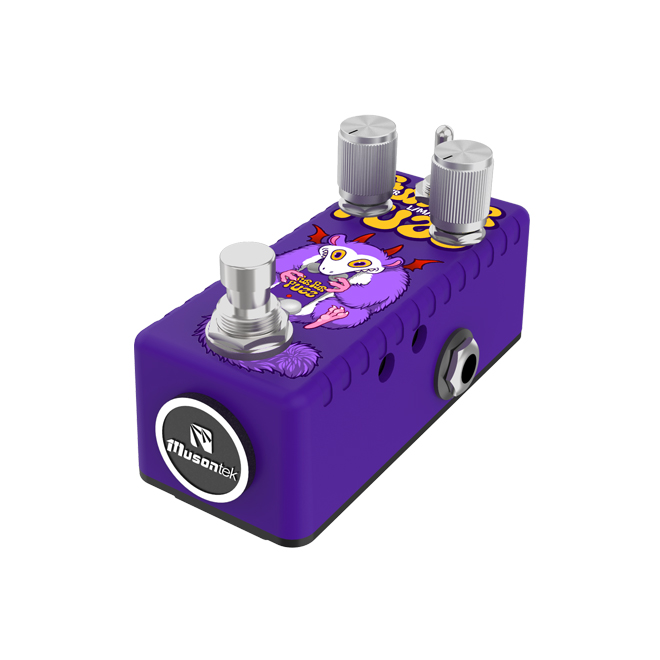
Distortion effects pedals produce a unique and powerful tone by drastically altering the signal of an electric guitar or bass. Musicians use distortion pedals to enhance the distinctiveness and impact of their music. Classic distortion effects can transform a clean signal into a heavy and rugged tone. Many musicians love distortion pedals because they allow them to better express emotion and experiment with different tones. There are both classic distortion pedals and newer ones like the Musontek GRRR Monster available; there’s something for everyone. Understanding how distortion pedals change tone helps both beginners and experienced musicians find more creative ways to use distortion.
Principaux enseignements
- Fuzz pedals change the tone of a guitar, making it heavier and rugged. This tone is easily noticeable in songs.
- Distortion pedals use different transistors. Germanium transistors and silicon transistors affect the warmth or sharpness of the tone.
- Musicians can use distortion pedals to experiment with a variety of musical styles. These pedals are well-suited for rock, metal, and indie music.
- When choosing a distortion pedal, you need to carefully examine its features. You should consider its tone and whether it matches your playing style.
- You can try different settings and devices. This will help you find the distortion tone that best suits your music.
How Fuzz Pedals Work
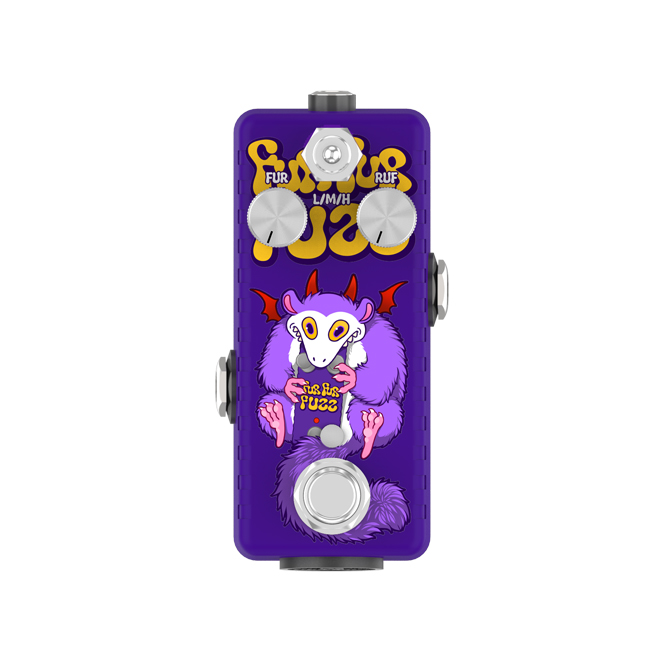
Signal Clipping Explained
Distortion pedals change the tone of a guitar through a process called signal clipping. This process occurs inside the pedal’s circuitry. When the player plucks the strings, the pedal pushes the clean signal past its normal limits. The result is a rough, humming sound that stands out in any mix.
Many distortion pedals use special electronic components to achieve this effect.
- The Fuzz Face circuit uses PNP germanium transistors. These transistors can produce soft clipping and hard clipping, depending on the strength of the input signal and the setting of the distortion knob.
- When the transistors reach their limits, they change the shape of the sound wave. This creates new harmonics and gives the distortion pedal its unique tone.
- Some effects pedals, such as Astrotone, use silicon transistors to amplify the signal. Two silicon diodes then clip the peaks in the waveform, making the sound more distorted.
Transistors play a crucial role in how distortion pedals work. Germanium transistors produce a warmer, smoother sound. Silicon transistors, on the other hand, make the distortion pedal sound brighter and more aggressive. How the pedal biases these transistors affects the distortion pedal’s response to playing and how well it integrates into a song.
Tip: The type of transistor inside a distortion pedal affects its response to playing. Musicians who want a classic, smooth distortion effect typically choose germanium transistors. Musicians who want a sharper, more modern distortion effect tend to choose silicon transistors.
The clipping process in distortion pedals differs from that of other guitar effects pedals. The table below compares distortion and overdrive effects:
| Fonctionnalité | Fuzz Pedals | Pédales d'overdrive |
| Components Used | Transistors | Op-amps |
| Clipping Type | Aggressive and complete clipping of the waveform | Soft clipping with diodes |
| Sound Characteristic | Lower-fidelity tone, rich harmonics | Smoother tone, rounded peaks |
Fuzz Effects on Guitar Tone
Distortion effects allow guitarists to change tone in bold ways. When a guitarist turns on a distortion effect, the tone becomes thicker and rougher. The effect adds many new harmonics, making the guitar tone fuller and more powerful.
The internal circuitry of the effect affects the final tone.
- Germanium transistors make the distortion tone warm and mellow.
- Silicon transistors deliver a clearer, sharper distortion tone.
- Effect pedals adjust the bias of the transistors to change the response of the distortion effect and how it blends with other sounds.
Transistors act as amplifiers and gain stages, controlling the intensity of distortion effects. Parameters of these transistors, such as hFE and noise, help shape the tone. Resistance and capacitance contribute to signal shaping, but the transistors determine the primary tone.
Musicians use distortion pedals to achieve a variety of different tones. Some want classic vintage distortion, while others want modern, aggressive distortion. The pedals allow them to explore new styles and tonal textures. Distortion effects can make solos stand out or add depth to rhythmic sections.
Note: Distortion pedals are suitable for electric guitars and basses. They help musicians create new tones and push the boundaries of music.
Note: Distortion pedals are suitable for electric guitars and basses. They help musicians create new tones and push the boundaries of music.
For musicians wanting to experiment with guitar effects, distortion pedals remain their go-to choice. The powerful and unique tone of distortion can inspire creativity and help musicians find their own sound.
Fuzz Pedal Sound & Genres
Iconic Fuzz Tones
Many guitarists can recognize the sound of a fuzz box in classic songs. The Fuzz Face is a classic example, giving guitarists a warm yet rugged tone that shaped the style of rock music. Jimi Hendrix used a Fuzz Face to create a wild sound in “Purple Haze.” Dave Davies of The Kinks popularized the fuzz box with “You Really Got Me.” Robby Krieger of The Doors added distortion to “When The Music’s Over,” giving the guitar a unique tone.
The Big Muff also changed guitar music. It provides extremely long sustain and deep bass. Players can hear a full, singing tone, as well as a roaring, mixed sound. Pete Townshend of The Who used distortion effects in songs like “Water” to enhance his aggressive playing style. Eric Brann of Iron Butterfly used heavy distortion in “In-A-Gadda-Da-Vida.” Ron Asheton of The Stooges used distortion effects in “I Wanna Be Your Dog,” contributing to the development of early metal.
Modern musicians are constantly seeking new distortion tones. The Musontek GRRR Monster effect pedal can provide guitarists with a powerful and dynamic tone. It adapts to different playing styles and performs exceptionally well in both live performances and studio recordings.
Tip: Guitarists can use distortion effects to highlight solos or add depth to rhythmic sections.
Popular Genres for Fuzz
Distortion effects are widely used in various musical styles. Rock bands use distortion effects to create powerful and memorable guitar riffs. Metal bands rely on distortion effects for a heavy, impactful tone. Indie rock musicians choose distortion effects to create novel sounds. Psychedelic rock bands use distortion effects to create a dreamlike, psychedelic effect. Garage rock musicians love the raw energy of distortion effects. Electronic music producers add distortion effects to tracks to increase layering and impact.
Musicians use distortion effects in both live performances and studio recordings. On stage, distortion effects help guitars stand out in the mix. In the studio, musicians experiment with different distortion effects to find new tones and record unique sounds. The Musontek GRRR Monster effect is versatile, suitable for various musical styles, and is a top choice for creative guitarists.
Note: Classic fuzz effects like the Fuzz Face and Big Muff continue to inspire a new generation of guitarists.
Fuzz vs. Other Distortion Pedals
Fuzz vs. Overdrive
FAZI and overdrive effects alter guitar tone in different ways. FAZI effects produce a thick, rough tone, sounding somewhat dirty and even distorted. Some FAZI effects, such as the BOSS FZ-5, sound almost like noise, like a broken hiss, sometimes not even like a guitar. Overdrive effects, on the other hand, simulate the sound of a tube amplifier pushed to its limit, providing a smoother, more natural distortion effect. This effect is softer, making the guitar tone warmer and fuller while maintaining clarity.
- FAZI effects were the first type of distortion effect.
- Famous distortion tracks include The Rolling Stones’ “(I Can’t Get No) Satisfaction” and Jimi Hendrix’s “Foxy Lady.”
- Overdrive effects are suitable for blues and classic rock. Distortion effects are well-suited for 60s garage rock and psychedelic rock bands.
Distortion pedals use different methods to boost and clip sound. These choices change how the pedal shapes the tone. Overdrive pedals typically use diodes in the feedback loop. This makes the clipping effect smoother. Distortion pedals use transistors, and sometimes diodes, for a stronger clipping effect. Each pedal changes how sound travels through frequencies. The final tone can be drastically different.
Tip: Musicians who want a wild and realistic distortion effect will choose a distortion pedal. Musicians who want a smoother effect will choose an overdrive pedal.
Fuzz vs. Big Muff
The Big Muff is one of the most famous distortion pedals. Electro Harmonix has produced nearly 30 Big Muff models. Many brands have produced imitations, such as the Supa ToneBender and Ibanez OD-850. The Big Muff has shaped many musical styles, especially rock. Its powerful, full sound can give guitarists a roaring tone and long sustain.
| Fonctionnalité | Detail |
| Variants | Nearly thirty models by Electro Harmonix |
| Clones | Supa ToneBender, Ibanez OD-850, and others |
| Influence | Shaped rock and inspired many musicians |
Big Muff-style distortion effects are simple and versatile. Guitarists and engineers love its raw circuitry because it’s easy to modify. Many have experimented with Big Muff to create new sounds. Big Muff alters how sound propagates in frequencies, giving it a rich, singing tone. Musicians use it for solos and rhythm sections in rock, metal, and indie music.
- Big Muff is known for its powerful distortion and long sustain.
- Its design facilitates a wide range of experiments.
- While the Tone Bender is also a classic distortion effect, Big Muff has had a greater impact on modern music.
Some musicians compare Big Muff to other distortion effects. Big Muff produces a smoother, more controllable distortion tone, while Tone Bender delivers a rougher, sharper tone. Big Muff-style distortion effects are ideal for both live performances and studio recording. Many musicians choose Big Muff for its powerful tone and reliable performance.
Note: Big Muff continues to inspire many guitarists. From classic rock to heavy metal, its tone has remained timeless across a wide range of musical styles.
Choosing the Best Fuzz Pedals
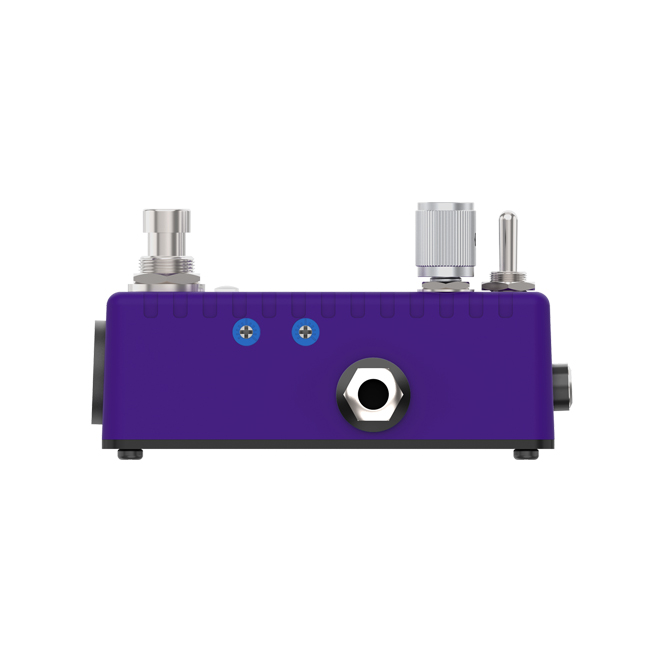
Choosing the right distortion pedal can help musicians shape their tone and express their personal style. There are many options available, from classic models to newer ones like the Musontek GRRR Monster. Musicians want to find an effects pedal that meets their needs, stays within their budget, and is durable.
Caractéristiques à prendre en compte
Musicians should consider the following aspects before choosing a distortion pedal. The type of distortion circuitry is crucial, as are the control options and the pedal’s build quality. Some pedals deliver a vintage tone, while others create a modern tone or add other effects. The table below lists common distortion effects and their characteristics:
| Type of Fuzz Pedal | Caractéristiques |
| Germanium Fuzz | Warm, vintage-inspired tones; smooth, organic fuzz; sensitive to temperature changes |
| Silicon Fuzz | Sharper, aggressive sound; tight bottom end; stable in different temperatures |
| Big Muff-style Fuzz | Scooped midrange; long sustain; controls for volume, sustain, and tone |
| Fuzz Face-style Fuzz | Smooth, organic fuzz; simple controls; responds to guitar volume and playing dynamics |
| Octave Fuzz | Adds octave-up effect; creates experimental and psychedelic tones |
| Tone Bender-style Fuzz | Wide range of tones; can be smooth or gritty; different versions with unique traits |
| Hybrid Fuzz | Combines fuzz with other effects; offers a broad sonic palette |
| Multi-mode Fuzz | Multiple fuzz flavors in one unit; allows for experimentation |
| Fuzz/Distortion Combos | Mixes fuzz and distortion; delivers sounds from mild clipping to heavy fuzz |
Musicians should consider price and pedal durability. Lower-priced distortion pedals are suitable for beginners. High-end pedals like the Musontek GRRR Monster use better components and are more feature-rich. They are more durable and suitable for touring musicians.
It’s also important whether the pedal matches your playing style. Some distortion pedals are better suited to specific musical styles. Blues and classic rock musicians might prefer germanium distortion for its warm tone. Metal or acclimatization musicians might opt for silicon or operational amplifier distortion for a more powerful tone. Musicians should test pedal compatibility with their guitars and other equipment.
Tip: Consider the tone, pedal response, and whether it suits your playing style. Adjustable sustain, octave shift, and blending controls can help you find your own unique tone.
Tips for Using Fuzz Pedals
Mastering distortion pedals requires practice and skill. Some people believe that all effects pedals sound the same, but in reality, different guitars, amps, and other pedals will affect the tone. Testing the pedal with your own equipment will help you understand the desired effect.
Here are some tips for achieving the best distortion tone:
- Adjust your amp’s EQ settings to match the distortion pedal. This helps to bring out the guitar’s tone.
- Experiment with using the EQ before or after the distortion pedal to shape the tone.
- Add an overdrive pedal after the distortion pedal to control harshness.
- Use a looper to switch between clean and distorted tones during a performance.
- Move the microphone while recording to get new distortion tones.
- If the distortion pedal is at the very front and has no buffer circuitry, set the impedance to 22kΩ.
- Keep the drive low for a classic distortion tone, typically between 2 and 3.
- Cut off high frequencies and set the low-pass filter between 2000 and 2500 Hz for a smoother tone.
- Maintaining a wet/dry mix ratio between 50% and 70% will result in clearer notes.
- Adjust the bias if needed to add graininess or popping effects.
Musicians can address this by adding a buffer before the effect or using a separate power supply. Noise gates can help suppress background noise from high gain. Placing noisy effects in a true bypass loop or using an isolator can eliminate hum and hiss.
Note: The Musontek GRRR Monster is known for its ruggedness and versatility. It’s suitable for a wide range of musical styles and features easy-to-control tone adjustments. Musicians should experiment with different distortion effects and settings to find the best fit for their style.
Distortion effects can alter the tone of electric guitars and basses. They make music rougher, more powerful, and add new layers. Musicians can choose a distortion pedal that suits their style, thus unleashing more creativity.
“Distortion pedals can make simple notes stand out and sound more impactful. You don’t need to complicate things.” “Octave distortion pedals are really cool. Jimi Hendrix made it famous. It has all that peculiar, heavy distortion tone and blends in a soft extra octave.” “Distortion pedals are great for bassists. They can make the bass rougher and change the bass’s dominant tone.”
Newer pedals like the Musontek GRRR Monster allow musicians to experiment with new tones and musical styles.
- The GRRR Monster offers a rich selection of tones for different musical styles.
- Good distortion pedals can help musicians better express emotion and create a unique clean sound.
Musicians should experiment with different distortion pedals to see which one best suits their musical style.
FAQ
How does a distortion pedal affect guitar tone?
A distortion pedal alters the guitar signal, making the tone thicker, rougher, and slightly hummer. Musicians use distortion pedals to create powerful and unique tones that stand out in their music.
Can bassists use distortion pedals?
Bassists use distortion pedals to add texture and definition to their tone. This pedal makes bass sounds thicker and more powerful. Many bassists choose to use distortion pedals in rock, metal, and experimental music.
What makes the Musontek GRRR Monster unique compared to other distortion pedals?
The Musontek GRRR Monster offers dynamic tone and easy control, adaptable to different playing styles. Due to its durability and versatility, musicians use it for both live performances and studio recordings.
Where should a distortion pedal be placed in an effects chain?
| Position | Result |
| Première | Pure fuzz, strong response |
| After buffer | May change fuzz character |
| After overdrive | Smoother, blended sound |
Most players put fuzz pedals first for the best effect.