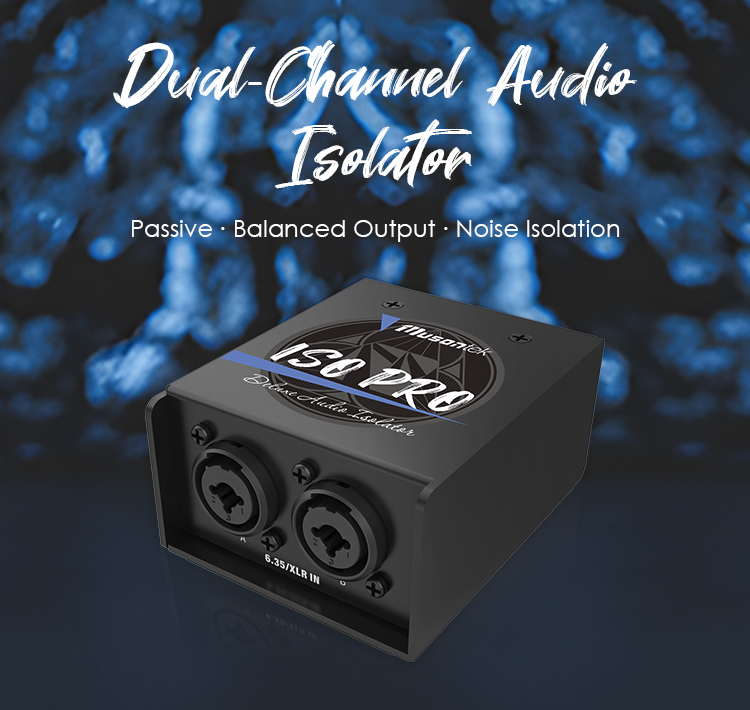
Ground loop isolators eliminate ground loop noise in audio systems. These devices eliminate hum and hiss, allowing for clear sound. Ground loop noise is common in car audio, home theater, and professional audio systems. Many experts believe that ground loops can originate from external electromagnetic fields, poor grounding, or inconsistent levels between devices. These problems can cause a persistent hum or chirp in music. Noise isolator keep the signal pure, allowing you to enjoy your listening experience.
Principaux enseignements
- Ground loop isolators eliminate unwanted hum and hiss in audio systems, thus improving sound quality. These devices work by blocking the circuit path that causes ground loop noise. They utilize transformers to maintain signal purity. Choosing a high-quality isolator, such as the Musontek ISO2C, can significantly improve sound quality. It is also suitable for a variety of different audio systems. Ground loop isolators play an important role in car, home theater, and professional audio systems. They are essential when you add new equipment. Always check your grounding and cabling. This helps you get the most out of your ground loop isolator and maintain clear sound.
Fonctionnement des isolateurs de boucle de terre
Qu'est-ce que le bruit de boucle de terre ?
Ground loop noise is a persistent hum or hiss in a speaker. This occurs when devices share a ground wire but use different paths. These paths form a loop, causing unwanted current to flow between the devices. This noise is easily heard, especially at low music volumes.
- Ground loop noise typically sounds like a low-frequency hum at 50 or 60 Hz, matching the frequency of the power grid.
- Voltage differences at the grounding point cause this noise and allow current to flow through cables or metal casings.
- This hum can be very loud, sometimes even 60 dB lower than the music volume.
- High-frequency hum or distortion can also occur, especially when using unbalanced cables.
| Symptom | Description |
| 50/60Hz Hum | A steady, low hum that matches the power grid. |
| Buzzing Sounds | High-pitched buzzing or crackling, often with extra tones. |
| Radio Frequency Interference | In bad cases, ground loops can pick up radio signals or other interference. |
How ground loop isolators break the loop
Ground loop isolators block unwanted current paths between devices. This breaks the loop and eliminates noise. Isolators use special transformers to isolate input and output signals. The transformer allows audio signals to pass through but blocks unwanted currents that cause noise.
- Ground loop isolators prevent unwanted currents while ensuring system safety.
- They use transformers or capacitive coupling to break the direct path between the device and ground.
- This circuit break prevents ground loops from damaging sound quality.
The principle is simple. The transformer inside the isolator uses a magnetic field instead of wires to transmit audio signals. This maintains signal strength and clarity while eliminating hum and hiss.
Inside a ground loop isolator
A ground loop isolator contains one or more electromagnetic transformers. These transformers have copper wire wound around a metal core. When an audio signal is input, the transformer generates a magnetic field. This field transmits the signal to the output but prevents direct current flow. This design breaks the ground connection, thus eliminating ground loop noise.
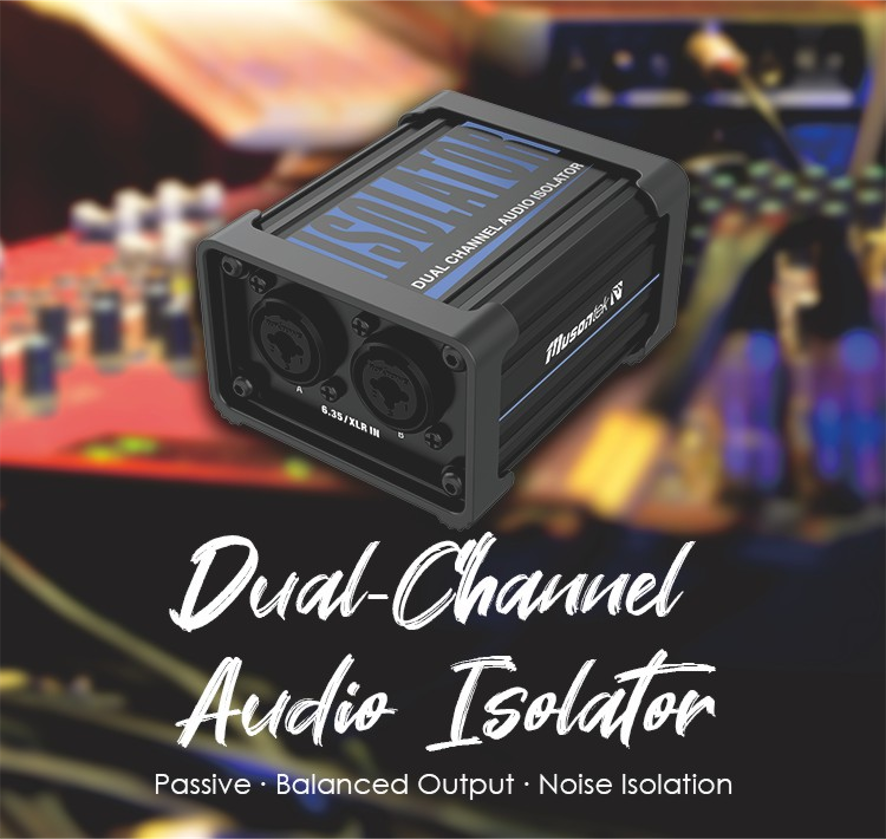
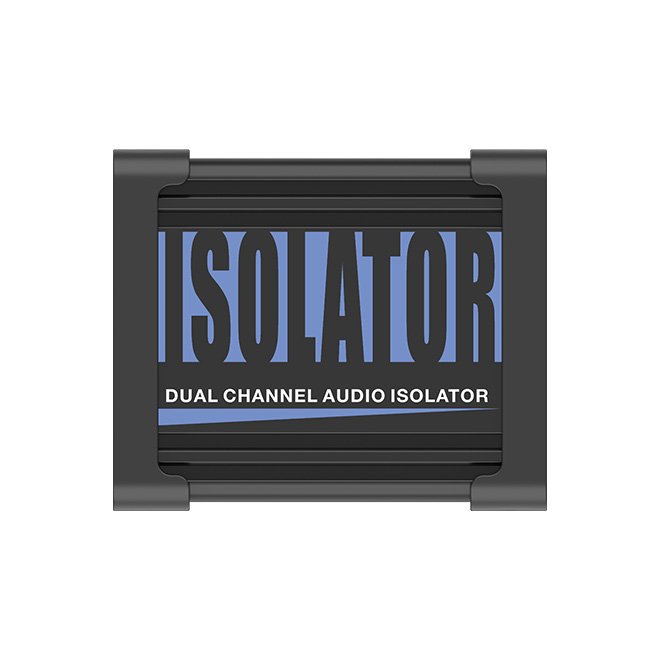
The Musontek ISO2C ground loop isolator is a good example. Its dual-channel design allows it to handle stereo signals or two audio lines simultaneously. The ISO2C uses a high-quality isolation transformer for optimal sound quality. It is compatible with both balanced and unbalanced signals, making it suitable for a variety of audio systems. Plug-and-play functionality means no additional power supply or complex setup is required. The ISO2C also features a self-boosting ground mode to eliminate ground loops for even better sound quality.
The table below compares the Musontek ISO2C with other brands:
| Spécifications | Musontek ISO2C | Other Brands |
| Frequency response | ±0.3dB (20Hz-20kHz) | ±1dB to ±3dB |
| Dynamic range | >130dB | >100dB |
| Maximum input | +21dBu | +15dBu |
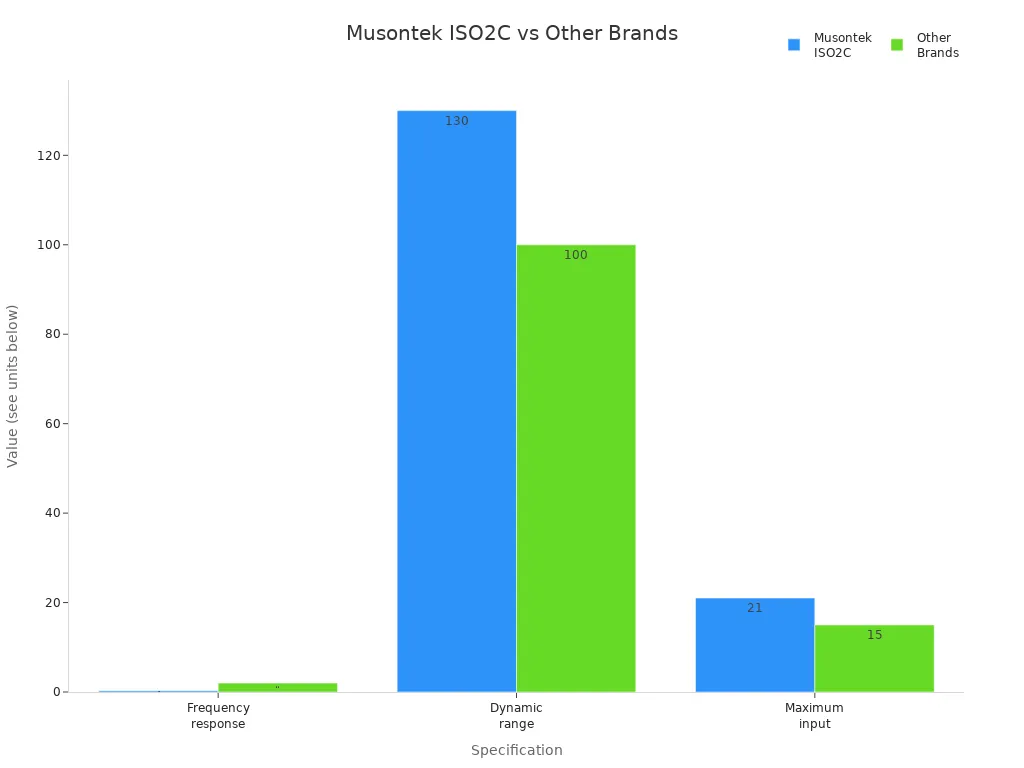
Ground loop isolators like the ISO2C are ideal for home or professional use. They help users achieve clear sound in any audio setup. Ground loop noise isolators are crucial for maintaining good sound quality, ensuring every note and word is clearly discernible.
Effectiveness of ground loop noise isolators
When ground loop isolators solve noise issues
Ground loop isolators can help when you hear hum or hissing. They also work if there is high-frequency feedback in your speakers. These sounds can occur in car audio, home theater, or professional audio systems. Many people notice ground loop noise after adding new equipment. This noise can also occur when devices are connected to different power sources. In such cases, using a ground loop isolator can quickly eliminate the hum or howling sound.
Many audio systems experience performance improvements after using a ground loop isolator. The table below lists the functions of these devices.
| Segment Type | Description | Benefits |
|---|---|---|
| OEM | Original Equipment Manufacturer | Makes sure audio systems work well and have no interference, especially in fancy cars. |
| Aftermarket | Upgrades for existing audio systems | Helps remove noise, makes sound better, and fits many people’s needs. |
Ground loop isolators are used to troubleshoot problems in new or upgraded systems. These devices eliminate hum and howling, improving sound quality and making music and vocals clearer.
Limitations and alternative solutions
Ground loop isolators don’t solve all noise problems. Some noise doesn’t just come from the ground loop, but from other sources. Here are some limitations:
- Ground loop isolators may slightly attenuate the signal.
- Some isolators may lose low-frequency sounds, especially inexpensive ones.
- Inexpensive isolators may increase noise or degrade sound quality.
- They cannot eliminate noise from poor power supplies or radio signals.
If ground loop isolators don’t solve the noise problem, try other methods. The following table lists some options:
| Solution | Description |
| Isolated USB cables | These cables help stop noise from USB power problems. |
| iFi iDefender3.0 | This tool breaks the USB power and needs a quiet power supply. |
| External power supplies | Using a quiet power supply can help lower noise in your system. |
Users should check the grounding and use high-quality cables. These measures help maintain clear sound and eliminate hum or howling. Ground loop isolators perform best with proper setup and careful use.
Ground loop isolators Impact on sound quality and safety
Do ground loop isolators affect audio quality?
A ground loop isolator can change the sound quality of music. Some people will notice this change after use. The device can eliminate ground loop noise, but it can also change how the music sounds. Some models reduce bass, making songs sound less full. Other models will make the music sound like a radio. This is because the isolator may block certain sounds or add additional noise.
- After using a ground loop isolator, the -3 dB point may shift from 2.8 Hz to 46 Hz.
- Sounds below 2.2 kHz may become weaker, so the music sounds less rich.
- Many people will feel that the bass and depth in songs are reduced.
- If the sound does not remain unchanged, some people will return it.
High-quality ground loop isolators can maintain the clarity of most sounds and eliminate hum. Users should choose an isolator that suits their audio needs.
Are ground loop isolators safe to use?
Ground loop isolators are designed to ensure safety. They protect people and audio equipment. Many products come with safety labels indicating they are suitable for home and recording studio use.
| Certification Type | Description |
| CE Certification | Follows European safety and EMC rules |
| UL Certification | Meets North American safety standards |
| Hazardous Locations Certification | Safe for places with explosions or other risks |
Users can safely use ground loop isolators at home or in the recording studio. These devices do not require an external power source, thus reducing the likelihood of electrical failures.
Common myths about ground loop isolators
Some people misunderstand ground loop isolators. They believe these devices always worsen sound or fail to eliminate noise. However, a good isolator can eliminate hum without compromising music quality. Another misconception is that all isolators are equally effective. In fact, some models are better than others. Users should choose an isolator that suits their system and maintains musical clarity.
Tip: Try listening before and after adding a ground loop isolator. This will help you find the best isolator for your equipment.
Ground loop isolators help people enjoy music and movies without additional noise. They maintain high-quality sound and protect your audio equipment.
Choosing a ground loop isolator
What to look for in ground loop noise isolators
Before purchasing a ground loop isolator, users need to check the following points. Choosing the right isolator can eliminate ground loop noise and maintain good music quality.
- Choose a model with a high-quality transformer. A high-quality transformer maintains the purity of the sound.
- If needed, ensure it can handle both balanced and unbalanced signals simultaneously.
- Choose an isolator with a wide frequency response range. This helps enhance the fullness of the music.
- Choose an easy-to-install isolator. Plug-and-play isolators are very convenient to use.
- Check its compatibility with your car audio, home audio, or professional equipment.
What makes the Musontek ISO2C special is its ability to handle two channels simultaneously. It’s suitable for a variety of audio systems. Its self-boosting grounding mode and powerful transformer help maintain clear music and eliminate hum.
Tip: A good ground loop isolator should improve sound quality without sacrificing bass or treble.
Cost and compatibility
Ground loop isolators vary in price. Some are under $20, while others are closer to $30. The table below lists some popular models and their prices:
| Product Name | Prix |
| ISO210 Ground Loop Isolator | $19.95 |
| Video Ground Loop Isolator | $29.00 |
| TII-442C Grounding Module | $29.00 |
Be sure to check that the isolator is compatible with your equipment. Some isolators are best suited for USB audio, while others are suitable for RCA or XLR connectors. The Musontek ISO2C can handle both balanced and unbalanced signals, making it an ideal choice for many users.
When to use a ground loop isolator
If your speakers are humming or hissing, you should use a ground loop isolator. This device is suitable for automotive, home theater, and professional audio systems. It is especially effective when new equipment is generating noise or when connected to different power sources.
Ground loop isolators are a simple way to solve many noise problems. Users seeking optimal sound quality should also check their cables and grounding. A suitable isolator, such as the Musontek ISO2C, can significantly improve the performance of any audio system.
Ground loop isolators eliminate hum and hiss, resulting in clearer sound. They also protect audio equipment and enhance the sound quality of music. These devices enhance the clarity and focus of sound and help control different parts of the music.
| Metric | Benefit Description |
| Greater sound clarity | A better signal path gives you clear, open sound. |
| Increased focus | Music sounds more real and focused when you listen. |
| Frequency discipline | Good control of sound frequencies makes music sound great. |
Before purchasing, you should:
- Confirm if the noise is coming from a ground loop.
- Understand the connection method and voltage used by your system.
- Check product details and refer to other users’ reviews.
Use a high-quality isolator and ensure proper grounding for optimal sound quality.