A pédale de compression helps guitarists get a balanced sound. It makes quiet notes louder. It makes loud notes softer. Many audio engineers say this effect lowers the dynamic range of the guitar signal.
-
The pedal boosts soft notes and smooths sharp peaks.
-
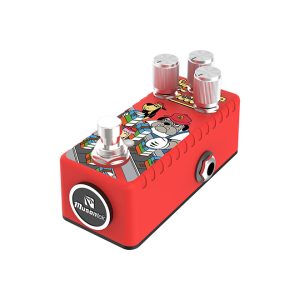
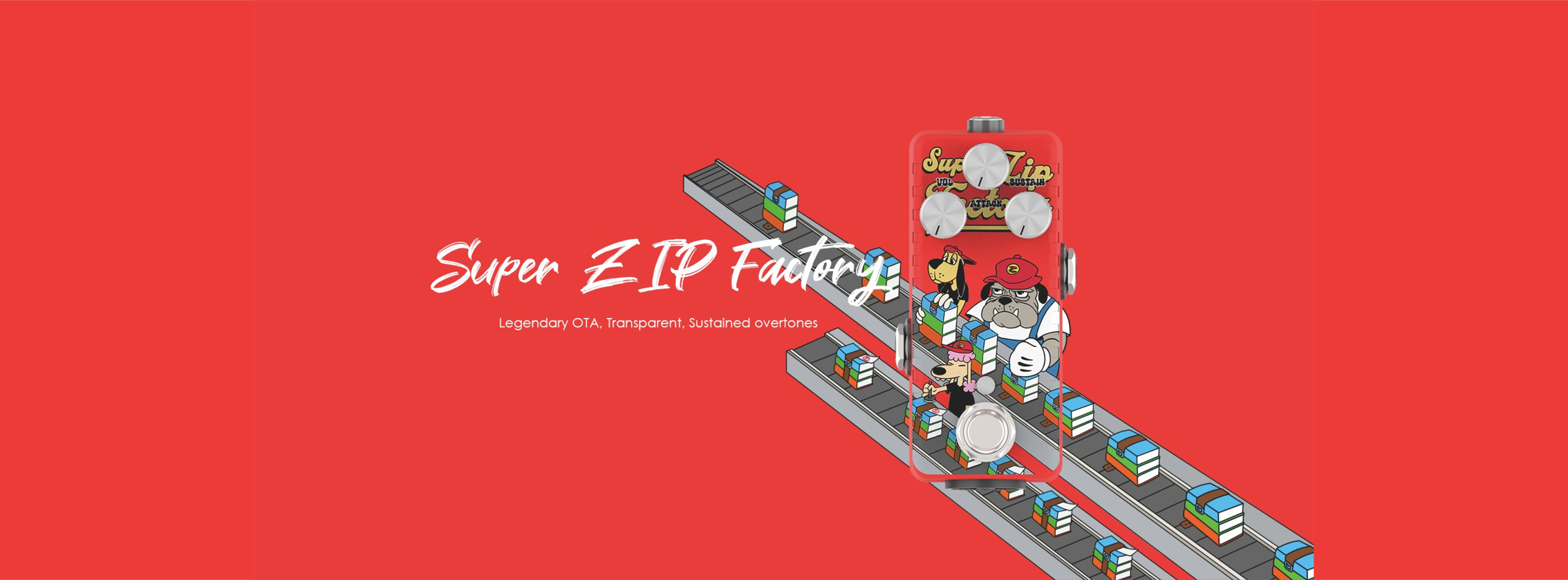
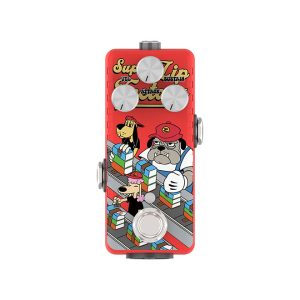
Attack time controls let players change how much of the note’s first punch stays in the mix. Musontek’s Dynamics – Super ZlP Factory is a great choice for people who want a clear and steady tone.

Principaux enseignements
-
A compression pedal evens out guitar sound. It makes soft notes louder. It makes loud notes softer. This gives a smoother tone.
-
Put the pedal first in the signal chain. This keeps the sound clear. It stops unwanted noise. It helps keep the volume steady.
-
Compression helps notes last longer. Notes ring out more. This is good for solos and lead parts.
-
Try different settings like threshold and ratio. You can also change attack and release. This helps guitarists find their best sound for each style.
-
Using a compression pedal helps you play better. It gives more control over volume changes. It makes notes sound clearer.
What is a compression pedal?
The Compressor’s Role in Your Guitar Signal Chain
A compression pedal helps guitarists keep their volume steady. It usually goes first in the signal chain. Many guitarists put it there to even out their notes. This makes picking easier and keeps the guitar’s sound clear. When the pedal is first, it stops notes from being too loud or too soft. Players who like clean sounds get a smooth tone with no harsh spikes. If you put the compressor after other effects, it can change your natural sound. It can also make overdrive less lively. Some people use a compressor after drive pedals to keep their sound steady. This helps when you turn down the guitar’s volume knob.
Dynamic range means the difference between the loudest and quietest sounds. It is measured in decibels (dB). More dynamic range gives more space before distortion. This helps keep the sound clear.
Understanding Dynamic Range and Why It Matters for Guitar
Dynamic range is the gap between the loudest and quietest guitar sounds. A big dynamic range lets you play louder without distortion. This is important for electric guitars. It lets you use strong pickups or effects and still sound real. A compression pedal controls this range. It makes quiet notes louder and loud notes softer. This keeps your sound balanced and clear.
Here is a table showing what a compression pedal does:
|
Fonction |
Description |
|---|---|
|
Threshold |
Sets when the pedal starts lowering the signal’s volume. |
|
Ratio |
Decides how much the pedal lowers the sound after the threshold. |
|
Compression |
Changes how strong the effect is on your sound. |
|
Attack |
Sets how fast the pedal works after the sound gets loud. |
|
Release |
Decides how long the effect lasts after the sound gets quiet. |
|
Knee |
Shows if the effect starts suddenly or slowly. |
|
Blend |
Mixes the original and changed sounds to keep some natural feel. |
A compression pedal lets guitarists change these settings. It helps them get the sound they want at home, on stage, or in the studio.
How a Compression Pedal Works
Compression Basics
A compression pedal changes the way a guitar sounds by controlling the volume of each note. It listens to the signal from the guitar and decides if the sound is too loud or too soft. When the signal goes above a set level, called the threshold, the pedal reduces the volume. This process makes the sound more even and helps every note stand out.
-
Compression makes the audio signal more consistent by checking the incoming signal against the threshold.
-
The pedal reduces the volume based on a ratio. For example, a 4:1 ratio means that for every 4 decibels over the threshold, only 1 decibel passes through.
-
Makeup gain brings the overall volume back up after compression.
The Musontek Dynamics – Super ZlP Factory uses these principles to give guitarists control over their sound. It offers both gentle and strong compression, so players can choose what fits their style. The pedal keeps the original tone clear and natural, which helps musicians sound their best.
Traitement du signal
When a guitarist plays, the compression pedal works in real time. The pedal checks each note and decides if it needs to lower the volume. If a note is too loud, the pedal compresses it. If a note is too soft, the pedal can boost it. This process happens quickly, so the player hears a smooth and balanced sound.
The Musontek Dynamics – Super ZlP Factory stands out because it gives users easy-to-use controls. Players can adjust the settings to match their needs. The pedal works well for clean sounds and solos. It also helps in live shows, studio recordings, and practice sessions at home. The pedal’s design focuses on keeping the sound clear while managing the dynamics.
Compression Pedal Controls
A compression pedal has several controls that shape the final sound. Each control affects how the pedal responds to the guitar signal.
|
Control |
Description |
|---|---|
|
Threshold |
Sets the level where compression starts. Only signals above this level get compressed. |
|
Attack Time |
Decides how fast the pedal reacts after the signal passes the threshold. Fast attack smooths peaks; slow attack keeps the punch. |
|
Release Time |
Controls how long the compression lasts after the signal drops below the threshold. Longer release can prevent noise between notes. |
|
Taux de compression |
Sets how much the pedal reduces the volume. Higher ratios mean stronger compression. |
|
Output Gain |
Raises the overall volume after compression, so the sound stays loud and clear. |
-
Threshold at 0dB compresses only the loudest signals. Settings between -2dB and -5dB give more compression.
-
A 2:1 ratio cuts the output of signals above the threshold in half. Many players start with a 3:1 ratio.
-
A slower attack lets the first part of the note come through, making the sound punchier. Fast attack smooths out sharp peaks.
-
Medium release time works well to avoid compressing quiet notes that follow loud ones.
The Musontek Dynamics – Super ZlP Factory gives guitarists full control over these settings. Players can fine-tune the pedal to get the exact sound they want. The pedal’s transparent compression keeps the guitar’s natural tone while making the volume steady.
Tip: Try different settings to find what works best for your playing style. Start with moderate threshold and ratio, then adjust attack and release to shape your sound.
Sound Effects
compression pedals can make Smoothing Dynamics
A compression pedal helps guitarists control how loud they play. It makes sudden changes in volume less noticeable. Studies show these pedals lower the dynamic range of a guitar signal. They use special circuits to keep loud sounds from being too strong and make quiet sounds louder. This gives a steady sound that feels smooth and finished.
-
The pedal lowers loud spikes, so sharp notes do not stick out.
-
It makes soft notes louder, so they are easier to hear.
-
Downwards compression stops sudden jumps in volume above a set level.
-
Upwards compression makes quiet notes louder, so every note is clear.
Musontek Dynamics – Super ZlP Factory uses these ideas to give players a smooth sound. Guitarists notice their sound is more controlled and not too harsh. This works well for both rhythm and lead playing.
Tip: Smoothing dynamics helps guitarists play with more confidence. Every note is clear, even if you pick softer or harder.
Enhancing Sustain by using compression pedals
Sustain means how long a note keeps ringing after you play it. Many guitarists want longer sustain for solos and melodies. A compression pedal helps notes last longer by keeping their volume steady as they fade. The pedal boosts the sound when it starts to get quiet, so the note stays longer.
Musontek Dynamics – Super ZlP Factory is great at making sustain better. Players can change the attack and release controls to shape the sound. Fast attack settings help notes start strong. Longer release times keep the note going as it fades. This is good for clean sounds and solos that need feeling.
|
Setting |
Effect on Sustain |
|---|---|
|
Attaque rapide |
Keeps the start of the note clear |
|
Slow Release |
Makes the end of the note last longer |
|
Higher Ratio |
Makes the note last even longer |
Guitarists use these settings to get smooth, singing notes. The pedal helps every note be heard, even when there are lots of sounds.
The Role of Compression in Clean vs. Overdriven Sounds
Compression changes clean and overdriven guitar sounds in different ways. On clean sounds, the pedal makes the music smooth and even. It takes away harsh peaks and fills in quiet parts. This helps chords and single notes sound balanced.
On overdriven sounds, compression gives more control and focus. Distorted sounds often have strong spikes and uneven volume. The pedal tames these, so the sound stays tight and strong. Musontek Dynamics – Super ZlP Factory keeps the tone natural, even with lots of compression.
-
Clean sounds become smoother and more professional.
-
Overdriven sounds get more clear and last longer.
-
The pedal works for many styles, like funk and rock.
Note: Players can try different compression settings to find what works best for them. Both clean and overdriven sounds get better with careful changes.
Benefits for Guitarists by using Compression Pedals
Achieving a More Consistent Overall Volume
Guitarists sometimes have trouble with their volume going up and down. A compression pedal helps keep the volume steady. This is important when playing on stage. It makes the sound clear and easy to hear. In big places, changing volume can bother the audience. Compression stops big changes in volume. This gives a fuller and more controlled sound. Many guitarists say compression pedals help them control their volume better. This makes their playing sound smooth and professional.
Will Show a Better Performance by using Compression Pedals
Professional guitarists talk about many good things with compression pedals:
-
Notes last longer without getting louder or distorted.
-
Picking sounds even, and there are no sudden jumps in volume.
-
The sound is warmer and thicker, so it feels full.
-
Compression helps control changes in volume, making playing smoother.
The Musontek Dynamics – Super ZlP Factory is great because it works for many styles. It can make both new and old sounds. Its circuit gives smooth compression that sounds musical. The controls are simple and easy to use. The pedal keeps the sound clear, even compared to expensive pedals.
Improving Picking Articulation and Note Definition
Compression pedals help guitarists play notes that are clear and easy to hear. They make fast playing and tricky picking sound balanced. Both soft and loud notes can be heard well. This is helpful for fingerstyle or hybrid picking. Sometimes fingers make notes louder or softer. Rhythm guitarists also like compression pedals. Every note comes out clear and strong.
|
Fonctionnalité |
Description |
|---|---|
|
Exceptional Sound Quality |
Compression is clear and natural, with no extra noise. |
|
Versatile Control Options |
You can change threshold, ratio, attack, release, and output level. |
|
Build Quality and Reliability |
Strong materials make the pedal last for live shows. |
|
Affordable Price |
The pedal is a good deal and not too expensive. |
|
Unique Sound Character |
It adds warmth and presence, and works for pop, rock, and blues. |
Musontek Dynamics – Super ZlP Factory is good for studio, live, and home playing. Its clear compression and strong build make it useful for all guitarists.
When will Guitarists Use Compression Pedal?
using compression pedals to have a Clean Playing
Guitarists use a compression pedal for a clean sound. It helps control how loud each note is. Soft notes get louder, and loud notes get softer. Players who want a natural tone start with a middle threshold. They pick a low or middle ratio, like 2:1 or 4:1. Attack time is set to medium or slow. This keeps notes clear and easy to hear. A longer release makes notes last longer and sound smooth. These settings work well for pop, country, and blues. Musontek Dynamics – Super ZlP Factory lets players change their sound for clean playing.
Tip: Try different attack and release times. This helps you find the best sound for your style.
Adding Sustain for Solos and Lead Lines
Guitarists want notes to last longer in solos. A compression pedal boosts the volume as notes fade. This keeps the sound strong and clear. Players notice their notes ring out and do not get lost. The pedal also removes noise, so solos sound smooth. Musontek Dynamics – Super ZlP Factory helps notes last longer and keeps feedback even. It balances bass, mid, and treble tones. This makes solos sound full and rich.
-
Makes notes last longer and sound better.
-
Removes noise that can mess up solos.
-
Keeps output levels steady for all styles.
Taming Dynamics in Aggressive or Funky Picking Styles
Some guitarists play with strong picking or funky rhythms. These styles can make the volume jump up and down. A compression pedal helps control these changes. For funk rhythms, players set the threshold to medium. They use a ratio around 4:1. Fast attack and quick release keep the sound tight. For high-gain tones, they set the threshold high. They use a ratio of 6:1 or more. Fast attack and quick release settings keep the sound controlled. Musontek Dynamics – Super ZlP Factory works for these styles. It is easy to switch between different sounds.
|
Fonctionnalité |
Description |
|---|---|
|
Versatile Control Options |
You can change compression for any style, from clean to strong. |
|
Exceptional Sound Quality |
The sound stays clear and musical in every genre. |
|
Unique Sound Character |
Adds warmth and presence, good for pop, rock, country, and blues. |
Note: Musontek Dynamics – Super ZlP Factory works for many genres and styles. Players can adjust the controls for clean, solo, or funky playing.
Tips for Compression Pedal
Setup Advice for compression pedal
A compression pedal helps guitarists sound better. Put the pedal first in the signal chain. This keeps the sound clean and stops extra noise. Rhythm guitarists should use a medium threshold and ratio. These settings make the volume steady and chords sound big. Lead guitarists pick a lower threshold and ratio. This gives more sustain but does not change the tone much. Fast solos need a higher threshold and lower ratio. This keeps each note clear. Fingerstyle players use a lower threshold to make soft notes louder. Light compression is good for recording many layers. Changing the settings helps match the pedal to how you play and where you play.
Tip: Begin with easy settings. Change one control at a time. Listen to how each change makes the sound different.
|
Setting Type |
Best Use Case |
Suggested Adjustment |
|---|---|---|
|
Rhythm Guitar |
Consistent levels |
Moderate threshold, higher ratio |
|
Lead Guitar |
More sustain |
Lower threshold, lower ratio |
|
Fast Solos |
Note clarity |
Higher threshold, lower ratio |
|
Fingerstyle |
Softer notes |
Lower threshold |
|
Recording |
Layered parts |
Subtle compression |
Avoiding Mistakes when you use compression pedals
Guitarists sometimes make mistakes with compression pedals. Some do not know how compressors work. This can make the sound weak or too harsh. Putting the pedal in the wrong place can add noise and make the sound less clear. Attack and release controls can be confusing for new players.
-
Setting attack too fast can take away the punch of the note.
-
Using a release that is too slow can squash the notes.
-
Putting the pedal after distortion or modulation can make the sound muddy.
-
Forgetting about output gain can make the signal too quiet or too loud.
Note: Musontek Dynamics – Super ZlP Factory has easy controls. Players should try each setting to see what fits their style.
Guitarists who learn about their pedal and test settings can avoid these problems. They get a smoother and more professional sound.
A compression pedal helps guitarists get a smoother sound. It also makes notes last longer and gives better control over volume changes. Many guitarists think this pedal is very important for their gear. The Musontek Dynamics – Super ZlP Factory is special because it sounds great, is easy to use, and is built strong.
|
Key Feature |
User Feedback |
|---|---|
|
Exceptional Sound Quality |
Users like how the compression keeps the sound clear and helps notes last longer. It does not change the original tone. |
|
Versatile Control Options |
The simple controls let anyone adjust the pedal. Beginners and experts can both use it easily. |
|
Build Quality and Reliability |
People say the pedal is tough and works well for live shows. |
|
Affordable Price |
The pedal costs less than fancy ones. It is good for musicians who want to save money. |
|
Unique Sound Character |
It makes the sound warmer and stronger. It works well for pop, rock, and blues music. |
Players should test different settings to find their favorite sound. Experts say to start with clean sounds and gentle compression. Then change attack and release to get more control. Trying new settings helps every guitarist find what fits their style.
FAQ
What does a compression pedal do for a guitar?
A compression pedal helps keep the guitar’s volume steady. It makes soft notes louder. It makes loud notes quieter. This gives a smooth and even sound.
How does the Musontek Dynamics – Super ZlP Factory stand out?
Musontek Dynamics – Super ZlP Factory gives clear compression. The pedal keeps your guitar’s real sound. It works for many music styles and places.
Can beginners use a compression pedal easily?
Beginners can use a compression pedal without trouble. Easy controls help new players change settings. Musontek Dynamics – Super ZlP Factory is simple to set up.
When should guitarists use a compression pedal?
Guitarists use a compression pedal for clean sounds and solos. It helps with strong picking styles too. The pedal controls volume and helps notes last longer.
Does a compression pedal affect tone quality?
A good pedal like Musontek Dynamics – Super ZlP Factory keeps your tone real. It adds warmth and makes the sound clear. There is no extra noise.