An effects loop on a guitar pedal lets guitarists put some pedals between the preamp and power amp parts of an amplifier. This setup can change how the guitar sounds and how well the pedals work.
-
Using the effects loop helps time-based effects like Pedal Delay Reverb stay clear. This is true when you use them with a Distortion Overdrive Pedal.
-
Guitarists see that delay pedals in the loop keep the repeats clean. The sound does not get muddy.
-
This way, the guitar’s sound stays crisp. It works even with high-gain settings.
A Buffer Guitar Pedal or buffer guitar effect, like the Musontek Adjudicator, helps keep the signal strong and clear in big pedal setups.
Principaux enseignements
-
An effects loop puts pedals between the preamp and power amp. This keeps delay and reverb effects clear.
-
A buffer pedal, like the Musontek Adjudicator, keeps the signal strong. This is important when you use many pedals together.
-
Time-based effects work best in the effects loop. They stay crisp and detailed, even with lots of distortion.
-
Put distortion and overdrive pedals before the amp input. This stops unwanted changes to your sound.
-
Try different pedal placements to find your own sound. This can also make your guitar tone better.
Understanding the Effects Loop
What Is an Effects Loop?
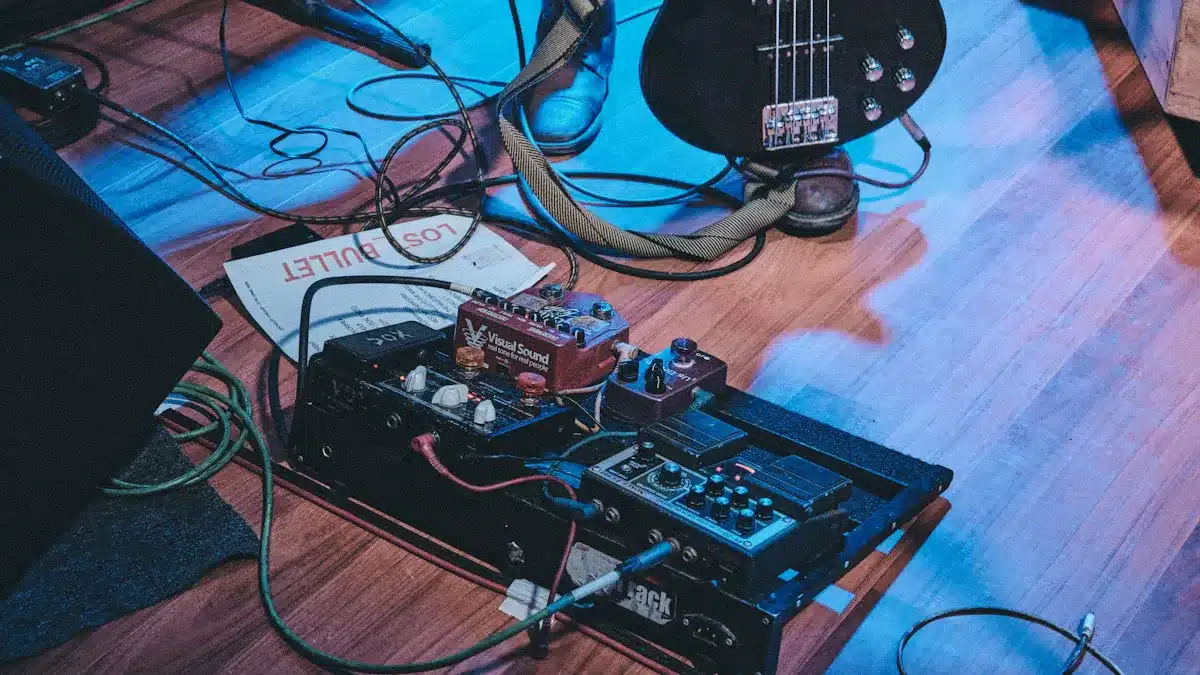
An effects loop is a special part of a guitar amplifier that lets players place certain pedals between the preamp and power amp sections. This setup gives guitarists more control over their sound. The effects loop usually has two jacks: a send and a return. The send jack takes the signal from the amp after the preamp. The return jack brings the signal back before it reaches the power amp.
The main reason for using an effects loop is to keep effects like delay and reverb clear and strong. When these pedals go after the preamp, they do not get mixed up with distortion or overdrive. This helps the repeats and echoes sound clean, even when the amp uses a lot of gain.
Tip: The effects loop is perfect for time-based and modulation effects. It keeps the sound from getting muddy.
How Does an FX Loop Work?
The fx loop changes the way the signal moves through the amplifier. Normally, the guitar signal goes straight into the amp’s input and passes through the preamp first. With an effects loop, the signal path looks different:
-
The guitar connects to pedals like tuners or distortion first.
-
The output from these pedals goes into the amp’s input.
-
The amp’s preamp shapes the sound, adding gain or overdrive.
-
The signal leaves the preamp and goes to the effects loop send jack.
-
Time-based or modulation pedals connect between the send and return jacks.
-
The signal returns to the amp through the return jack and then goes to the power amp.
This setup lets effects like delay and chorus work on the shaped sound, not the raw guitar signal. The effects loop sits between the preamp and power amp, so it can keep effects clear and detailed.
There are two main types of effects loops:
|
Fonctionnalité |
Series Effects Loop |
Parallel Effects Loop |
|---|---|---|
|
Signal Path |
All sound passes through the effects |
Mixes original sound with effects |
|
Effect on Sound |
Changes the whole sound |
Blends effect with dry sound |
|
Best Used For |
Distortion, wah |
Delay, reverb, chorus |
|
Connection Limitations |
Many pedals in series |
Usually one multi-effects unit |
|
Impact on Clarity |
Can color the sound |
Keeps original sound clear |
|
Processing Location |
After preamp |
Inside amp, unaffected by effects unit |
-
Series effects loop: The whole signal goes through the pedals. This can change the sound a lot.
-
Parallel effects loop: The amp mixes the original sound with the effect. This keeps the sound cleaner.
Guitar Amp Effects Loop Placement
The effects loop sits between two important parts of the amp: the preamp and the power amp. The preamp shapes the guitar’s tone and adds gain or overdrive. The power amp makes the sound loud enough for speakers. Placing the effects loop here lets players use the amp’s overdrive and still keep effects like delay and reverb clear.
-
The effects loop comes after the preamp. This means the preamp can switch between clean and overdrive sounds.
-
The signal goes through the effects loop before reaching the power amp.
-
This setup works best when the amp’s overdrive comes from the preamp, not from turning up the power amp very loud.
Note: If the amp gets its overdrive from the power amp, the effects loop may not work as well. Some players notice tone loss or buzzing in this case.
Most modern amps use either a series or parallel effects loop. Series loops send all the sound through the pedals. Parallel loops mix the dry sound with the effect. Both types help players keep their effects clear and strong.
The effects loop gives guitarists more options for shaping their sound. It helps keep time-based and modulation effects crisp, even with heavy distortion. By understanding where the effects loop sits in the amp, players can make better choices about pedal placement and get the best tone possible.
Effects Loop vs. Amp Input
Direct Connection Explained
When a guitarist connects pedals straight to the amp input, the signal travels at instrument level. This level is lower than the line level used in the effects loop. The amp input works well for pedals like overdrive and distortion. These pedals interact with the preamp and power amp, shaping the guitar’s tone. If the impedance does not match, the signal can become weak or noisy. The guitar amp effects loop uses line level signals, which keeps the sound strong and clear for certain effects.
FX Loop Advantages
The fx loop gives guitarists more control over their sound. It sits between the preamp and power amp. This position allows time-based effects, like delay and reverb, to stay clear even when the amp uses heavy distortion. The guitar amp effects loop also helps modulation pedals, such as chorus and flanger, sound more detailed. Many players use the effects loop to keep their effects crisp and avoid muddiness. The fx loop is a great tool for those who want flexibility in their pedal setup.
Sound Differences
The table below shows the main differences between using the amp input and the effects loop:
|
Aspect |
Amp Input |
Effects Loop |
|---|---|---|
|
Sound Quality |
Can produce a warmer, more saturated tone due to interaction with the power amp. |
Offers cleaner, more articulate effects, especially for delay and reverb when using a distorted preamp. |
|
Flexibilité |
Limited to effects that work well with the amp’s distortion. |
More flexible for effects that should remain clear and unaffected by distortion. |
|
Interaction with Effects |
Overdrive and distortion pedals work best here. |
Not all pedals work well; some may yield disappointing results when used in the loop. |
Guitarists choose the amp input or the guitar amp effects loop based on their needs:
-
They use the amp input when they want to take advantage of the amp’s built-in distortion.
-
They use the effects loop for modulation, delay, and reverb effects that need to stay clear.
-
Drive and boost pedals usually go into the front of the amp when using amp distortion.
The guitar amp effects loop gives players more options for shaping their sound. It helps keep effects clear and strong, especially in complex pedal setups.
Pedal Placement in the Effects Loop
Time-Based Effects in FX Loop
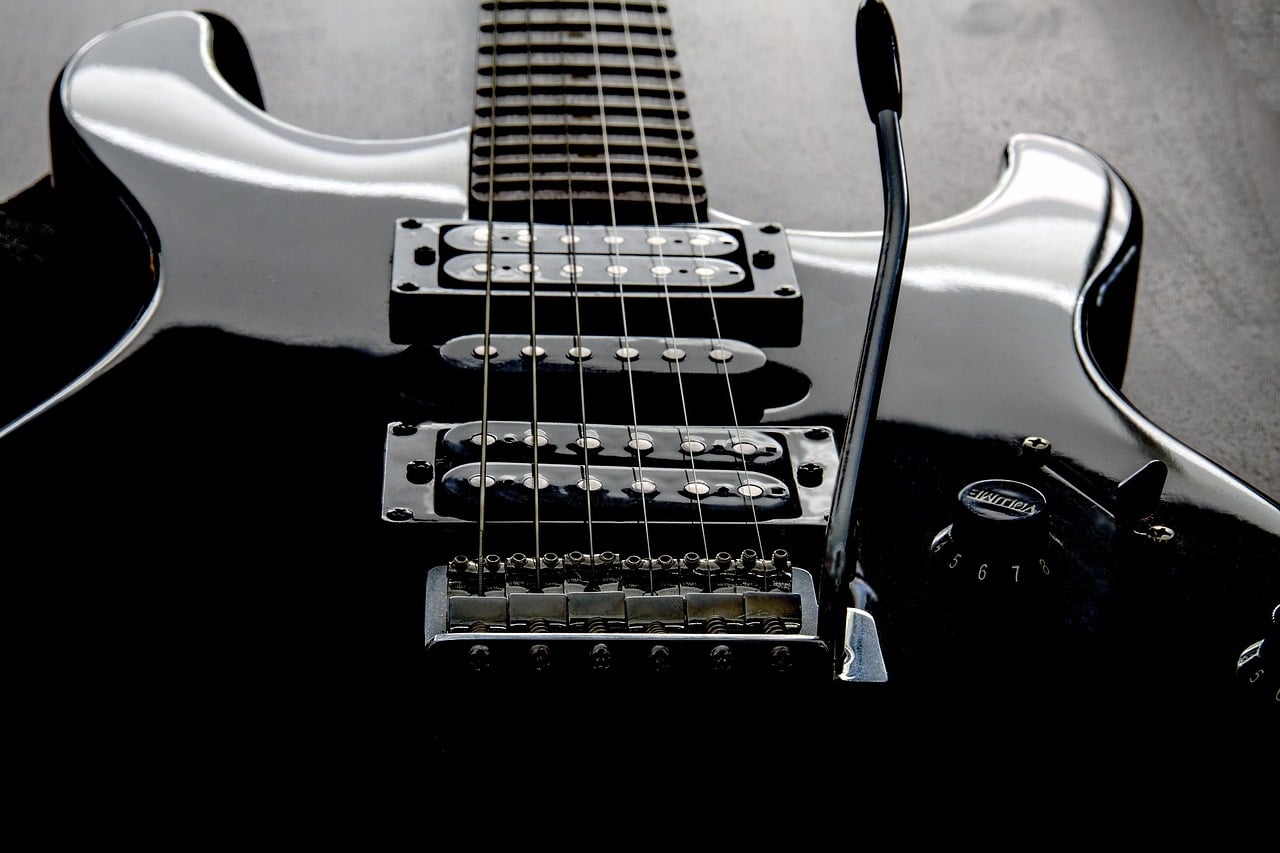
Time-based effects like delay and reverb work best in the effects loop. Putting these pedals after the preamp keeps echoes and repeats clear. Many guitarists hear that delay pedals sound cleaner in the fx loop. The original signal stays strong and does not get muddy. Reverb also sounds better here because it does not mix with distortion. For the best pedal order, put delay before reverb. This keeps echoes crisp and stops muddiness. When you use pedals this way, the sound stays focused and detailed.
-
Delay and reverb pedals in the effects loop make the sound cleaner.
-
Delay before reverb helps keep things clear.
-
Putting reverb after delay keeps echoes easy to hear.
Modulation Pedals and FX Loop
Modulation pedals like chorus and flanger also work well in the effects loop. These pedals change the signal after the preamp, which makes the sound better. The fx loop lets modulation shape the sound after distortion. This makes the tone more lively. Many guitarists put chorus and flanger in their pedal order for the effects loop. This gives a more clear and exciting sound.
-
Modulation pedals in the effects loop make the sound better.
-
The signal gets more lively and clear.
Distortion, Overdrive, and Amp Input
Distortion and overdrive pedals should go before the amp input, not in the effects loop. Putting them in the loop can change the tone in ways many players do not like. These pedals sound best when they work with the preamp. For the best pedal order, put distortion and overdrive before time-based and modulation effects. This keeps the sound strong and stops unwanted changes.
-
Distortion and overdrive work best before the amp input.
-
This keeps the tone strong and clear.
Recommended Pedal Order
Picking the best pedal order helps keep the signal clean and effects clear. A common order for pedals in the effects loop is:
-
Tremolo
-
Chorus or flanger
-
Delay
-
Reverb
This order puts time-based and modulation effects after the preamp for the best sound. Using a buffer pedal like the Musontek Adjudicator helps keep the sound good in big pedal setups. The Adjudicator changes high-impedance signals to low-impedance. This stops loss of high notes and volume. The buffer pedal keeps the sound bright and full, even with lots of pedals. For the best pedal order, always think about using a buffer to protect your tone.
Tip: The right pedal order and a good buffer pedal can really help your sound.
Why Use a Buffer Guitar Pedal?
Preventing Tone Loss
Guitarists often use long cables and lots of pedals. This can make the guitar signal weak and less clear. A buffer guitar pedal helps fix this problem. It changes the guitar’s high-impedance signal to low-impedance. This keeps the sound strong and clear, even with many pedals or long cables.
-
Buffer pedals stop high notes from getting lost.
-
They help keep the guitar’s original sound.
-
The signal stays sharp and does not get dull.
A buffer guitar pedal also keeps the volume steady. It does not make the signal louder or softer. Instead, it protects the sound from getting weak as it goes through the pedal chain.
Buffer Pedal Benefits in FX Loop
A buffer guitar pedal in the effects loop gives extra help. The pedal keeps the signal clear between the preamp and power amp. This matters when using time-based or modulation effects. The buffer pedal helps these effects sound bright and detailed.
A buffer pedal is very helpful for players with lots of pedals or long cables. It stops the sound from getting muddy or losing its sparkle.
Here is how a buffer pedal works in the signal chain:
-
The guitar sends a high-impedance signal to the buffer pedal.
-
The buffer pedal changes it to a low-impedance signal.
-
The signal goes through the other pedals and cables without losing quality.
Musontek Adjudicator Features
The Musontek Adjudicator is a special buffer pedal. It uses a Class A circuit for low noise and clear sound. This design keeps the guitar’s tone natural and clean. The Adjudicator works well with fuzz pedals and big pedal setups.
|
Fonctionnalité |
Description |
|---|---|
|
Versatility in signal chain configurations |
Works as Buffer, Boost, DI, Isolator, and CAB Sim depending on the setup |
|
Low operating current |
Uses power efficiently |
|
Excellent buffering performance |
Keeps the signal strong and clear |
|
XLR outlet |
Gives signal isolation and ground lift |
|
Built-in +15dB level gain adjustment |
Lets you adjust gain with a jumper wire |
|
Rear polarity and cab simulation function |
Matches different use needs |
|
Bundled with XLR Adapter |
Adds more ways to connect |
The Musontek Adjudicator buffer guitar pedal helps guitarists keep their sound strong and clear. It stops tone loss, lowers noise, and works with many setups. Players who want great sound from their pedalboards can trust this buffer guitar pedal to give good results.
Using an effects loop and a buffer guitar pedal helps guitarists in many ways.
-
Buffer pedals keep the sound clear and strong. This works even with long cables or lots of pedals.
-
They make high notes easier to hear and cut down on noise.
-
Effects loops help time-based and modulation effects sound sharp, not messy.
Guitarists should move their pedals around to see what sounds best. Trying different spots for buffer pedals can change the way the guitar sounds. Putting a buffer pedal like the Musontek Adjudicator in the right place keeps the signal good.
Every guitar setup is special. Players can try new pedal orders and have fun finding their own sound.
FAQ
What is the main purpose of an effects loop?
An effects loop lets players place certain pedals after the preamp but before the power amp. This setup keeps time-based and modulation effects clear, even when the amp uses heavy distortion.
Which pedals should go in the effects loop?
Players usually put delay, reverb, chorus, and flanger pedals in the effects loop. These pedals sound clearer and more detailed when placed after the preamp.
Can a buffer pedal improve my sound?
A buffer pedal, like the Musontek Adjudicator, keeps the guitar signal strong and clear. It helps prevent tone loss, especially with long cables or many pedals.
Do all amps have an effects loop?
Not every amplifier includes an effects loop. Many modern amps offer this feature, but some smaller or vintage models do not.
Should distortion pedals go in the effects loop?
Distortion and overdrive pedals work best before the amp input. Placing them in the effects loop can change the tone in unwanted ways.