Yes, the pédale de compression helps extend sustain. This device changes the volume of the guitar, making soft notes louder and extending their duration. Many musicians find that notes last longer and sound fuller after using the compression pedal.
- Compression makes gradually decreasing notes louder.
- It balances dynamics.
- Sustain is enhanced because the pedal extends the duration of notes.
Guitar players often use the compression pedal to achieve a smooth, clear tone.
Principaux enseignements
- The compression pedal helps extend the duration of notes, makes soft notes louder, and prevents loud notes from becoming too overpowering. You can adjust settings such as the threshold and compression ratio, allowing guitarists to choose the appropriate tone for different musical styles. Every note will be clearly distinguishable.
How a Compression Pedal Extends Sustain
Compressor Pedal Mechanism
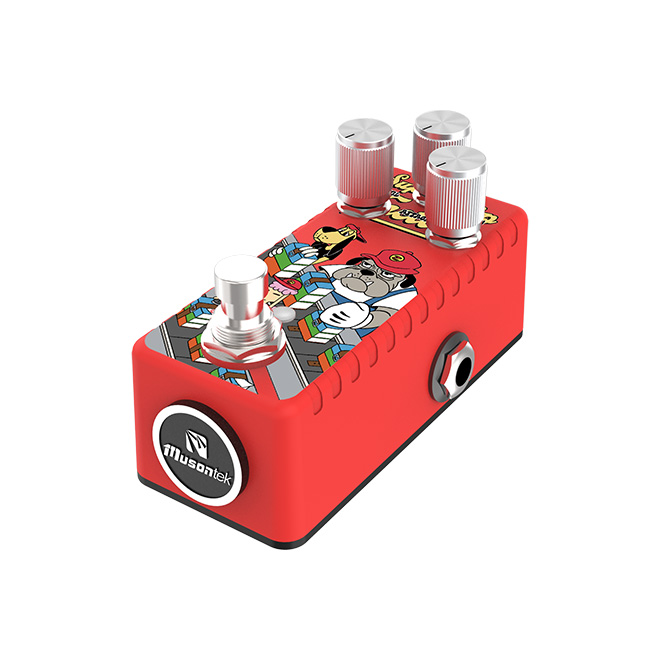
The compressor changes how the guitar signal is processed. When you play a note, the loud parts are toned down. The compressor uses gain compensation to enhance the overall volume. This helps to highlight the softer parts of a note, preventing the sound from decaying too quickly. The Musontek Dynamics – Super ZlP Factory compressor uses intelligent circuitry to achieve this.
Guitar Compression and Note Duration
Compressors extend the duration of notes by controlling their loudness, making the decay phase of each note more stable, thus making the notes sound longer.
- Compression controls the loudness of the sound, making the decay phase more stable.
- It helps the guitar tone to be balanced and powerful, allowing notes to sustain fully while controlling the loud parts.
- Without compression, the sound would change drastically, and decay would be difficult to control.
Guitar compression gives the player better control over the tone. The unique feature of the Musontek Dynamics – Super ZlP Factory compressor is its ability to provide crisp compression. This means that the effect preserves the guitar’s true tone and extends the duration of notes.
Real-World Application
Compressors are important in many musical styles. Country guitarists often use them to create unique tones. Rock musicians use compressors to keep the tone smooth and even. Trey Anastasio of the band Phish uses compressors to create his unique tone.
Musicians use different settings for their compressors:
- Rhythm guitarists use medium thresholds and high compression ratios for a stable sound.
- Lead guitarists use lower thresholds and lower compression ratios for longer sustain while maintaining tone consistency.
- Fast solos require higher thresholds and lower compression ratios to keep notes clear.
- Fingerstyle guitarists use lower thresholds and medium compression ratios to hear softer notes clearly.
- Slide guitarists use medium thresholds and higher compression ratios for smooth note changes.
The Musontek Dynamics – Super ZlP Factory compressor meets all these needs. It’s suitable for solos, rhythm, and live performances. Musicians can adjust the settings to their own style. This makes it a favorite among guitarists seeking better sustain and tone.
What to Expect from a Compression Pedal
Typical Results and Limitations
A compressor alters the tone of a guitar. Musicians will notice longer note durations, a more balanced signal, softer notes that don’t fade quickly, and louder notes that are controlled and don’t overpower the guitar. Many report that this compressor provides ample compression and good control. Moreover, it’s virtually noiseless during use.
The CP10 gives lots of squash, good control, and stays quiet.
Musicians use compressors to highlight solo sections. Rhythms sound more stable and blend better with other instruments after using a compressor. A compressor also makes the guitar tone fuller and more balanced.
Impact on Tone and Dynamics
A compressor can change the tone of a guitar in many ways. It maintains a stable and controllable sound and makes the volume more even. This is extremely useful in live performances and recordings. Musicians will hear rhythms become more impactful, chords sound clearer, and solos sound more distinctive due to longer note durations.
- Compression effects maintain a stable and controllable guitar tone.
- They create a more balanced volume, which is beneficial for both live performances and recordings.
- They enhance the impact of rhythmic playing and make chords clearer.
- They extend the sustain of solos, making each note stand out more.
- Compression effects make the sound more balanced and full.
- They are often used in recording studios to control the contrast in volume.
- Compression improves tone and extends note duration, which is exactly what guitarists strive for.
- A balanced sound and a powerful tone are important reasons for using compression effects.
- They can increase sustain, making the overall guitar tone more outstanding.
Compression makes the guitar volume more even, helping the guitar blend better with other instruments. Slight compression maintains a wider dynamic range, while heavy compression compresses the signal, making it lifeless.
Tips for Guitar Compression Settings
Musicians adjust compressor settings to achieve the best tone. They typically set the threshold to a gain attenuation of 2-3 dB. To achieve a crisp compression effect, the compression ratio is typically between 1.2:1 and 2:1. The start-up time is set to 20-50 milliseconds to allow fast sounds to pass through. The release time is synchronized with the beat, typically 100-200 milliseconds.
- Threshold: Achieve a 2-3dB gain attenuation.
- Compression Ratio: 1.2:1 to 2:1 for crisp compression.
- Start-up Time: 20-50 milliseconds.
- Release Time: 100-200 milliseconds.
The Musontek Dynamics – Super ZlP Factory compressor is known for its crisp and flexible tone. It offers rich control options without adding noise. Musicians use it for a wide range of musical compositions.
| Fonctionnalité | Musontek Dynamics – Super ZlP | Other Leading Compressors |
| Transparency | Keeps sound clear and natural | Sometimes changes the tone |
| Polyvalence | Lots of control for fine-tuning | Not as many controls |
| Sound Quality | Does not add noise | May add noise |
| Music Styles | Works for many genres | May only work for some |
Compression Pedal vs. Other Sustain Methods
Compressor vs. Overdrive and Distortion
Many guitarists use overdrive and distortion pedals to achieve longer sustain. These pedals alter the sound by increasing gain and shaping the signal. Distortion pedals use hard clipping circuitry, which muddies the tone and reduces dynamic range. Overdrive pedals use soft clipping circuitry, and the two have different effects. The order in which the pedals are used is crucial to guitar tone and sustain.
Compression Pedal vs. Sustain Pedal
Compressor pedals and sustain pedals work differently. A compression pedal reduces loud peaks and boosts weak signals. This balances the sound and makes soft notes last longer. The sustain pedal employs other methods, but the compression pedal is best suited for clean tones, arpeggios, and delicate playing.
| Fonctionnalité | Compression Pedal | Sustain Pedal (not detailed) |
| Mécanisme | Lowers loud peaks and boosts quiet signals | N/A |
| Result | Balances sound and lets soft notes last longer | N/A |
| Best for | Clean tones, arpeggios, and detailed playing | N/A |
Pros and Cons Compared
Players have many ways to increase sustain. Some use feedback or devices like the eBow. Feedback depends on the player’s distance from the amplifier. The environment affects note duration. Adjusting compressor settings can help extend note duration without sacrificing dynamics. Even at low volumes, using input fine-tuning in the amplifier module can help extend sustain.
- Feedback can extend note duration, but this depends on the environment.
- Compressor settings allow the player to control sustain and maintain dynamics.
- Device like the eBow can extend note duration but may alter the guitar’s tone.
The Musontek Dynamics – Super ZlP Factory compression pedal delivers crisp compression while maintaining a natural sound. Players can adjust the settings to suit different styles and needs.
Compression Pedal Drawbacks and Considerations
Common Side Effects
Compression effects alter the feel and tone of a guitar. Some musicians find that it makes the volumes of dynamics and weak points more similar, thus reducing the musicality. In certain musical styles, this can make the sound less vibrant. Poor quality effects can also introduce additional noise. In live performances, volume control is difficult because compressors alter the signal.
Tip: High-quality effects pedals like the Musontek Dynamics – Super ZlP Factory employ clean signal processing and superior noise control, characteristics that help maintain a clear and natural guitar tone.
| Fonctionnalité | Bénéfice |
| Clean processing | The compressor gets the purest sound from your guitar |
| Consistent input | Other effects get a more even signal |
| Better noise performance | Compression before high-gain effects cuts down on noise |
| Predictable behavior | The compressor works the same every time |
| Classic OTA compression | Gives warm, musical compression and keeps your tone |
| Fast and aggressive attack | Great for quick control and punch |
| Rich sustain | Smooth compression helps notes last longer |
| High headroom | Handles strong signals with a bigger range |
| Universal compatibility | Input level control works with many instruments |
When Not to Use a Compressor
Some music requires a wide range of dynamics. Jazz and classical guitarists often want to hear every subtle change in volume. In these cases, a compressor may not be the best choice. Players seeking a natural tone may also choose not to use a compressor. If you are playing in a quiet environment, a compressor may add noise or make the sound less vibrant.
- Compression effects reduce dynamic range, thus diminishing the expressiveness of music.
- They can also add unwanted noise to your sound.
- In live performances, the presence of compressors makes volume control difficult.
Choosing the Right Pedal
Choosing the right compressor depends on your playing style and needs. Some effects offer more control over settings. For example, the Musontek Dynamics – Super ZlP Factory allows you to adjust the threshold, compression ratio, startup time, and release time. These controls can help you shape tone and sustain.
| Parameter | Description |
|---|---|
| Threshold | Decides how much of the sound is changed (lower threshold = more sound changed) |
| Ratio | Decides how much the sound is turned down past the threshold (like 3:1 means 3 dB above the threshold becomes 1 dB above) |
| Attack | Decides how fast the pedal turns down the sound |
| Release | Decides how fast the pedal lets the sound go back up |
Musicians should choose pedals that suit their musical style. A good compression pedal maintains clarity and adds sustain without introducing extra noise.
Compression effects pedals help guitarists extend note duration and create a more even and balanced guitar tone. Studies show that these pedals maintain stable volume on stage and in the studio, meaning every note is clearly distinguishable and not drowned out. You can adjust the settings of your compression effects pedals to suit different musical styles. Some settings can make the sound more impactful, while others can make it smoother, resulting in the purest guitar tone.
Musontek Dynamics – Super ZlP Factory Professional Review:
- Longer note duration, fuller tone.
- Clear sound, strong sustain.
- Players can adjust the settings to achieve a smooth or clear tone.
If you want your guitar to have longer sustain and greater control, try an excellent compression effects pedal like the Musontek Dynamics – Super ZlP Factory.