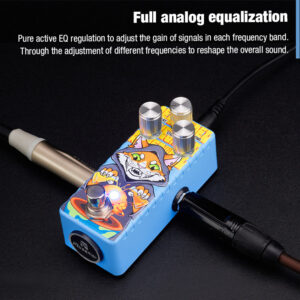
Many bassists use effects pedals to change their sound. Effects pedals became popular with bass players in the 1960s. Each bassist picks pedals for their own style and ideas. Some players like a clean sound, while others explore tools like a guitar equalizer to shape their tone. If you’ve ever wondered what is EQ in guitar, it’s a way to control frequencies and balance the mix. Some musicians even use advanced models like MusonTek EQ-Remeowdel to fine-tune their sound.
Principaux enseignements
-
Effects pedals let bassists change their sound more. They can make their tone different from what amplifiers do.
-
Pedals help bassists be creative. They can try new sounds and show their own style.
-
Different music types need different sounds. Bassists pick pedals that fit their music and make them sound better.
-
Trying out pedal setups can help find new tones. It can also make the sound quality better.
-
Beginners should learn their instrument first. But using effects pedals can be a fun way to try new sounds.
Why Bassists Use Effects
Shaping Tone and Sound
Bassists use effects pedals to change the way their bass sounds. Pedals give bassists more control over their tone than amplifiers alone. Many bassists want their bass to stand out or fit better in a band mix. Effects pedals help them boost certain frequencies, add warmth, or make the bass sound sharper. Some pedals can make the bass sound smooth and even, while others add grit or punch.
Tip: Using pedals lets bassists adjust their sound quickly during live shows or recording sessions.
The table below shows why bassists use effects pedals to shape their tone and sound:
|
Reason for Using Effects Pedals |
Description |
|---|---|
|
More control over tone |
Pedals allow bassists to change their sound in ways amps cannot. |
|
Adapt sound for music styles |
Bassists use pedals to match their tone to different genres. |
|
Keep sound fresh |
Effects pedals help bassists stay creative and avoid sounding the same every time. |
Creative Expression
Bassists use effects pedals to explore new sounds and express their creativity. Pedals let them try effects that are not possible with just their hands or traditional playing. Changing the order of pedals can create surprising results. Some bassists use pedals to make their bass sound like a synth or to add special effects that grab attention.
-
Effects pedals help bassists find new tonal qualities.
-
Pedals encourage experimentation with sound.
-
Using pedals can change the vibe of a song and unlock new ideas.
Bassists use effects to make their music unique. They can add echo, fuzz, or other effects to create a signature sound. Pedals help bassists stand out and keep their playing interesting.
Genre and Band Fit
Bassists use effects pedals to match their sound to the style of music they play. Different genres need different bass sounds. In rock and metal, bassists often use distortion or fuzz pedals to make the bass sound heavy. Funk and pop bassists use chorus or octave pedals to add movement and depth. Experimental music lets bassists use many types of pedals to create new sounds.
-
Rock, metal, punk, funk, pop, and experimental music all feature bassists using effects pedals.
-
Distortion and fuzz are common in rock and metal.
-
Modulation effects like chorus and octave are popular in funk and pop.
-
Effects pedals help bassists fit their sound into the band and enhance their performance.
Bassists use effects to make sure their bass matches the band’s style. Pedals help them blend in or stand out, depending on what the music needs.
Popular Bass Effects Pedals
Overdrive and Distortion
Bassists use pedals like overdrive and distortion to change their sound. Overdrive adds grit and energy. It works well in rock and punk. Metal bands use distortion for a powerful and aggressive sound. Funk and indie players sometimes use overdrive for special parts. Overdrive boosts higher notes, so the bass stands out. The table below shows how these pedals are different:
|
Effet |
Sound Characteristics |
Clipping Type |
|---|---|---|
|
Overdrive Pedal |
Smoother, natural, tube-like |
Soft Clipping |
|
Distortion Pedal |
Aggressive, crunchy, bold |
Heavy Clipping |
Bassists need to be careful with these pedals. Too much distortion can make deep notes weak or muddy.
Compression
Compression pedals help bassists keep their sound even and strong. These pedals make every note clear. In live shows, compression keeps quiet notes from getting lost. It also stops loud notes from being too much. Compression pedals help with changing room sounds.
Chorus and Modulation
Chorus and modulation pedals add depth and movement to bass. Chorus makes a simple bassline sound bigger. These pedals help when the guitarist plays lead.
Octave and Pitch
Octave and pitch pedals let bassists play notes higher or lower. These pedals create new textures. Polyphonic octave pedals can play many notes at once. This makes a wall of sound. Bassists use these pedals to improve their tone and keep their sound clear.
Envelope Filter and Wah
Envelope filter and wah pedals give bassists funky and cool sounds. These pedals help bassists play in creative ways.
Equalizer Pedals for Bass
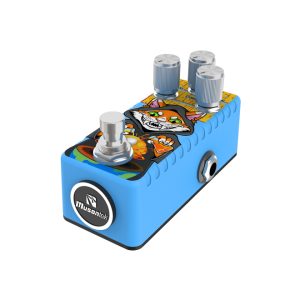
Equalizer pedals like Musontek Remeowdel help bassists control their sound. These pedals shape the tone before it goes to the amp. The table below shows how amp EQ and pedal EQ are different:
|
EQ Type |
Fonctionnalité |
|---|---|
|
Amp EQ |
Changes the whole signal, less precise for small changes |
|
Pedal EQ |
Lets bassists make exact changes for their sound |
EQ pedals give more choices than amp EQs. Bassists use pedals like Musontek Remeowdel in live shows and studios. This helps them change their sound and make it better.
Tip: Bass effects pedals help bassists match any music style or place.
How Common Are Effects Pedals for Bassists?
Clean vs. Effected Sound
Bassists pick between clean and effected sounds. Some like the natural tone of their bass. They want each note to be clear and pure. Other bassists use pedals to change their sound. Pedals can add grit or boost some frequencies. Pedals also make new textures. Many bassists use effects to help their bass fit in a band. Some songs need a clean bass sound. Other songs sound better with effects. The choice depends on the music and the bassist’s style.
Note: Some bassists switch sounds during a show. This helps match different songs.
Minimalist vs. Multi-Pedal Setups
Some bassists use only one or two pedals. This simple setup is easy and quick. Other bassists use many pedals for more sounds. A multi-pedal setup lets bassists try different effects. The order of pedals changes the sound. Lower-gain pedals often go first. Higher-gain pedals come after. Modulation effects may work better early in the chain. Delay and reverb usually go last. Bassists test pedal orders to find their favorite sound.
-
Minimalist setups are easy and fast.
-
Multi-pedal setups give more creative choices.
-
Changing pedal order helps bassists find new tones.
Genre and Personal Preference
Music style helps decide how many pedals a bassist uses. Rock and metal bassists use more pedals for heavy sounds. Funk and pop bassists use chorus or octave pedals for lively music. Jazz and blues bassists often use a clean sound. Personal taste matters too. Some bassists like to try new pedals. Others keep their sound simple. Each bassist picks what works best for their music.
|
Genre |
Typical Pedal Use |
|---|---|
|
Rock/Metal |
Overdrive, distortion |
|
Funk/Pop |
Chorus, octave |
|
Jazz/Blues |
Mostly clean, some EQ |
|
Experimental |
Many different pedals |
Bassists use effects to match their style and band needs. There is no single setup for everyone. Each bassist finds their own way with effects pedals.
Choosing Effects Pedals for Bass
Are Effects Pedals Necessary for Beginners?
A lot of new bassists ask if they need effects pedals. Most teachers and pros say beginners do not need pedals. Learning to play well is more important. Good tone comes from practicing and using the amp’s EQ. Trying different strings or styles also helps. Some bassists use pedals, but some do not. Both ways can sound good.
Beginners might enjoy trying effects pedals. But it is best to learn the basics first.
The table below shows some good and bad things about multi-effects pedals for beginners:
|
Benefits of Multi-Effects Pedals |
Drawbacks of Multi-Effects Pedals |
|---|---|
|
Cost-effective: Saves money by combining multiple effects into one device. |
Sound quality: Often inferior to individual pedals due to digital processing. |
|
Convenience: Easier to set up and transport than multiple individual pedals. |
Complexity: Can be confusing to operate due to many controls. |
|
Creative potential: Allows for custom effects settings and experimentation. |
Reliability: More prone to glitches and harder to troubleshoot. |
Bassists who want to try new sounds can start with a simple multi-effects pedal. This lets them test different effects without spending a lot.
Genre Considerations
Bassists pick pedals based on the music they play. Each genre needs its own sound. For example:
-
Rock and metal bassists use distortion or overdrive pedals for a strong sound.
-
Funk bassists use envelope filters or octave pedals for a lively tone.
-
Pop and experimental bassists use chorus or modulation pedals for more depth.
Effects pedals help bassists match their sound to their band’s style. Distortion and overdrive can make each song sound different.
Using Guitar Pedals on Bass
Some guitar pedals work well for bass if chosen carefully. The Musontek Remeowdel EQ pedal is one example. This pedal uses analog EQ for a natural bass sound. It works with 9-18V power, so bassists have choices. The Remeowdel has four EQ bands for fine-tuning. Each band can boost up to +15dB. This helps bassists shape their tone and make notes clear.
When building a pedalboard, bassists should pick pedals that keep the low end strong. Choosing the right pedals helps the bass fit in the mix. Pedals like the Musontek Remeowdel make the bass sound better and help every note stand out.
Not all bassists use effects pedals. Many bassists pick pedals to change their sound. Each bassist chooses pedals for their style and music. Some like a clean bass tone. Others want many sounds from pedals. Bassists test pedals to see what works for them. Pedals help bassists play better at shows or in studios. The Musontek Remeowdel EQ pedal gives more control. It helps each note sound clear and strong. Professional bassists share these important ideas:
|
Key Takeaway |
Description |
|---|---|
|
Experimentation |
Bassists try pedals to find new tones and styles. |
|
Creative Expression |
Pedals help bassists set the mood for each song part. |
|
Polyvalence |
Bassists use pedals for many genres and places. |
|
Inspiration |
New pedals can give ideas for songs or riffs. |
|
Sound Shaping |
Pedals let bassists make deep or synth-like sounds. |
Bassists can use pedals to find their own sound. They enjoy trying new things and being creative.
FAQ
What are the most common effects pedals for bassists?
Bassists use overdrive, distortion, compression, and equalizer pedals a lot. Many also pick chorus or octave pedals. These effects help bassists change their sound and play different music styles.
Can bassists use guitar pedals?
Yes, bassists can use some guitar pedals. Many guitar pedals work well with bass, like equalizer and modulation pedals. Bassists should try pedals to make sure the low end stays strong.
Do all bassists need effects pedals?
Not every bassist needs effects pedals. Some like a clean sound from their instrument and amp. Others use pedals to find new tones. The choice depends on what the bassist likes and the music they play.
How do effects pedals help bassists in a band?
Effects pedals help bassists stand out or fit in with the band. Pedals can boost some frequencies, add texture, or make special sounds. This helps bassists match the band’s style and play better.
Are effects pedals hard for bassists to use?
Most effects pedals are easy for bassists to use. Many pedals have simple controls. Bassists can learn how each pedal works by trying them and listening closely.