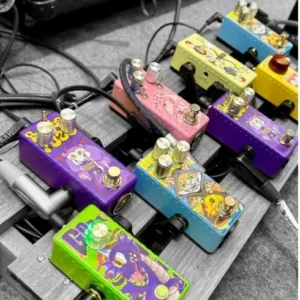
No, a distortion pedal and an overdrive pedal are not the same thing. Many new players confuse these effects, but each one creates its own unique sound. An overdrive pedal delivers a smoother and more natural tone, using soft clipping to mimic the feel of a tube amp. On the other hand, a distortion pedal produces a more aggressive and rough sound, relying on heavy clipping for that crunchy, powerful effect. The table below highlights the differences between a distortion pedal and an overdrive pedal:
|
Effet |
Sound Characteristics |
Clipping Type |
|---|---|---|
|
Overdrive Pedal |
Smoother, natural, tube amp-like |
Soft Clipping |
|
Distortion Pedal |
Aggressive, crunchy, heavily clipped |
Heavy Clipping |
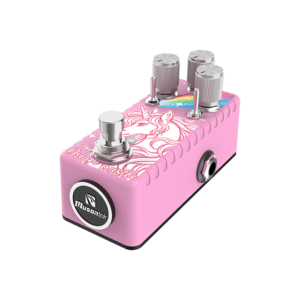
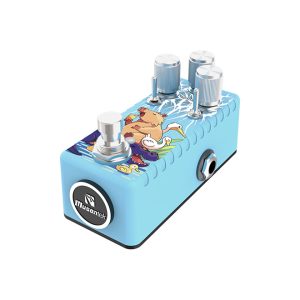
Musontek’s Dream Castle Overdrive Pedal gives guitarists the flexibility to play a wide range of styles, offering everything from warm overdrive pedal tones to strong, high-gain distortion pedal sounds.Capy Order Overdrive Pedal delivers a rich, articulate Overdrive Pedal with strong attack and tight compression, offering a punchy, responsive drive that works well for clear riffs and expressive leads.
Principaux enseignements
-
Distortion pedals and overdrive pedals make different sounds. Overdrive gives a smooth and warm tone. Distortion makes a rough and strong sound.
-
Overdrive pedals use soft clipping to copy tube amps. This keeps the sound natural and lively. They work well for blues and classic rock.
-
Distortion pedals use hard clipping for a bold and loud sound. They are best for metal, punk, and grunge music.
-
You can stack overdrive and distortion pedals for new sounds. Changing the pedal order changes the tone.
-
Beginners should use an overdrive pedal first. It helps them learn how picking and volume change the sound. They can try distortion later.
What is a Overdrive Pedal?
How Overdrive Pedals Work
An overdrive pedal changes the guitar’s sound using special parts. It uses soft clipping with diodes in the feedback loop. This makes the sound wave peaks round and smooth. The pedal boosts and shapes the signal. This gives a warm and natural sound. Many guitarists like this effect. It acts like a tube amplifier when played hard. The Musontek Dream Castle Overdrive Pedal uses a four-digit OP-Amp circuit. This helps make the gain clear and strong. Players can pick Modern or Vintage modes. This lets them control their tone.
Professional guitarists say different overdrive pedal choices help them layer guitar tracks in the studio. This keeps the sound from getting muddy.
Here is a table that shows important parts inside an overdrive pedal and what they do:
|
Composant |
Fonction |
|---|---|
|
Op-amps |
Boost the guitar signal to make overdrive or distortion. |
|
Diodes |
Cause soft clipping and make the sound smoother. |
|
Variable low pass filter |
Changes the tone before the signal goes to the volume control. |
|
Gain circuit |
Controls how much distortion or overdrive is added. |
|
Output capacitor |
Keeps the signal clean and cuts unwanted noise. |
Overdrive Pedal Sound
An overdrive pedal’s sound has strong middle frequencies. This helps the guitar stand out in a band. If a player picks softly, the sound stays clean. If they play harder, the pedal adds grit and punch. The Musontek Dream Castle Overdrive Pedal lets users change presence and attack. This helps shape the sound for blues, rock, or metal. Overdrive pedals copy the feel of a tube amp. They give a natural and musical distortion. The pedal’s low noise keeps the signal clear, even at high gain.
Common Overdrive Uses
Guitarists use an overdrive pedal in many ways. It boosts solos and adds warmth to rhythm parts. Players stack it with other effects. They often use delay or chorus to make lead sounds thicker. Overdrive pedals keep the amp’s natural tone and dynamics. The Musontek Dream Castle Overdrive Pedal works for many genres. It is popular for blues, rock, and metal. Musicians use it to fine-tune their sound with EQ or add reverb for ambience. The pedal is versatile and fits almost any setup. It works with a distortion pedal or by itself.
What is a Distortion Pedal ?
How Distortion Pedals Work
A distortion pedal changes the guitar sound by using hard clipping. This means it cuts off the tops of the sound wave. The signal starts to look more like a square wave. The pedal uses diodes and several gain stages to change the sound. Hard clipping makes the tone tight and full of harmonics. The pedal brings out odd harmonic overtones. This gives the sound a buzzy and strong feel. Distortion pedals often boost certain parts of the sound. This helps the guitar be heard in a band mix.
Here is a table that shows the main technical differences between distortion pedals and other effects pedals:
|
Composant |
Pédales de distorsion |
Other Effects Pedals |
|---|---|---|
|
Clipping Method |
Hard clipping |
Soft clipping (often) |
|
Gain Stages |
Multiple gain stages |
Fewer gain stages |
|
Frequency Amplification |
Frequency selective amplification |
General amplification |
Distortion Pedal Sound
Distortion pedals make the guitar sound bold and strong. The sound is sharp, with pointy shapes in the wave. Hard clipping adds extra harmonics, so the tone is rich and layered. The pedal makes the guitar seem louder and more intense. Players use distortion pedals for a rough and emotional sound. This effect is great for classic rock, punk, and heavy metal. Distortion pedals are not like overdrive pedals. They use more gain and sound harsher.
-
Hard clipping makes odd harmonic overtones.
-
The wave shape has flat tops and sharp edges.
-
The sound is rougher and buzzier than soft clipping.
-
Distortion pedals give more bite than overdrive pedals.
Here is a table that compares sound characteristics:
|
Type of Pedal |
Sound Characteristics |
|---|---|
|
Fuzz Pedals |
Harsh sound, heavily affected waveform, often reaching a square wave form. |
|
Pédales d'overdrive |
Milder effect with soft-clipping, maintains rounded peaks, emulates tube amplifiers. |
|
Pédales de distorsion |
Aggressive sound with hard-clipping, dramatic effect on tone, angular peaks in waveform. |
Common Distortion Pedal Uses
Musicians use distortion pedals in many kinds of music. The pedal is important in hard rock, punk rock, and heavy metal. Blues and grunge also use distortion for their special sound. Distortion pedals help guitarists show feeling and energy. The effect can make solos pop out or add strength to rhythm parts. SoundCloud rap uses distortion for deep bass sounds. Getting the right sound means balancing the amp, pedals, and guitar.
|
Genre |
Description |
|---|---|
|
Blues |
Utilizes distorted electric guitar tones as a key element. |
|
Hard Rock |
Heavily relies on distortion for its signature sound. |
|
Punk Rock |
Distortion is essential for the raw energy and sound. |
|
Hardcore Punk |
Features aggressive distortion to enhance intensity. |
|
Acid Rock |
Known for its psychedelic sound, often using distortion. |
|
Grunge |
Characterized by heavy distortion, contributing to its unique style. |
|
Heavy Metal |
Distortion is a fundamental aspect of the genre’s sound. |
|
SoundCloud Rap |
Distorted bass is a significant element in this subgenre of hip hop. |
Distortion Pedal vs Overdrive Pedal
Sound Differences between Distortion Pedal & Overdrive Pedal
A distortion pedal and an overdrive pedal sound different. Overdrive pedals use soft clipping. This keeps the sound wave smooth and round. The result is a natural and gentle sound. Distortion pedals use hard clipping. This changes the wave to look more like a square. The sound becomes rougher and less natural.
Audio engineers test these sounds to see the differences. The table below shows the main features:
|
Type de pédale |
Sound Characteristics |
|---|---|
|
Surmultipliée |
Natural, smooth, and amp-like. Keeps the amp’s real sound. |
|
Distorsion |
Rougher, heavier, and more aggressive. Adds hard-clipped gain. |
Musicians say overdrive pedals feel smooth and easy to control. They are good for classic rock music. The pedal keeps the sound close to clean. This makes it useful for many songs. Players use it to add warmth to their music. Distortion pedals sound heavy and strong. They change the sound by clipping and adding more harmonics. This makes the tone dirtier and fits heavier music.
Technology Differences between Distortion Pedal & Overdrive Pedal
The way each pedal works changes the sound. Overdrive pedals use soft clipping. Diodes in the feedback loop make the wave peaks round. This copies the feel of a tube amp. The pedal boosts the sound gently. This keeps the music full of feeling.
Distortion pedals use hard clipping. The circuit cuts off the tops of the wave. Many gain stages push the sound even more. The pedal adds extra harmonics. This makes the sound bold and full. The technology gives a strong and powerful effect.
The table below shows the main circuit differences:
|
Fonctionnalité |
Overdrive Pedal |
Distortion Pedal |
|---|---|---|
|
Clipping Type |
Soft clipping |
Hard clipping |
|
Circuit Complexity |
Simple gain stages |
Many gain stages |
|
Contenu harmonique |
Mild, musical harmonics |
Strong, odd harmonics |
|
Tone Preservation |
Keeps amp’s real tone |
Changes tone a lot |
Genre and Style Suitability between Distortion Pedal & Overdrive Pedal
Musicians pick pedals based on the music they play. Overdrive pedals are great for classic rock and blues. They add grit and warmth to solos and rhythm. Many country players use overdrive for fast playing. The pedal works well with compressors and delay.
Distortion pedals are best for metal and hard rock. They give the guitar a loud and strong sound. Players use them for heavy riffs and solos. The pedal is also used in punk and grunge. It helps show energy and feeling.
Here is a list of pedal choices for each genre:
-
Country: Overdrive, compressor, delay for fast picking.
-
Jazz: Compressor for longer notes and smooth sound.
-
Funk: Wah and phaser for cool effects.
-
Rock: Compressor, distortion or overdrive, reverb, delay for big sounds.
-
Metal: Distortion and compressor for heavy music.
Musicians often mix pedals to get their own sound. Overdrive and distortion pedals both help with different styles.
Effects of Using Both Pedals Together
Stacking Effects
Guitarists like to use more than one pedal at a time. This is called stacking. Stacking means putting two or more pedals in a row. When you use a distortion pedal and an overdrive pedal together, the sound from one pedal goes into the next. This gives you more ways to change your sound. The second pedal changes the sound that comes from the first pedal. If you switch the order of the pedals, the sound will change.
-
Players can change EQ and gain by stacking pedals.
-
The second pedal shapes the sound from the first pedal.
-
Turning up the first pedal makes the second pedal clip more, which adds more gain and makes the sound thicker.
Some guitarists put a fuzz pedal before an overdrive pedal. This can make the fuzz sound smoother. Others put the overdrive pedal before the fuzz pedal. This makes the sound wild and thick, which is good for heavy music.
Tip: Try different pedal orders to find the sound you like best. Every setup gives you a new sound.
Creative Tone Options
Stacking pedals lets players try many new sounds. You can mix soft clipping from an overdrive pedal with hard clipping from a distortion pedal. This makes the sound full and rich. Musicians use this trick to make solos deeper or rhythm parts stand out. Changing the settings on each pedal changes the sound even more.
Some players stack pedals to fit different music styles. Blues players might use a little overdrive and some distortion for a warm sound. Metal players often use both pedals together for a strong and powerful sound. The Musontek Dream Castle & Capy Order Overdrive Pedal works great in these setups. It has modern and vintage modes for more choices.
Stacking pedals also helps control how loud or soft the sound is. Lower gain keeps the sound clear and easy to hear. Higher gain makes the sound thick and heavy. Stacking pedals lets players try new things and find cool new sounds.
Choosing the Right Pedal For You
Depends on your Style and Genre
Musicians pick pedals based on what music they play. Overdrive pedals are good for blues, country, and classic rock. These pedals change sound when you pick harder or softer. They keep the guitar’s real sound and add warmth. Distortion pedals are best for heavy metal, punk, and grunge. These pedals make the sound stronger and more aggressive. Players who want loud and bold tones use distortion pedals. Stevie Ray Vaughan used an overdrive pedal for his blues music. He kept his guitar and amp’s true sound clear.
Tip: If you want more control and feeling, try an overdrive pedal first. If you want a heavier sound, pick a distortion pedal.
Gear Compatibility makes a difference
Your guitar and amp can change how a pedal sounds. Overdrive pedals work great with tube amps. They help the amp sound smooth and natural. Distortion pedals work with many amps, like solid-state and digital ones. Some pedals react to volume and picking. Others do not. The table below shows how each pedal type works with different gear:
|
|
Pédales d'overdrive |
Pédales de distorsion |
|---|---|---|
|
Produire des niveaux élevés de distorsion ? |
Non |
Oui |
|
Fundamentally Alter Your Tone? |
Non |
Oui |
|
Respond To Your Volume Controls? |
Oui |
Non |
|
Respond to Your Pick Attack? |
Oui |
Non |
Players should try pedals with their own gear. This helps them find what fits their style best.
Beginner Recommendations for choosing pedals
Beginners may not know which pedal to get first. Many teachers say start with an overdrive pedal. This pedal helps new players learn how picking and volume change the sound. The Musontek Dream Castle Overdrive Pedal gives smooth clipping and reacts to touch. It works for many styles and setups. Players can pick modern or vintage modes. This lets them try different sounds while learning. The pedal’s response helps beginners hear changes in their playing. As they get better, they can add a distortion or another overdrive pedal for more choices.
Note: A pedal like the Musontek Dream Castle or Capy Order Overdrive Pedal helps beginners find their favorite sounds and styles.
Guitarists use distortion pedals and overdrive pedals for different sounds. Overdrive pedals have soft clipping. This makes the tone warm and smooth. Distortion pedals use hard clipping. They make the sound heavier and stronger. The table below shows how each pedal is different:
|
Effet |
Clipping Method |
Caractéristiques tonales |
|---|---|---|
|
Surmultipliée |
Soft clipping using diodes |
Warm, smooth, and dynamic tone |
|
Distorsion |
Hard clipping, aggressive |
More grit, sustain, and articulation |
|
Fuzz |
Total clipping, overtones |
Rich harmonics, fuzzy and wild |
Players use these pedals in many music styles. These include punk rock, metal, and alternative rock. Grunge, jazz, country, and electronic music also use them. The Musontek Dream Castle Overdrive Pedal gives lots of tone choices. It works for beginners and experts. Trying different pedals helps guitarists find new sounds. It makes playing music more fun.

FAQ
What is the main difference between overdrive and distortion pedals?
Overdrive pedals make the sound smooth and warm. They use soft clipping. Distortion pedals use hard clipping. This makes the sound rough and crunchy. Each pedal changes the guitar’s signal in its own way.
Can a beginner use both pedals together?
Yes, beginners can use both pedals. They can stack overdrive and distortion pedals. This lets them try new sounds. Many guitarists start with overdrive. Later, they add distortion for heavier music.
Does the Musontek Dream Castle Overdrive Pedal work with all amps?
The Musontek Dream Castle Overdrive Pedal works with many amps. It works with tube amps, solid-state amps, and digital amps. Players can use it in lots of setups. The pedal keeps the sound clear and strong.
Which genres use distortion pedals most often?
|
Genre |
Use of Distortion |
|---|---|
|
Métal |
Very common |
|
Punk |
Essential |
|
Grunge |
Frequent |
|
Hard Rock |
Standard |
Distortion pedals help make strong sounds in these music styles.