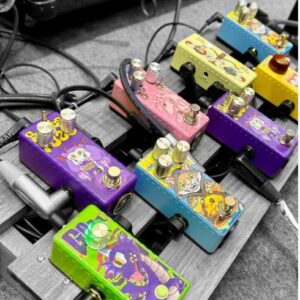
To use a distortion pedal, you need a guitar. In addition, you’ll need an instrument cable, an amplifier, and a power supply. New audio tools from Musontek help musicians enhance their distortion effects and achieve a superior tone. These devices work together to create powerful tones and effects for any combination of pedals.
Principales conclusiones
- Using a distortion pedal requires a guitar, a cable, an amplifier, and a power supply. These devices help you achieve a powerful tone.
- Try different distortion pedal settings to find the tone you like. Start by turning all the knobs to the middle position. Then slowly adjust until you find your favorite tone.
- Musontek Capy Order Overdrive Pedal provides musicians with high-quality audio tools to enhance their tone. Their products are easy to use and perform exceptionally well.
Essential Gear for a Distortion Pedal

Electric Guitar Basics
Using a distortion pedal requires a guitar. The pickups on the guitar affect its tone. Hue pickups make the tone thicker and fuller. Single-coil pickups, such as those on the Telecaster, tend to have a thinner tone. They may require a pedal to provide greater gain. The guitar emits a signal, and the pedal alters that signal.
What Is a Distortion Pedal?
A distortion mild overdrive pedal makes the guitar sound stronger and rougher. It uses hard clipping and multi-stage gain to change the tone. This pedal boosts certain frequencies, adding a fuller tone.
| Característica | Distortion Pedals | Other Effects Pedals |
| Clipping Method | Hard clipping | Soft clipping (often) |
| Gain Stages | Multiple gain stages | Fewer gain stages |
| Frequency Amplification | Frequency selective amplification | General amplification |
Musontek manufactures a wide variety of new distortion pedals and effects. These products help musicians create their own unique tone.
Instrument Cables
Instrument cables connect the guitar to the pedals, and also connect the pedals to the amplifier. High-quality cables maintain a clear and quiet sound. Beginners are advised to use two cables for optimal results. High-quality cables help the pedals function properly and reduce unwanted noise.
Amplifier Setup
The amplifier receives the signal after effects have been applied. Different amplifiers respond differently to distortion effects. For example, the JCM800 paired with a Tube Screamer can produce a unique tone. Classic rock tones originate from the mixing and matching of effects and amplifiers.
- The JCM800 paired with a Boss SD1 or a Tube Screamer can produce a unique tone.
- SRV once used two Fender amplifiers paired with a Tube Screamer to achieve a classic rock tone.
Power Supply Options
Distortion pedals require a power source to operate. Musicians can use batteries or an adapter. Batteries are portable but can run out of power quickly. Adapters provide a stable power supply and are suitable for larger equipment.
| Power Supply Option | Descripción |
|---|---|
| Vitoos | Quiet with most setups, slight switching noise |
| Onespot | Designed for pedals, very quiet |
| Truetone series | Highly recommended, reliable |
| Caline CP-206 | 12 isolated outputs, low profile |
| Harley Benton units | Great reviews, IEC plug |
Musontek creates powerful effects pedals and audio tools for musicians who demand reliable equipment.
How to Connect and Use a Distortion Pedal
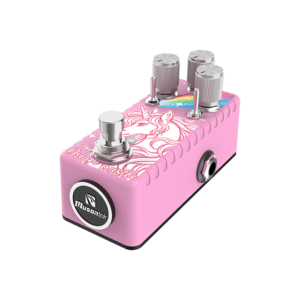
Connecting Guitar to Pedal
First, connect the guitar to the distortion pedal. The order of the signal chain is crucial to sound quality. The distortion pedal should be connected after the guitar and before the amplifier. This connection allows the distortion effect to alter the guitar’s original sound and provides a good foundation for experimenting with new connection methods.
Step-by-step connection:
- Use a short cable to connect the guitar to the input jack of the distortion effect.
- Use another cable to connect the output jack of the effect to the input jack of the amplifier.
- Check that both cables are working properly and are not too long. Short cables help maintain a clear sound.
Tip: Good cables help stop noise and keep the distorted sound strong.
Pedal to Amplifier
Next, connect the effect to the amplifier. This allows the amplifier to receive the signal from the distortion effect. Use high-quality cables of appropriate length to maintain sound quality. Connect the effect’s output directly to the amplifier’s input.
- Use high-quality power and cables for a clean signal.
- Keep the cables short to prevent sound loss.
- Ensure the effect’s voltage matches the power supply.
Note: Putting the distortion pedal before other effects pedals helps keep the sound clear and stops muddiness.
Powering the Pedal
The distortion effect needs a power source to operate. You can use a 9V battery or a power adapter. Both methods have their advantages and disadvantages. Voltage
| Voltage | Pros | Cons |
| 9V | Works for most pedals; safe for all types | Some pedals may not be loud enough |
| 18V | Louder and cleaner sound; good for some pedals | Not safe for all pedals; can break some circuits |
To power the pedal:
- Put a 9V battery in the pedal’s battery spot, or
- Plug a power adapter into the pedal and connect it to power.
Safety Reminder: Always match the pedal’s voltage and polarity with the power supply. Using the wrong voltage can break the pedal.
Turning On and Adjusting Distortion
Once all equipment is connected, turn on the distortion pedal. Most pedals have a footswitch to activate the effect. Now you can begin setting up the distortion pedal and finding the tone you want.
Beginner Setup:
- Move all knobs (distortion, tone, volume) to the middle position.
- Turn down the distortion knob for a classic rock tone.
- Keep the tone knob below the middle position to avoid harsh high frequencies.
- Slowly turn up the distortion knob for richer articulation.
- Adjust the tone knob according to your guitar pickup settings.
- Turn up the volume knob to make the pedal louder when activated.
Tip:Turning up the distortion knob will give you a thicker tone, but too much gain will muddy the tone. It is recommended to start with a lower gain and gradually increase it as needed.
Troubleshooting Basics
Distortion pedals sometimes malfunction. You may hear harsh sounds, extra noise, or the pedal may not function properly.
- A harsh or hissing sound may occur at low gain.
- Unwanted distortion may occur when notes fade out.
- A faulty potentiometer or switch can cause a crackling sound.
- A poor-quality power supply or excessively long cables can increase noise.
- Placing an effect pedal in the wrong position in an effects chain can alter the tone.
To fix these problems:
- Connect the pedal straight to the amp with a good cable and new battery.
- If the pedal works, the problem is somewhere else.
- If not, check for bad switches or pots.
- Use a buffer pedal first to keep the signal strong.
- Try an isolated power supply to stop interference.
- Use a noise gate or isolator if there is background noise.
- Make sure the power supply matches the pedal’s voltage and polarity.
Tip: Practice using the distortion effect and focus on playing. Don’t just turn knobs. This helps you learn how to control your sound and get the best from your setup.
Optional Accessories and Recommendations
Patch Cables and Pedalboards
Connecting cables and effects boards help keep your setup tidy. Short cables connect effects, saving space and preventing clutter. Effects boards allow you to organize all your effects, making them easy to move and set up. Musicians can adjust the order of their effects as needed for better tone. Furthermore, effects boards protect your effects while traveling.
After organizing your effects board, you can try new setups and perhaps discover some great new tones. Short cables help maintain a strong and clear tone.
Musontek Audio Solutions
Musontek offers a variety of audio tools to help you improve your tone. Their effects and DI boxes use intelligent circuitry and robust components to provide musicians with easy setup and practical functionality. Musontek DI boxes maintain a flat and clear guitar tone. The PD1L passive DI box has extremely low distortion.
| Característica | Musontek | Other Brands |
| Calidad de sonido | Superior sound quality | Varía |
| Diseño de circuitos | Advanced and reliable | Estándar |
| Durabilidad | Premium and robust | Varía |
| Usability | Easy and practical | Sometimes complex |
| Precio | Pro-grade, lower cost | Higher for similar quality |
Other Useful Accessories
Many accessories can help your distortion pedal do more. The table below lists some popular choices:
| Accessory | Descripción |
| Octave | Adds a lower octave for bigger tones and new sounds with distortion. |
| Delay | Helps distortion tones blend and adds character. |
| Overdrive | Using with distortion makes new tones and more sustain. |
| Noise Suppressor | Cuts out unwanted noise from high gain settings. |
| Chorus | Makes the sound thicker and wider, so melodies stand out. |
Players can use isolated power supplies to stop noise. This keeps the pedalboard quiet. These tools help every distortion pedal sound its best.
- You’ll need a guitar, a distortion pedal, cables, and an amplifier. These devices can help you change the tone of your guitar.
- You can use different settings to create your own unique tone. Experiment with different settings to find the tone you like.
- Musontek helps novice musicians understand each effect pedal and demonstrates how to make your guitar tone better.
- Anyone can try distortion effects and hear entirely new tones. Learning and playing guitar is endless fun.
PREGUNTAS FRECUENTES
How does a distortion pedal change a guitar’s sound?
The pedal gives the guitar more gain and clipping. This makes the sound rough and bold. The guitar also gets more power and sustain. Players hear stronger tones when they use the pedal.
Can someone use a distortion pedal with any amplifier?
| Amplifier Type | Works with Distortion Pedal |
| Solid-State | ✅ |
| Tube | ✅ |
| Modeling | ✅ |
What should a player do if the pedal makes too much noise?
- Look at the cables and see if they are broken.
- Try using an isolated power supply.
- Put a noise suppressor after the distortion pedal.