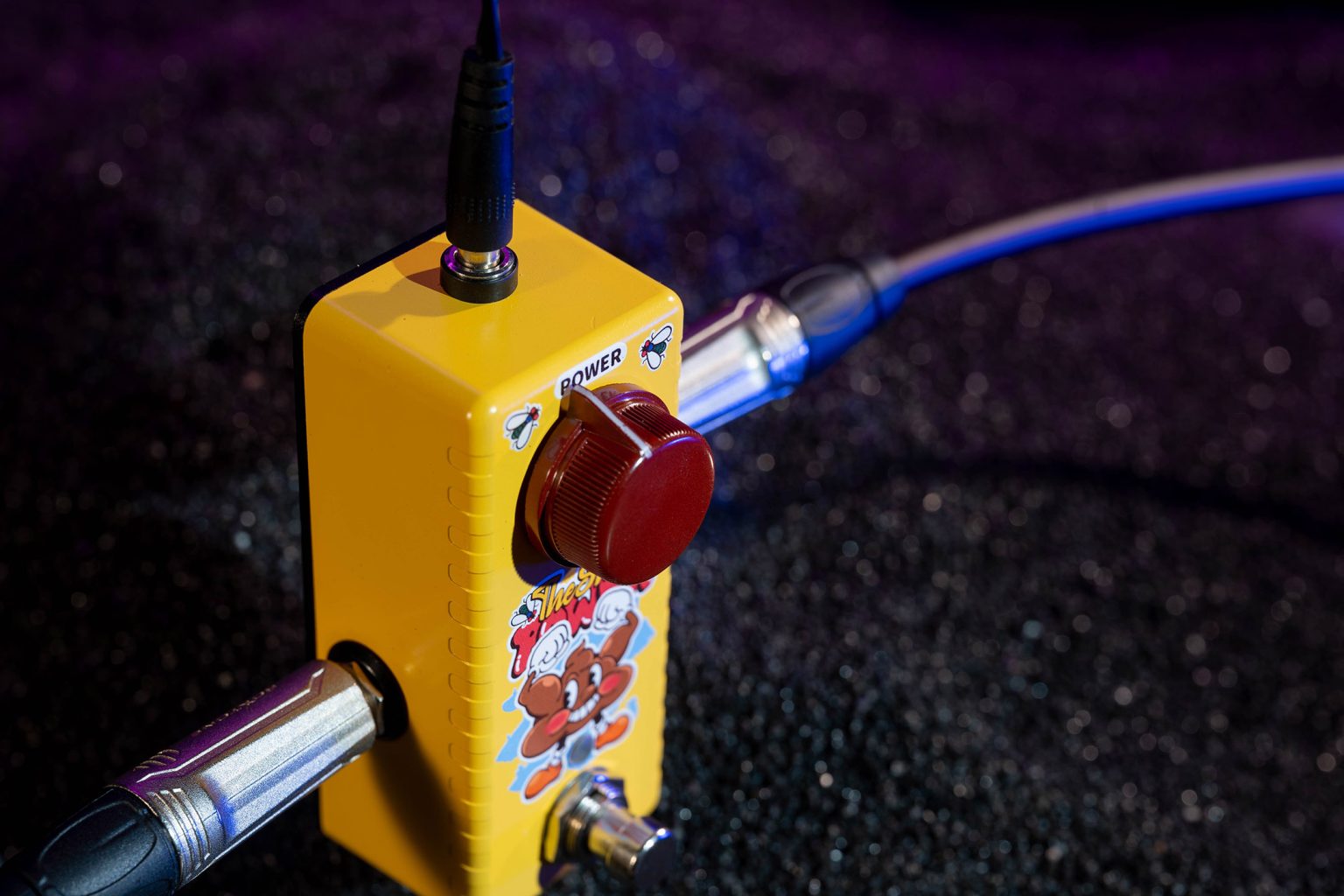
Boost effect pedals can instantly enhance your guitar’s sound. With a simple press, you get increased volume, clearer notes, and a fuller tone. Beginners appreciate its quick and easy use, while experienced musicians love the control and versatility it offers. High-quality effect pedals like the Monstruo Musontek GRRR can help you unlock new musical inspiration and boost your creativity. Every guitarist should try a gain effect pedal to see how it can transform their sound.
Principales conclusiones
- Gain effect pedals can increase the volume of a guitar while maintaining its original tone. This helps solos and rhythm parts stand out more.
- These pedals make notes clearer and easier to hear. Each note remains distinct even in complex sonic textures.
- The position of the gain effect pedal in the effects chain affects the tone. Experiment with different positions to find the sound that works best for you.
- Using a gain effect pedal with an overdrive pedal results in a thicker, fuller sound. This gives you more control over your music.
- The Musontek GRRR Monster is suitable for a variety of musical styles and is very versatile. It can help you experiment with new sounds and inspire more creativity.
What Are Boost Effect Pedals?
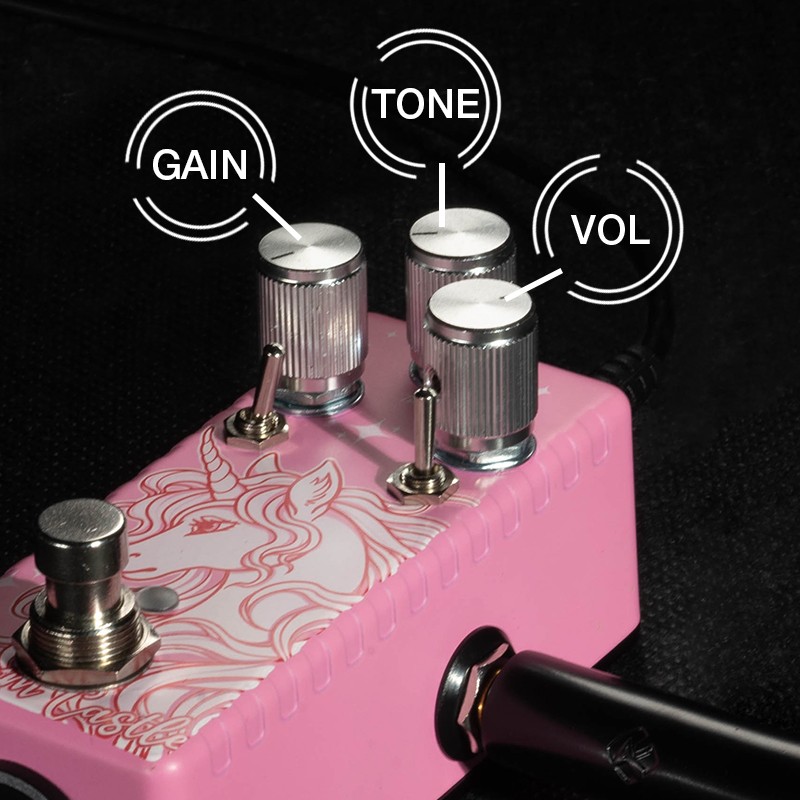
Boost effect pedals help guitarists easily change their tone. These pedals can make the guitar signal louder and more powerful. Musicians use them to shape their sound and stand out in a band setting. Gain effect pedals are suitable for both beginners and professionals who want more control over their sound.
Boost Pedals vs. Overdrive
Some people confuse gain effect pedals with pedales overdrive. They look similar, but they work differently. Gain effect pedals increase the volume of the guitar without altering the natural tone. Overdrive pedals add distortion, making the sound warmer and thicker. Gain effect pedals maintain the clarity and dynamics of the original tone. Overdrive pedals make the sound rougher. This helps musicians choose the right pedal for their music.
| Función | Descripción |
| Increase Signal Levels | The main function of a gain effect pedal is to increase the signal level of the amplifier. |
| Modelado del tono | Depending on the type, they can change the amplifier’s tone and add color. |
| Versatility in the Signal Chain | Gain effect pedals can be placed in different positions in the signal chain, thus altering the tone. |
| Overdrive Accentuator | They can make overdrive effects stronger if used before an overdrive pedal, giving richer tones. |
| Gain Boost at Low Volume | Gain effect pedals can make the amplifier sound louder at low volumes, perfect for classic rock tones. |
| Clean vs. Treble Boost | Gain pedals are divided into clean gain (no change in tone) and treble gain (adding color to the tone). |
Core Function in Tone Shaping
Gain effects pedals are crucial for shaping a guitar’s core tone. Musicians can place gain pedals before or after other effects pedals to achieve different results.
- Placing a gain pedal before an overdrive pedal results in greater gain and a clearer tone, ideal for solos.
- Placing an overdrive pedal before a gain pedal provides a clean volume boost, which is very effective for rhythm playing.
Gain pedals also expand the guitar’s dynamic range. They help the guitar tone stand out and become clearer. Musicians use them to enhance other effects, creating new sounds.
Tip: Gain pedals like the Musontek GRRR Monster allow musicians to shape their tone for any style.
- Gain pedals provide extra volume, making the guitarist’s sound easier to hear.
- They make solos more impactful by increasing the dynamic range.
How Boost Pedals Transform Tone
Volume Increase Without Distortion
Guitarists often want more volume without sacrificing their original tone. Gain effects pedals can achieve this. These pedals increase the output level, making the guitar sound more prominent in the mix. A musician can step on the gain pedal, and the volume will increase, but the tone will remain clean and clear. This feature is very useful in live performances, especially when a solo needs to cut through the band’s sound.
- Placing a clean gain pedal after an overdrive or distortion effect can increase volume without adding extra distortion.
- Placing a gain pedal before an overdrive effect increases gain, not just volume.
- Using a gain pedal before a clean amplifier increases volume, but the amplifier’s headroom determines whether the sound remains clean or becomes slightly overdriven.
Gain pedals give musicians control. They can choose where to place the pedal in the signal chain for optimal results. This flexibility means every guitarist can find their perfect tone.
Tip: For a true volume boost without adding extra noise, place the gain pedal after your main overdrive pedal.
Enhancing Clarity and Presence
Powerful and clear tones make every note shine. Gain pedals do more than just increase volume; they also enhance the clarity and presence of the guitar’s tone. When a musician uses a gain pedal, the guitar’s sound becomes clearer. Chords are louder, and single notes stand out more. Listeners can hear every detail.
Gain pedals help shape the tone. They can boost certain frequencies, making the guitar sound brighter or fuller. Some pedals, such as preamp pedals, can add a touch of sparkle or warmth. This allows the guitar to blend better into the band’s mix. The right gain pedal can transform a dull sound into an exciting one.
| Beneficio | Result on Guitar Tone |
| Enhanced Presence | Notes stand out more in the mix |
| Improved Clarity | Every detail is clearly audible |
| Frequency Enhancement | Sound is brighter or warmer |
Guitarists who want a more penetrating guitar sound should try using a gain pedal. The effects are immediately noticeable.
Driving Amps and Effects
Gain pedals change how amplifiers and effects respond. When a guitarist uses a gain pedal, the amplifier reacts in a new way. For example, a 15-watt amplifier will distort faster than a high-powered 85-watt amplifier. This is great for rock music, as a little amplifier overdrive can add excitement to the music.
Gain pedals also affect other effects in the signal chain. Placing a gain pedal at the beginning of the signal chain can increase the gain, making overdrive pedals sound fuller. Placing it at the end can make modulation effects like chorus or delay more prominent. Some players place gain pedals after modulation effects to ensure these sounds remain clear when the signal reaches the amplifier.
Gain pedals aren’t just for solos. They help shape the entire guitar tone. Players can use them to drive amplifiers, accentuate effects, or add energy to their playing. Gain pedals become tools of creativity and control.
Note: Gain pedals have been helping guitarists shape their sound since the early days of rock and roll. They remain an important part of modern effects boards.
Practical Uses for Boost Pedals
Solos and Lead Playing
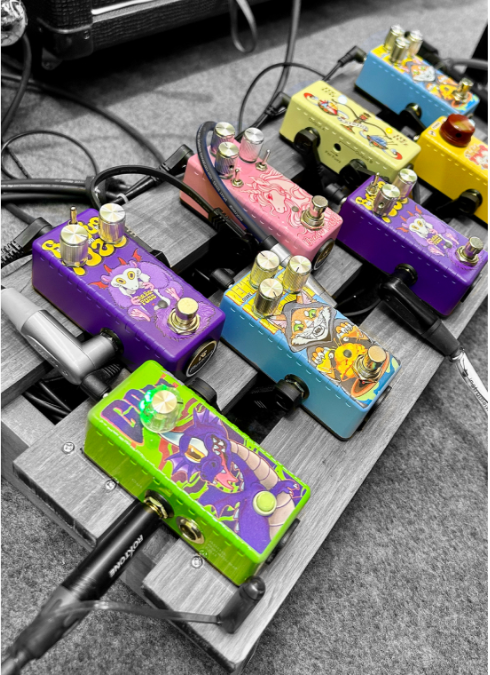
Guitarists use gain pedals to make their solos stand out. When the musician steps on the gain pedal, the guitar’s sound will cut through the mix. Gain pedals can increase volume while maintaining the clarity of the original tone. This helps each note sound powerful and bright. Gain effects also provide a greater dynamic range, allowing the player to easily control the volume. In live performances, gain effects allow guitarists to boost the signal volume when playing solos or special passages. The Musontek GRRR Monster effect pedal excels in this area because its gain control is highly responsive and maintains tonal purity.
- Greater dynamic range.
- Clear and powerful guitar tone.
- Volume boost during solos.
Rhythm and Mix Presence
Boost effects pedals can help rhythm guitarists stand out. When a guitarist uses a gain effect pedal, the amplifier responds with greater energy. The guitar tone becomes fuller and blends better with the overall band sound. Some musicians use clean gain pedals to enhance their tone, making it act like a second preamplifier. Others choose distortion gain pedals to achieve a grittier sound. The control functions of gain pedals allow musicians to select the appropriate frequency gain, making the guitar tone bright or warm. Many professional musicians keep their gain pedals on at all times to ensure their guitar tone is clearly audible in every song.
| Application Type | Descripción |
| Enhance Tone | Boost pedals can be used to fatten up the tone of a guitar, acting as a second preamp. |
| Add Gain | Placing a boost pedal before an overdrive pedal increases the gain for solos. |
| Increase Volume | Using a boost pedal after an overdrive pedal allows for volume increase without altering tone. |
Tip: Boosting the mid-range frequencies helps the effect pedal maintain clarity in the mid-range and adds just the right amount of prominence to the guitar in the mix.
Stacking with Other Effects
Musicians often stack gain pedals with other effects for creative tone shaping. When a gain pedal is placed before distortion, the gain will be stronger, resulting in a fuller sound. If the gain pedal is placed after overdrive, the volume will increase without adding extra distortion. Guitarists also use EQ pedals in conjunction with gain pedals to shape the signal and maintain clarity. Different types of gain pedals offer either clean or distorted options, allowing musicians to choose according to their style. Distortion gain pedals use more transistors to drive the amplifier harder, producing a thicker tone at higher settings. The Musontek GRRR Monster is adaptable to any signal chain, making it ideal for stacking and exploring new tones.
Many guitarists keep their gain pedal on at all times to maintain presence and clarity, especially when using multiple effects.
Choosing the Right Boost Pedal
Características principales
Guitarists want to find a gain pedal that suits their style and equipment. They should look for features that improve their tone and simplify their playing. The table below lists the most important aspects to consider when choosing a gain effect pedal:
| Característica | Descripción |
| Clarity | Maintain a clean and clear guitar tone. |
| Control de ganancia | Allows the player to adjust the desired amount of extra volume or drive. |
| Tonal Transparency | Preserves the guitar’s natural tone without alteration. |
| Input/Output Impedance | Prevents signal loss, ensuring strong signal transmission throughout the signal chain. |
| True Bypass/Buffered | True bypass maintains signal purity; buffering helps with long cable runs. |
| Power Requirements | Compatible with standard power supplies for easy setup. |
| Noise Floor | Low noise means the effect pedal remains quiet even at high gain settings. |
| Calidad de construcción | Sturdy metal components ensure durability and reliability, even on stage. |
| Tone Controls | Additional presence or treble knobs help shape the tone. |
Players who want more control over their tone should choose an effect pedal with adjustable gain and tone controls. Clean gain pedals are ideal for players who want to maintain the purity of their guitar tone.
Signal Chain Placement
Where a guitarist places a gain pedal in the signal chain affects the tone. Placing a gain pedal after an overdrive pedal can boost volume without adding extra drive. Placing a gain pedal before an overdrive pedal can increase gain and shape the tone for solos. In band settings, many players place the gain pedal after the overdrive pedal to boost the volume of lead parts while maintaining clarity. Some guitarists place the gain pedal before the preamp to drive the amplifier harder.
Tip: Experiment with different positions in your signal chain to find the best combination for your guitar and amplifier.
Dialing in Your Ideal Tone
Every musician craves a unique sound. The right gain effect pedal can help them achieve this. Blues and classic rock players use clean boost pedals to add sustain and grit. Country guitarists prefer pedals that enhance picking dynamics and make rhythm parts stand out. Funk and R&B players use gain pedals to enhance percussive sounds. Metal players maintain note clarity even under heavy distortion. The Musontek GRRR Monster provides every guitarist with the tools to shape their tone, regardless of musical style. With the right settings, anyone can find their ideal sound and stand out in any mix.
Real-World Boost Pedal Examples
Clean Boost for Live Performance
Clean boost pedals can help guitarists perform better on stage. Many guitarists want a louder sound during solos or special passages. They use a clean boost to increase their guitar’s volume while maintaining the same tone. Even in loud band settings, this pedal maintains the clarity of the guitar’s tone. The audience can hear every note. This also gives the guitarist more confidence.
- Clean boost provides a clear volume increase.
- It helps solos stand out in the music.
- This pedal maintains tonal purity while increasing volume.
Musicians who want to stand out in live performances choose clean boost. They know this pedal maintains a powerful and clear tone.
Stacking Boost with Overdrive
Combining gain and overdrive allows musicians to create entirely new sounds. When a boost pedal is placed before an overdrive pedal, the amplifier receives more power. With higher gain, this can produce a thick, heavy sound, almost similar to fuzz. This setup allows musicians to tailor their tone to different musical styles.
- Using a boost pedal with an overdrive pedal results in a powerful, thick tone.
- The boost pedal alters the overdrive pedal’s tone, allowing musicians to shape the sound.
Guitarists who want more control often use both effects simultaneously. They experiment with different settings to find the perfect tone for their needs.
Musontek GRRR Monster: Adaptability in Action
The Musontek GRRR Monster is the ideal choice for musicians seeking a wide range of tonal options. This effects pedal is suitable for various musical styles and setups. The table below lists some of the reasons why many musicians love the GRRR Monster:
| Característica | Descripción |
| Versatilidad | The GRRR Monster works for many music styles. |
| Connectivity | XLR and 1/4” TRS connectors fit many setups. |
| Sound Shaping | Gain control and cabinet simulation features help you shape your sound. |
| Reducción del ruido | Signal isolation and ground lift switches help eliminate noise. |
Guitarists who use the GRRR Monster effects pedal appreciate its versatility, suitable for a wide range of musical styles, from blues to metal. They rely on its functionality to consistently deliver a clear, powerful sound. The GRRR Monster helps guitarists explore new tones and perform at their best.
The gain effect pedal allows guitarists to modify their sound in various ways. Players can find new tones by moving the pedal or adjusting the settings. The Musontek GRRR Monster helps musicians experiment with different creative approaches. The table below shows how pedal placement affects the sound:
| Colocación | Impact on Tone |
| Before Overdrive | Increases volume and tonal thickness. |
| After Overdrive | Increases volume but does not change the overdrive tone. |
| In Front of Amp | Makes the tone warmer and adds thickness. |
| In Effects Loop | Increases volume while maintaining the amplifier’s tone. |
All players can learn by experimenting with preamp gain and adjusting preamp settings. Gain effects can help you conceive new tones and are suitable for any musical style.