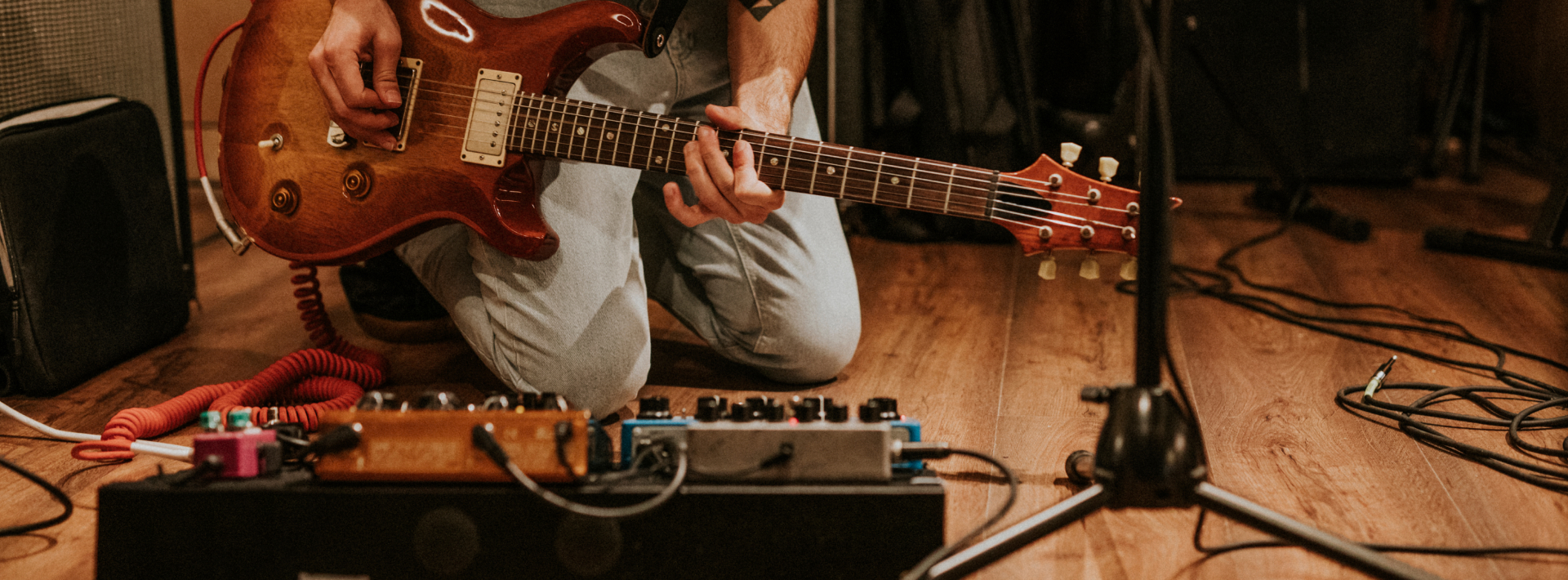
Musicians sometimes pair guitar multi-effects pedals with their basses to experiment with new tones. Mike Kerr of Royal Blood, for example, uses different effects pedals to make his bass sound like a guitar. This demonstrates how technology is changing the role of the bass in a band. Line 6 Helix allows musicians to replicate amplifiers and effects pedals using digital tools. It helps them build their own effects boards and experiment with more diverse tones. Brands like Musontek are constantly releasing new products. These tools help people unleash their creativity and experiment with new musical ideas.
Principales conclusiones
- You can pair guitar multi-effects pedals with your bass. This won’t damage your bass, but the tone may become thin.
- If you want a powerful bass tone, use effects pedals specifically designed for bass. These pedals are better at maintaining the fullness of the bass.
- Adjust settings like EQ and gain to improve the tone. Keeping the EQ flat will result in a stable tone.
- Try different effects, such as distortion, modulation, and reverb. This will help you find a unique tone that suits your bass.
- Always check your power supply and cables. This prevents noise and maintains tone clarity when using multi-effects pedals.
Can Guitar Multi-Effects Be Used with Bass?
Basic Compatibility and Safety
Guitar multi-effects pedals can be used on bass. It will not damage the bass or the pedal itself. Many musicians like to experiment with new tones using these pedals. Most guitar effects pedals are safe for bass, but the tone may be altered. Some pedals will make the bass bass sound less full, or even thin. Many bass players choose pedals designed specifically for bass to maintain a strong and clear bass tone.
- Guitar effects pedals can generally be used on bass, but some will change the bass tone or weaken its bass.
- The power supply must meet the voltage and current requirements of the effects pedal.
- A clear signal is very important; loose cables can produce noise or cause loss of sound.
- Bass players prefer to use pedals designed specifically for bass because they maintain bass clarity.
Musontek is a brand that produces excellent effects pedals for guitar and bass. Their effects pedals help musicians experiment with new tones and ensure equipment safety.
Tip: Before using a guitar multi-effects pedal on your bass, always check the power supply and cables. This prevents noise and ensures a full tone.
Sound Quality and Frequency Range
The bass has a lower pitch than the guitar. Guitar multi-effects pedals are designed for higher frequencies and may not be as suitable for the bass. Using guitar effects on the bass can cause the tone to lose power and clarity. Some effects pedals can make the bass sound thin and weak. Effects pedals designed specifically for bass can maintain a full and natural bass tone.
Musontek produces effects pedals for both guitar and bass. Their effects pedals can help you maintain a full bass tone and add interesting effects. If you want to experiment with a guitar multi-effects pedal, listen carefully to the changes in tone.
Note: If you want to maintain a full bass tone, use effects pedals designed specifically for bass. This helps maintain a full and clear tone.
Guitar Multi-Effects and Bass Signals
How Effects Process Bass Frequencies
Guitar multi-effects pedals are designed for the frequency range of a guitar. They emphasize the high frequencies and don’t always match the bass frequencies well. The table below shows the differences between guitar and bass signals:
| Aspecto | Guitar Signals | Bass Signals |
| Output Level | Moderate output level | Generally higher output level |
| Gama de frecuencias | Low E (82 Hz) to high E (659 Hz) | Low E (41 Hz) to high G (392 Hz) |
The bass produces notes that are lower than the guitar. When musicians use a guitar multi-effects pedal on the bass, the pedal may not handle the lowest notes well. This changes the sound, making it less full. Some pedals cannot pick up the bass bass, so the music may lack power. Musicians often notice that their bass sounds weak when using these pedals.
Common Issues (Loss of Low-End, Thin Sound)
Many musicians find that guitar multi-effects pedals make the bass sound thin. The pedals may not retain the bass, the deep, rich part of the bass tone. This is because effects pedals are not designed for the full range of bass notes. Some effects pedals cut off the lowest frequencies, causing the bass to lose its natural tone.
Bass-specific effects pedals help solve these problems. They are designed to maintain the strength and clarity of the low-frequency signal. These pedals allow musicians to control the input signal, thus preserving the true tone of the bass. Good bass effects pedals also allow musicians to mix clean signals with the effects signal. This maintains the bass’s solid bass while adding new character to the tone.
Tip: Musicians should look for effects pedals that maintain a strong bass. Mixing clean signals with the effects signal helps maintain the fullness and power of the bass tone.
Which Guitar Multi-Effects Work Best for Bass?
Distortion, Overdrive, and Fuzz
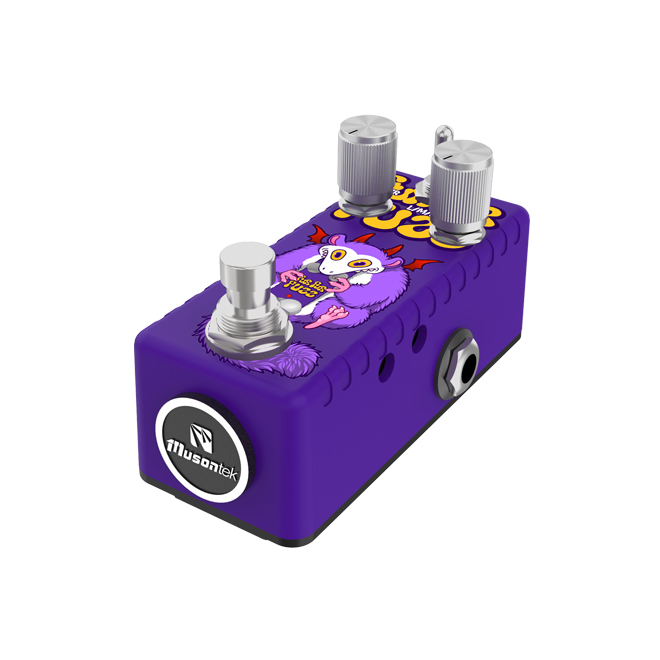
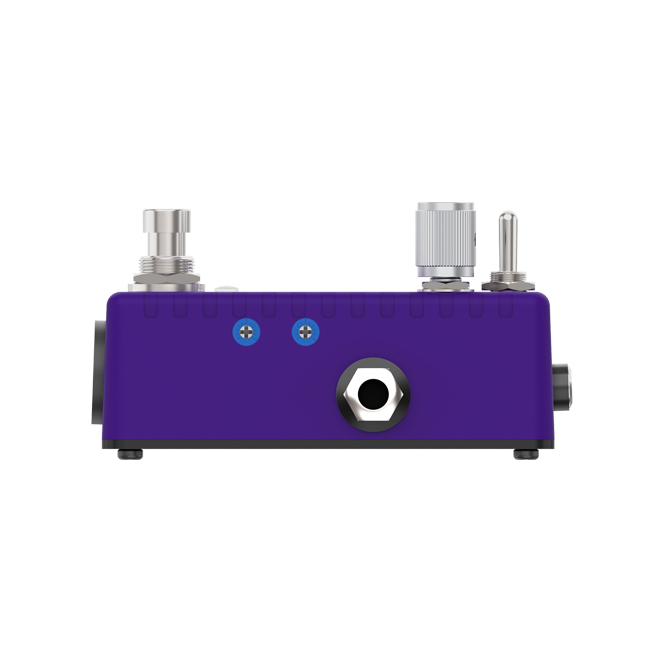
Distortion, overdrive, and faze effects pedals alter the tone of the bass. Many musicians use these pedals to enhance the volume and tone of the bass. Overdrive pedals can make the bass sound warm and mellow, like a tube amplifier. Distortion effects give the bass a powerful and sharp sound, perfect for rock and metal. Fuzz effects give the bass a rich, powerful sound, making it stand out in a band. Musontek’s FURFUR fuzz pedal helps bassists achieve cool and creative tones. The table below lists the effect of each effect on the bass tone:
| Tipo de efecto | Características | Applications |
| Overdrive | Slightly distorted, compressed tone | Organic, classic tones |
| Distorsión | Pronounced, aggressive tones | Hard-hitting, powerful tones |
| Pelusa | Thick, saturated, unique tones | Stand-out, creative tones |
Modulation (Chorus, Flanger, Phaser)
Modulation effects such as chorus, flange, and phase give the bass a deeper, more energetic sound. Chorus effects make the bass sound fuller and more layered. Flare effects give the bass a sweeping tone. The phaser adds a swirling effect to the bass. Musontek pedals help bassists achieve a powerful, full tone. Many musicians use these pedals to enhance the bass tone, making it richer and more pleasing.
- The chorus adds fullness and richness to the bass tone.
- The flanger gives the bass a dynamic, sweeping tone.
- The phaser adds a swirling effect to the bass.
Delay and Reverb
Delay and reverb effects help bassists add space and resonance to their tone. The best effects offer a variety of delay settings, from short, sharp beat delays to long, dreamy effects. Reverb makes the bass sound fuller and deeper. Musontek effects offer a rich selection of delay and reverb options. The table below lists some commonly used bass delay settings:
| Delay Type | Time (ms) | Feedback (%) | Mix/Level (%) |
| Slapback delay | 50-200 | 0-10 | Moderado |
| Moderate delay | 300-500 | 25-35 | 40-60 |
| Ambient delay | 600-1000 | 50-75 | Alta |
Compression and EQ
Compression and EQ effects help bassists control the bass tone. Compression effects can soften loud sounds and amplify soft sounds, resulting in a more balanced and powerful bass tone. Equalizers allow musicians to change the tone by boosting or attenuating certain notes. Musontek’s Remeowdel EQ and compressor pedals help bassists shape their tone for optimal results.
Octave and Synth Effects
Octave and synthesizer pedals can give the bass a completely new and unique tone. An octave pedal adds an extra note below the lead, making the bass sound fuller. Analog octave pedals deliver a rough, retro tone. Digital effects offer a clearer tone and can play multiple notes simultaneously. Musontek’s octave pedals help bassists experiment with new tones and inspire creative ideas. Synthesizer effects can transform bass tones into electronic sounds, providing inspiration for new musical ideas.
- Octave pedals make the bass sound fuller and more unique.
- Analog octave pedals deliver a rough, gritty tone.
- Digital octave pedals offer a clear tone and can play multiple notes simultaneously.
Tip: Bass players should experiment with different effects pedals to find the one that suits them best. A suitable envelope filter or octave pedal can help any style of bass playing stand out.
Tips for Using Guitar Multi-Effects with Bass
Adjusting Settings for Bass
Musicians will adjust the settings of their guitar multi-effects pedals to achieve their ideal bass tone. They will first check the equalizer and gain knobs. Keeping the equalizer flat helps maintain a stable tone. If the bass sounds weak, the musician can boost the bass or lower the treble. Cutting some midrange frequencies can prevent the tone from losing depth. Using a midrange cut equalizer can enhance both bass and treble, resulting in a fuller tone. Parametric equalizers allow musicians to change the pitch of specific notes by adjusting their volume.
When using effects pedals, musicians should be mindful of low-frequency loss. The blending knob helps maintain a clean bass tone, especially when using distortion or overdrive effects.
- Keep the equalizer flat for a stable sound.
- Only adjust settings when the room environment requires it.
- Understand how different notes affect tone.
- Use a parametric equalizer to better shape your tone.
Choosing Bass Effects Pedals
Choosing the right effects pedal is crucial for bass playing. Players need pedals that can maintain strong bass and have high input impedance. True bypass or buffer bypass helps maintain sound clarity. A proper power supply prevents hum and sound loss. Sufficient dynamic head prevents premature distortion. The table below lists key considerations for bass effects pedals:
| Especificación | Importance for Bass | Minimum Requirement |
| Low-frequency response | Keeps the deep bass strong | ±1dB down to 30Hz |
| True/buffered bypass | Keeps sound clear | High-impedance input (>1MΩ) |
| Power supply | Stops buzzing and dropouts | Isolated DC (≥150mA) |
| Input impedance | Makes sure the sound is loud | ≥1MΩ |
| Headroom | Stops early sound breakup | ≥9V peak-to-peak |
Musontek and other brands produce effects pedals with these characteristics. Their pedals can help bassists shape the tone and maintain a strong tone.
When to Use Bass-Specific Multi-Effects
Bass-specific multi-effects pedals help musicians achieve optimal tone. Musicians use these pedals when they want to maintain deep bass and clear notes. Bass pedals typically come with mixing knobs and are robustly constructed for durability. The Monstruo Musontek GRRR is known for its flexible tone adjustments and full bass response. The table below compares some brands and models:
| Brand/Model | Tonal Flexibility | Low-End Retention | Mix Controls | Calidad de construcción | Versatilidad |
| Monstruo Musontek GRRR | Alta | Excelente | Sí | Robust | Very High |
| Electro-Harmonix Deluxe Bass Big Muff Pi | Moderado | Bien | Sí | Solid | Alta |
| Behringer Bass Brassmaster | Moderado | Bien | No | Simple | Moderado |
| Fender Bassman Fuzz | Alta | Excelente | Sí | Solid | Alta |
| Jam Pedals Red Muck | Alta | Bien | Sí | Solid | Very High |
When musicians need a variety of tones and powerful bass, they use bass-specific multi-effects pedals. These pedals help shape tone and are ideal for both studio and live performances.
Guitar Multi-Effects Examples and Famous Users
Bassists Using Guitar Multi-Effects
Many bassists enjoy experimenting with guitar multi-effects pedals. Mike Kerr of Royal Blood uses these pedals to create a unique tone. He sometimes makes the bass sound like a guitar during concerts. Chris Wolstenholme of Muse uses guitar effects pedals to enhance the power and fun of his bass lines. Justin Chancellor of Tool also experiments with different effects pedals to change the band’s musical style.
Tip: Bassists can try new effects pedals like these musicians. Listen carefully to the changes in tone after using them.
Popular Multi-Effects Units for Bass
Bassists have many multi-effects pedals to choose from. Some pedals are dual-purpose for guitar and bass. The following table lists some popular equipment commonly used by bassists:
| Multi-Effects Unit | Características | Lo mejor para |
|---|---|---|
| Neural DSP Nano Cortex 2.0 | Small, over 50 effects, has bass options | Studio and live use |
| Line 6 HX One | Over 250 effects, simple controls, great sound | Versatile bass players |
| Boss GX-10 | Many effects, works for lots of styles | All bass players |
Many bassists choose these devices because of their good tone and powerful features. Some devices, such as the Neural DSP Nano Cortex 2.0, have effects specifically designed for bass. Others, such as the Line 6 HX One, allow bassists to experiment with various tones. The Boss GX-10’s advantage lies in its versatility across multiple musical styles.
Musontek also produces some great effects processors that can help bassists change their tone. These options can help bassists find their own musical style.
Note: Bass players should experiment with different effects pedals to find the one that suits them best.
Multi-effects pedals offer many benefits to bass players. They allow them to experiment with a variety of musical styles. These pedals are affordable and portable. Players can also create their own unique tone by adjusting the settings.
Of course, they also have some drawbacks. The sound quality may not be as good as individual effects pedals. Operating a multi-effects pedal can also be more complex.
Players should experiment with different effects pedals and carefully listen to the changes in tone. Brands like Musontek produce powerful and innovative effects pedals for bass players seeking the best results.