Ground loop isolators remove hum and noise in audio systems. These tools stop unwanted links between ground points. This keeps noise currents out through earth connections. Aislamiento del bucle de tierra works best with separate wall outlets. It also helps with many mains-powered devices. About 30% of home theater audio issues come from ground loops. Advanced models like Musontek ISO2C work well in car audio. They also help in DJ setups and old system integration. Users should pick devices that fit their needs. Isolators may be temporary fixes and can change sound quality sometimes.
Principales conclusiones
-
Ground loop isolators help lower hum and noise in audio systems. They do this by stopping the electric connection between devices. Picking the right isolator is important. Check things like decibel change and frequency range. This helps keep the sound clear. Installing the isolator the right way matters a lot. Always follow the maker’s instructions. This helps you avoid mistakes that can cause new noise. Ground loop isolators fix many audio problems fast. But they might not fix every kind of noise. If you still hear noise, look for other problems. Devices like the Musontek ISO2C work in many ways. They are simple to use. You can use them in home theaters, car audio, and pro setups.
Ground loop isolators overview

What they are
Ground loop isolators help get rid of noise in audio systems. These devices break the electric link between two pieces of gear. This stops hum and buzzing from ground loops. Many people use ground loop isolators at home, in cars, and for pro sound. The Musontek ISO2C is a dual-channel audio isolator. It works with both balanced and unbalanced signals. You do not need to plug it in for power. This makes it simple to use almost anywhere.
Tip: Never take off the ground plug from your gear. Doing this will not fix ground loop problems. It can also be unsafe.
Here is a quick look at some common ground loop isolators:
|
Tipo |
Descripción |
Características |
|---|---|---|
|
ISO2C |
Dual-channel audio isolator made to stop ground loop noise |
Works with balanced and unbalanced signals, no power needed, good for many setups |
|
ISO PRO |
Advanced isolator for ground problems and voltage differences |
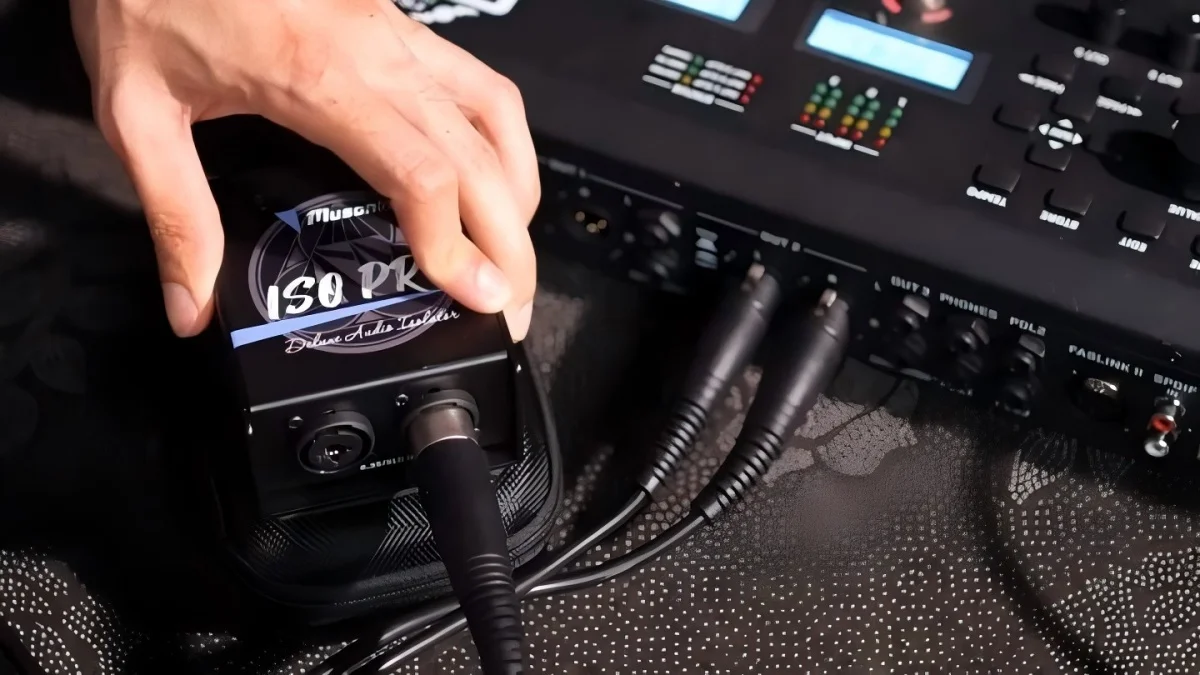
Gives better audio quality, keeps devices safe, great for studios and live shows |
How they work
Ground loop isolators use special transformers to move audio signals. These transformers send sound using magnetic fields. They do not let electricity go straight between devices. This breaks the ground loop and keeps noise away from speakers or amps. The Musontek ISO2C uses high-quality isolation transformers. It can handle two channels at the same time, so it is great for stereo.
Most ground loop isolators, like the ISO2C, do not need extra power. You just plug them into your audio setup. The device works right away. This makes it easy and helps you avoid mistakes.
Some people think taking off the ground plug or using “cheaters” will help. This is not true. It can be risky and does not fix the real issue. Isolation transformers in ground loop isolators are a safe and good way to solve the problem.
Effectiveness
Common scenarios
People use ground loop isolators in many audio setups. These devices help stop hum and buzzing from ground loops. Here are some common situations:
-
Guitar amps on stage connect to mixers far away. Using different outlets can cause voltage changes. This makes noise in the sound.
-
Mixing boards connect to power amps. The cable shield can finish a ground loop. This brings unwanted hum.
-
Car audio systems have many parts with separate power. This can cause ground loops.
-
Home theaters have devices in different wall outlets. This can make noise problems.
-
Recording studios share power but not always ground. This can lead to hum.
Ground loop isolators often fix these issues fast. Many people say they work well at home and in cars. Studies show about 30% of home theater noise comes from ground loops. Devices like the Musontek ISO2C help in these cases. They break the electric path and stop noise from reaching speakers or amps.
Note: Ground loop isolators give a quick fix for hum and buzz. They work best when used right and when you pick the right model.
Limitaciones
Ground loop isolators help a lot, but they have some limits. Users should know these before picking a solution.
-
Signal quality can drop when you add isolators. Some models change the sound, mostly at low frequencies.
-
If the impedance does not match, more problems can happen. Users must check if their gear matches the isolator.
-
You must install isolators carefully. Mistakes can make new ground loops or not fix the problem.
-
Big audio systems may still have noise. Many ground paths or strong interference can be hard for isolators.
-
Some isolators lower sounds below 2.2 kHz. This can make the sound worse in sensitive setups.
-
Devices with differential inputs can stop ground loops without isolators. Users should think about this when planning.
Ground loop isolators break the electric path between circuits with different grounds. They remove unwanted currents and noise. This keeps audio signals clean and steady. In tough places, isolators help keep sound good and protect gear.
Other ways can also remove hum. Users can connect all devices to one ground point. Keeping AV gear away from metal conductors helps too. Checking each device and asking an electrician can solve grounding problems.
Installation
Steps
Putting in ground loop isolators can make sound better in many setups. The Musontek ISO2C is easy to use and needs no extra power. You do not need special tools for it. Just put the device between the audio source and the speakers or amplifier. The ISO2C works with both balanced and unbalanced signals. This means you can use it in home theaters, car audio, or studios.
Check all cables and connectors before you start. Clean cables help stop noise. Put the isolator close to the audio source for best results. Make sure the device fits tightly in the signal path. If you have stereo sound, connect both channels to the ISO2C.
People sometimes make mistakes when installing these devices. These mistakes can stop the isolator from working. The table below lists common errors and what can happen:
|
Installation Mistake |
Consequence |
|---|---|
|
Improper grounding |
Equipment may float, leading to high chassis voltage and compromised noise rejection |
|
Incorrect signal path insertion |
Ground paths can be interrupted, increasing noise levels |
|
Using ungrounded equipment |
Can result in common-mode voltage issues, affecting isolator performance |
Tip: Always use the instructions from the manufacturer. This helps you avoid problems and keeps your audio system safe.
Troubleshooting
Sometimes, ground loop isolators do not fix all noise. You can try a few things to help:
-
Make sure all devices use the same ground.
-
Move your gear away from metal things.
-
Check every device and connection for issues.
-
Look for bad connections or electrical noise.
If you still hear noise, test each part of the system. Unplug devices one at a time to find the problem. Sometimes, changing the cable or moving the isolator helps. If you still have trouble, you may need help from an expert.
Note: Careful setup and checking can fix most ground loop problems. The Musontek ISO2C makes this easier because it is simple to use.
Choosing ground loop isolators
Factors
Picking the right ground loop isolator helps fix sound issues fast. People should check a few key things before buying one. Good isolators have clear details about how they work. These details include decibel deviation and frequency range. Devices with lower dB deviation keep the sound closer to the original. A big frequency range, like 30 Hz to 20kHz, works for most audio gear. If a product does not show these details, it might not work well.
|
Característica |
Importance |
|---|---|
|
Decibel (dB) deviation |
Smaller dB values mean better sound across the audio range. |
|
Frequency range |
A range like ’30 Hz to 20kHz’ works with many audio sources. |
|
Specification availability |
No specs often means the product is not high quality. |
It is important to make sure the isolator fits your setup. Users need to check if it works with balanced or unbalanced signals. Some isolators work with RCA, XLR, or 3.5mm connectors. The Musontek ISO2C can handle both balanced and unbalanced signals. This makes it a good pick for home, car, or studio setups.
Tip: Always look at the product manual. This helps you match the isolator to your audio system.
Ground loop isolators help stop hum and noise if you use good ones. You must install them the right way. The type of device and how well it is made matter a lot for sound. If you follow the setup steps, you can avoid many problems. This also makes your music or sound clearer. Before you buy, check for ground current between your devices. Look for voltage differences and any signs of damage. Careful checking keeps your gear safe and gives you better sound.
Tip: Always keep power supplies apart and follow the maker’s instructions. This keeps your audio system safe and working well.
PREGUNTAS FRECUENTES
What is a ground loop?
A ground loop happens when two devices use different ground points. This makes a loop that can bring in noise. The noise sounds like a hum or buzz in speakers.
Can ground loop isolators fix all audio noise?
Ground loop isolators take away hum from ground loops. They do not fix every kind of noise. Problems like bad cables or interference need other fixes.
How does the Musontek ISO2C connect to my audio system?
The Musontek ISO2C goes between your audio source and amplifier or speakers. It works with both balanced and unbalanced signals. You do not need extra power. Just connect the cables and it starts working.
Will a ground loop isolator affect sound quality?
Most good isolators, like the Musontek ISO2C, keep sound clear. Some cheap models may change the audio a little, mostly at low frequencies. Always pick a device with good specs.
Do I need special tools to install a ground loop isolator?
You do not need special tools. Most ground loop isolators, like the ISO2C, use a plug-and-play design. You only need to connect the device with regular audio cables.
Tip: Always check your cables and connections before you install any isolator.