
Yes, guitarists can use two overdrive effects simultaneously. Layering effects helps musicians create tones that a single effect or amp cannot achieve. Many people layer effects for the following reasons:
- They can create a wide variety of different tones.
- They offer better control over tone and gain.
- They can adjust the tone to suit different needs, such as live performances or quiet practice.
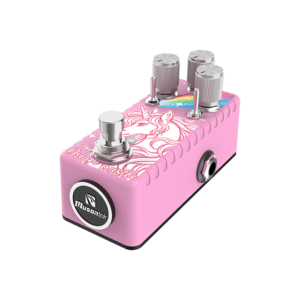
Effects like the Musontek Overdriver Dream Castle make it easy for anyone to experiment with new tones. Beginners often learn a lot by mixing different effects to find unique tones. Understanding how each effect works and the order in which they are used is crucial. Musontek’s pedal de distorsión overdrive approach provides musicians with multiple avenues for creating creative tones.
Principales conclusiones
- Using two overdrive effects simultaneously can create many new tones that a single effect cannot achieve. Experimenting with different effects orders is very important. The first effect is responsible for generating the primary tone, while the second effect changes the feel of the tone. Start with a low-gain effect to maintain the clarity of the tone, then use a high-gain effect to enhance the tone, but don’t muddy it. Connecting an equalizer after an overdrive effect can help you shape your tone and maintain clarity. Musontek effects offer a wealth of layering options, allowing musicians to easily experiment with new tones.
How stacking overdrive pedals works
What is stacking?
Layering refers to using two or more overdrive effects in a signal chain. Many guitarists enjoy layering effects because it opens up entirely new tonal possibilities. When layering effects, each effect adds a unique flavor to the guitar tone. This process is called gain layering. It allows musicians to blend the best characteristics of different effects, creating tones that cannot be achieved with a single effect.
Layering overdrive effects provides musicians with virtually unlimited tonal adjustment. It helps achieve a warmer tone at lower volumes, making it ideal for home practice or small performances.
Musontek’s Overdriver Dream Castle is a stompbox designed specifically for layering effects. It offers a rich selection of tones and works seamlessly with other effects, allowing anyone to easily experiment and find their own unique tone.
Signal flow and pedal order
The order of overdrive effects in the signal chain is crucial. Most musicians place overdrive effects at the beginning of the chain, immediately after the tuner and compressor. This setup allows the effects to process the guitar signal as cleanly as possible. When layering effects, the second effect in the chain has the greatest impact on tone. The first effect sets the foundation, while the second gives it its unique character.
- The overall tone is shaped by the second effect used in the layering.
- Placing overdrive effects before modulation and delay effects helps maintain clarity and smoothness of sound.
- Changing the order of effects can produce novel and interesting tones.
Musicians often experiment with different effects orders to find their favorite tone. Some prefer high dynamic range and low compression, while others prefer a smoother, more controllable tone.
Gain staging basics
Gain control refers to setting the appropriate amount of gain at each stage of the signal chain. When using overdrive effects, the first effect shapes the tone, and the second effect enhances it. This method allows musicians better control over the tone.
Here’s a simple way to control gain using two overdrive effects:
- First, build a clean base tone using a low-gain effect.
- Then add a high-gain effect to shape the tone, but don’t muddy it.
- Make sure the last effect in the signal chain is the one you want to emphasize, as it has the biggest impact on the final tone.
Using low or medium gain effects helps maintain tone clarity. If both effects have too much gain, it will result in a muddy tone. Many musicians find that layering overdrive effects provides smoother gain and helps the guitar stand out in the mix, even at lower volumes.
Tip: Using an EQ pedal after your overdrive pedals can help you fine-tune your sound even more.
Overdrive pedal combinations
Mixing low and high gain pedals
Many guitarists like to mix low-gain and high-gain overdrive effects. They start with a low-gain effect to maintain a clear and smooth tone, then add a high-gain effect to enhance power and articulation. This setup allows musicians better control over distortion. For example, someone might use a Musontek Overdriver Dream Castle as a low-gain effect and a Functional GRRR Monster as a high-gain effect.
Tip: Try turning down the gain on the first pedal and turning up the gain on the second. This helps keep the sound from getting muddy.
Classic stacking setups
Professional guitarists often use famous pedal combinations to get their signature sound. They experiment with different setups to find what works best for them. Here’s a table showing some classic pairings:
| Overdrive Pedal Combination | Descripción |
| BOSS OD-3 and SD-1 | A classic pairing for versatile overdrive sounds. |
| BOSS SD-1 and BD-2W | Combines different tonal characteristics for a richer sound. |
| BOSS CS-3 and OD-3 | Adds sustain and consistency to overdrive sounds. |
| BOSS CS-3 and BD-2W | Enhances dynamics while maintaining clarity. |
| BOSS CH-1 or CE-2w and BD-2W | Thickens tone and adds sparkle to overdrive. |
| BOSS CH-1 or CE-2w and SD-1 | Complements overdrive with a lush chorus effect. |
Musontek pedals also work well in stacking setups. Players can combine the Functional GRRR Monster with the Overdriver Dream Castle to create unique sounds. These pedals help musicians shape their tone for live shows or studio recordings.
Order and tonal impact
The order in which overdrive effects are used greatly affects tone. When a musician uses an effect first, it shapes the basic tone. A second effect adds more color and personality. Changing the order of effects pedals can make the sound brighter or darker. Placing an overdrive pedal at the beginning of an effects chain results in a more natural tone. Placing it at the end can muddy the sound, especially when used with other effects.
Guitarists build their style by layering effects. They experiment with different pedal orders and settings until they find a sound they like. Musontek effects provide them with the tools to experiment and discover new tones.
Setting up overdrive pedals
Choosing your pedals
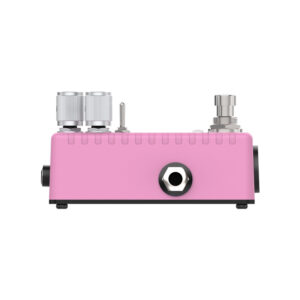
Choosing the right effects is crucial. Musicians often consider the type of overdrive, such as the Tube Screamer or Klon. Some want gain effects, while others prefer classic overdrives. They experiment with different effects to find one that suits their style. The guitar and amp also affect the tone. Musontek offers a variety of options, such as the Overdriver Dream Castle and the Functional GRRR Monster.
Tip: Using Musontek’s Clean Boost can add clarity and volume without changing your tone. It works well before or after your overdrive pedals.
Arranging your signal chain
Properly arranging the signal chain helps maintain sound clarity. Most musicians place overdrive effects at the front of the signal chain. This allows the effects to function with a clean signal. After overdrive, they add modulation effects such as chorus or phase. Delay and reverb are placed last.
Here’s a simple table for arranging your pedals:
| Tipo de pedal | Position in Chain |
|---|---|
| Buffer/Boost | En primer lugar |
| Overdrive | Early |
| Modulación | After Overdrive |
| Delay/Reverb | Last |
Dialing in settings
Musicians adjust settings to achieve the best tone. They start by setting the amp to clean mode. The guitar volume knob is set to the middle. All knobs on the overdrive effect are set to the middle. The first effect sets the basic tone. The second effect adds gain or tone polish. Musicians fine-tune the EQ and gain knobs until the sound is right. They play and listen, then make subtle adjustments. Layering low or medium gain effects helps maintain tone clarity. Using your favorite pedals last yields the best results.
Note: Using clean gain before a solo can make your guitar stand out in a band.
Musicians will repeat these steps until they find a sound they like. They will experiment with different stompbox orders and settings to discover new tones.
Overdrive pedal Tips and common mistakes
Balancing gain and clarity
Many guitarists want a strong sound, but they also want their notes to stay clear. They often stack overdrive pedals to get more power. If they turn up the gain too much, the sound can lose its shape. He or she should start with lower gain settings on each pedal. This helps the guitar stay bright and clear. Players can adjust the volume knobs to keep the sound from getting too loud or squashed. When they listen closely, they can hear if the tone starts to get muddy. If that happens, they can turn down the gain or try a different pedal order.
Tip: He or she should always check the output level after stacking pedals. This keeps the sound from getting too compressed.
Avoiding muddiness and noise
Layering stompboxes can sometimes muddy or noisy. Many musicians encounter the following problems:
- They set the gain of both stompboxes too high.
- They don’t control the output levels, which leads to unnecessary compression.
- They don’t understand the tone of each effect, so the sound is easily lost.
These problems can be solved by lowering the gain and carefully listening for tonal changes. If the sound becomes too muddy, you can lower the gain or use an EQ pedal to cut some low frequencies. Musontek’s Buffer Adjudicator can help keep the signal strong and clear. Musicians should also pay attention to additional noise. If you hear a hum, try moving the effect or using a better cable.
Experimenting for unique tones
Every guitarist has a different style. They can experiment with new effects combinations to find a unique tone. Many brands now offer great stacking features. For example, some effects use the Tectonic™ Pin System. This design makes stacking effects both convenient and safe. If subjected to a violent impact, the pin breaks, thus not damaging the effect. Musicians can also quickly replace the pin with just one screw. These new designs help guitarists build robust effects boards.
| Característica | Descripción |
|---|---|
| Tectonic™ pin system | Lets players stack pedals easily and keeps them safe from damage. |
| Easy pin maintenance | One screw lets players change pins fast. |
| Breakoff technology | Pins break off if hit, so the pedal stays safe. |
| Non-threaded design | Stops damage when removing pins or if pedals get bumped. |
Players can try Musontek pedals or mix brands to find what works best. There are no strict rules. He or she should experiment and have fun with new sounds.
Guitarists can unlock new sounds by stacking two overdrive pedals. They get these main advantages:
- A wide range of tones not possible with just one pedal.
- Endless ways to tweak and adjust their sound.
- Better control over tone and gain, even on stage.
- Smooth blues tones at lower volumes.
Musicians can mix different brands for more variety. Musontek’s Dream Castle Overdrive offers both modern and vintage modes, making it easy to try new setups. There are no strict rules—creativity and personal taste always win.
PREGUNTAS FRECUENTES
Can two overdrive effects be layered?
Yes, almost two overdrive effects can be layered. Some effects work even better when combined. Musicians should experiment with different combinations to find the tone that best suits their style.
Does the order of the effects matter when layering?
The order of the effects affects the tone. The first effect sets the foundation, while the second adds more color. Musicians often adjust the order to try new tones.
Will layering overdrive effects make the guitar too noisy?
If the gain is too high, layering can increase noise. Musicians can reduce the gain or use a buffer effect like the Musontek Buffer Adjudicator to keep the signal clear.
Which Musontek effects are good for layering?
The Musontek Overdriver Dream Castle and Functional GRRR Monster work well together. Musicians can also use Clean Boost to improve clarity. These effects help create a unique tone.