Yes, you can use a caja DI pasiva to connect an electric guitar. Several important factors will affect its performance:
- Type of guitar pickup
- Intensity of the guitar signal
- The effect you want to achieve in a live or outdoor performance
- How simple and economical you want your setup to be
The signal chain ensures sound quality by matching the impedance of the guitar and the sound system. The Musontek PD1L passive DI box provides musicians with a simple and reliable way to achieve a clear and balanced sound.
Principales conclusiones
- A passive DI box helps connect an electric guitar to a sound system. It ensures a clear sound and matches the correct impedance.
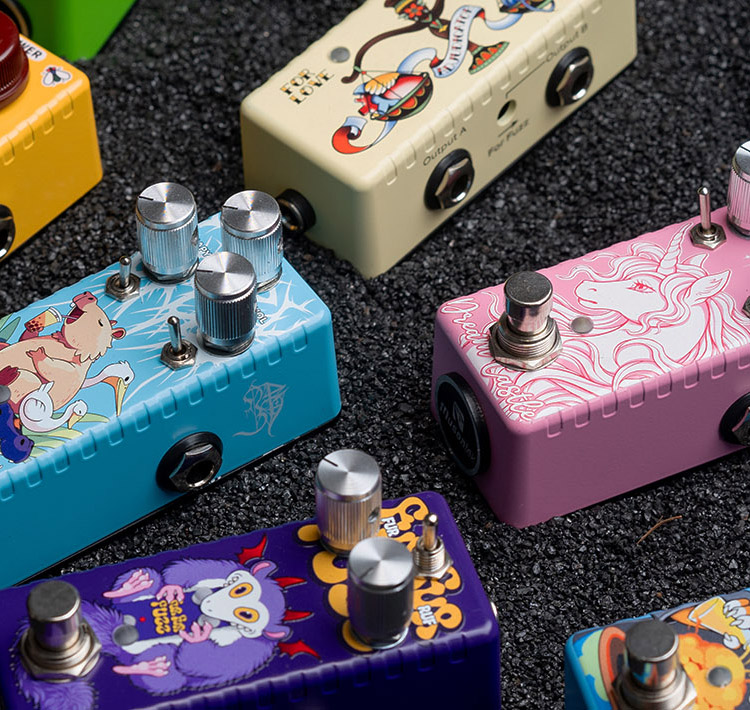
- Using a damping pedal in front of the DI box amplifies the signal. This prevents tone decay and maintains clarity.
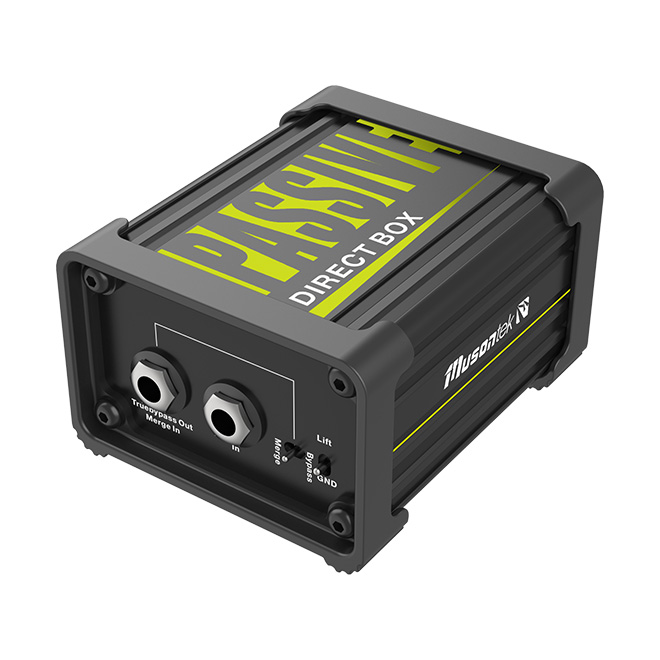
- The Musontek PD1L passive DI box is ideal for musicians. It features a ground switch and an attenuation switch for better control of the sound.
- Do not plug passive pickups directly into a passive DI box. This will result in a muffled sound and loss of high frequencies.
- Passive DI boxes are durable and affordable, making them ideal for flexible setups and live performances.
- How Passive DI Enclosures Work
Signal Conversion and Isolation
Passive DI enclosures are used to connect electric guitars and other audio equipment. They use a transformer to convert the guitar’s high-impedance unbalanced signal to a low-impedance balanced signal. This allows sound to travel long distances without noise or loss of sound quality. The transformer also isolates the guitar from the audio system, preventing ground loops and reducing hum.
The following table lists the functions of passive DI enclosures:
| Función | Descripción |
| Conversión de señales | Changes high impedance signals from electric guitars to low impedance, balanced audio signals. |
| Adaptación de impedancias | Matches the impedance of the guitar to the input of audio equipment, keeping sound quality. |
| Signal Isolation | Keeps input and output apart, stopping ground loops and noise. |
A passive DI box does not need batteries or outside power. It works because of electromagnetic induction inside the transformer. This makes it dependable and simple to use in many places.
What Happens When You Connect a Guitar
When you plug an electric guitar into a passive DI enclosure, it starts working immediately. The passive DI enclosure matches the guitar’s impedance to the mixing console or recording equipment, maintaining a clear and powerful sound. Balanced outputs allow signals to travel over long cables without introducing additional noise.
Passive DI boxes also preserve guitar tone by preventing high-frequency loss. They reduce noise and interference in the signal chain. Musicians can plug their instruments directly into the balanced microphone input of a mixing console or audio interface.
- Maintaining sound quality by preventing high-frequency loss.
- Reducing noise and interference in the signal chain.
- Allowing direct connection to balanced microphone inputs.
Passive DI boxes are ideal for electric guitar live performances and recording studios. They maintain tonal accuracy and help musicians avoid technical problems.
Passive DI Box Pros and Cons
Advantages for Electric Guitar
Passive DI boxes offer numerous benefits to electric guitarists. Many musicians love them because they are easy to use and perform well. Here are the main reasons:
- These DI boxes are very robust and durable. They can withstand shocks and continue to function properly. They can withstand the test of live performances and touring.
- They are more affordable than active DI boxes, making them an ideal choice for many bands and musicians.
- High-output electric guitars work exceptionally well with these DI boxes. The device preserves the natural characteristics of the guitar’s tone. It requires no batteries or additional power.
Tip: Many guitarists use passive DI boxes on stage. They require no complicated setup or additional equipment.
Disadvantages and Tone Impact
Passive DI boxes also have some issues. Musicians should be aware of these issues before choosing one.
- Low-frequency harmonic distortion can occur. This happens when the signal is too strong.
- Some inexpensive DI boxes can alter the guitar’s tone. The sound may not remain the same.
- The placement of the DI box is important. If it’s near other electronic devices, it may be subject to unwanted noise interference. This increases setup difficulty.
Musicians should check the tone before playing. This helps maintain tone clarity and avoid problems.
When to Use a Passive DI Box

Best Scenarios (Active Pickups, Buffered Pedals)
Passive DI boxes are often chosen by musicians who want simple and reliable equipment. The Musontek PD1L passive DI box is easy to use. Simply plug it in and it’s ready to use. It’s ideal for instruments with active pickups. In a signal chain, it’s also suitable after a humped effect.
The following table lists the scenarios where people prefer to use passive DI boxes:
| Scenario | Reason for Preference |
| Outdoor concerts and festivals | No power sources available, simplicity needed |
| School assemblies or church events | Reliability and ease of setup |
| Quick setups for bands on stage | Fast deployment without needing power |
| Recording with high-output instruments | Minimize noise and maintain clean signal |
Guitars and basses with active pickups produce strong signals. Buffer effects help stabilize the signal before it reaches the DI box. These settings help passive DI boxes perform at their best, maintaining a clear and balanced sound.
The Musontek PD1L is ideal for today with the following features:
| Característica | Descripción |
| High-volume signal handling | Handles loud sounds without altering the original tone |
| Tone preservation | Keeps the natural characteristics of the guitar tone |
| Plug-and-play operation | Simple to use, no batteries or phantom power required |
| Ground switch and attenuation switch | Provides enhanced control in various settings |
Why These Setups Work Well
Passive DI boxes are best suited for strong, stable signals. Active pickups and buffered effects provide this signal. They help the DI box match impedance, thus maintaining tonal accuracy.
Passive DI boxes work exceptionally well with all active sources, such as active basses, electric keyboards, etc., but the tone of some electric guitars and acoustic pickups can be unacceptably affected due to their lower-than-ideal input impedance.
Musicians use passive DI boxes to connect buffered effects or active pickups for the following reasons:
- Active pickups and buffered effects produce a strong signal that matches perfectly with the DI box.
- DI boxes can easily handle high-impedance sources.
- This setup maintains a clean sound and reduces unwanted noise.
Passive DI boxes like the Musontek PD1L require no batteries or phantom power. This makes them ideal for quick setups and live performances. Grounding and attenuation switches provide musicians with more control options, allowing them to adjust for different venues and equipment.
When to Avoid a Passive DI Box
Passive Pickups Direct to DI
Guitarists often use electric guitars with passive pickups. These pickups lack built-in power or active circuitry. Problems can arise when a guitar with passive pickups is directly connected to a passive DI box. Passive pickups produce weak and sensitive signals, and the impedance of the DI box may be mismatched with the passive pickup’s impedance. This impedance mismatch alters the tone.
Many guitarists notice their guitar tone becomes dull or loses clarity; the highs may sound softer, and the overall tone feels hollow and lifeless. This is because the DI box cannot handle the weak signals from passive pickups as effectively as it can with active pickups or buffered effects.
Note: Guitarists who want to maintain their guitar’s original tone should avoid directly connecting passive pickups to a passive DI box.
Potential Tone Loss and High-End Roll-Off
Tone loss and high-frequency attenuation are common problems with this connection method. These issues can make the guitar sound less bright and less detailed. There are several reasons for this:
- Impedance mismatch causes changes in the frequency response, which is crucial for understanding tone loss.
- High-frequency signals change rapidly, while low-frequency signals change slowly, which affects how guitar tone is transmitted through the DI box.
Guitarists who want to avoid these problems have some good options. They can use a buffer pedal in front of the DI box. This pedal can amplify the signal and match impedance. Another solution is to use an active DI box, which is better at handling weak signals.
Some musicians use different setups to maintain tone clarity:
- Instrument → DI Box → Preamp → Audio Interface (or Tape)
- DI Box + Amplifier Mix (Signal Separation)
- DI Box → Preamp → Reamp Box (for subsequent amplification or effects processing)
- Stereo Synthesizer and Keyboard
Each method helps maintain a strong and bright guitar tone. Musicians should test their setups before playing or recording. This helps them find the tone that best suits their music.
Tips for Best Results with a Passive DI Box
Using Buffers or Pedals First
Many guitarists achieve better sound quality by using a buffer pedal in front of a passive DI box. A buffer pedal amplifies the guitar signal and reduces output impedance, allowing the signal to travel further without loss of sound quality. Using a buffer pedal keeps the guitar tone bright and clear. Some effects pedals, such as the BOSS pedal, have built-in buffering to maintain tone consistency.
Tip: A buffer pedal prevents tone loss and maintains signal strength. This is very useful when using long cables or connecting multiple effects pedals.
Leveraging Features Like Ground Lift and Pad Switch
The Musontek PD1L has several features to help musicians achieve a clean, balanced tone. The grounding switch eliminates hum and hiss by disconnecting the ground connection between the instrument and the mixer, making the signal clearer and eliminating noise. The attenuation switch reduces excessive signal volume, preventing distortion. Musicians can use the attenuation switch if the instrument volume is too high. These features make setup simple, easy to use, and reliable.
The table below illustrates the function of these features:
| Característica | Beneficio |
| Elevador | Gets rid of hum and buzzing |
| Interruptor de almohadilla | Stops distortion from loud signals |
Musicians should do these things for the best results:
- Match the DI box to the instrument. Use guitars with strong signals for the best sound.
- Make sure the ground is right. Use the ground lift switch if you hear hum.
- Pick good cables. Cables with good shielding keep the signal clean.
- Set gain and EQ right. Make sure the levels do not clip or distort.
Note: Musicians should not overload transformers. Use the correct attenuation settings. Check the input signal level before plugging in the device.
Passive DI boxes like the Musontek PD1L allow musicians to control the tone. These steps help maintain audio clarity and faithfully reproduce the true tone.
Passive DI boxes help electric guitarists achieve a clear sound and are suitable for a variety of occasions. Musicians should consider their guitar, playing venue, and budget before choosing a DI box. The advantages of passive DI boxes include low noise, robust construction, and ease of use. The table below lists the sonic characteristics of various DI boxes:
| Tipo de caja DI | Sound Quality Characteristics |
| Pasivo | Makes sound clean and natural, best for loud instruments. |
| Activo | Makes weak signals stronger and clearer for quiet instruments. |
Musontek PD1L is known for being reliable and working well.
PREGUNTAS FRECUENTES
Will a passive DI box damage an electric guitar?
A passive DI box will not damage an electric guitar. It only changes the signal type and does not power the guitar. Most electric guitars can be used safely.
Does a passive DI box require batteries or a power source?
A passive DI box does not require batteries or an external power source. Its internal transformer operates without a power source. This makes setup simple, reliable, and convenient for musicians.
What is the purpose of the grounding switch?
A grounding switch eliminates unwanted hum or hiss. It disconnects the ground connection between the guitar and the mixing console. Musicians can use this switch to achieve a cleaner sound.
Can a passive DI box be used with effects pedals?
Yes, a passive DI box works well with effects pedals, especially those with buffers. Effects pedals help maintain signal strength. This combination can make the guitar tone clear and bright.