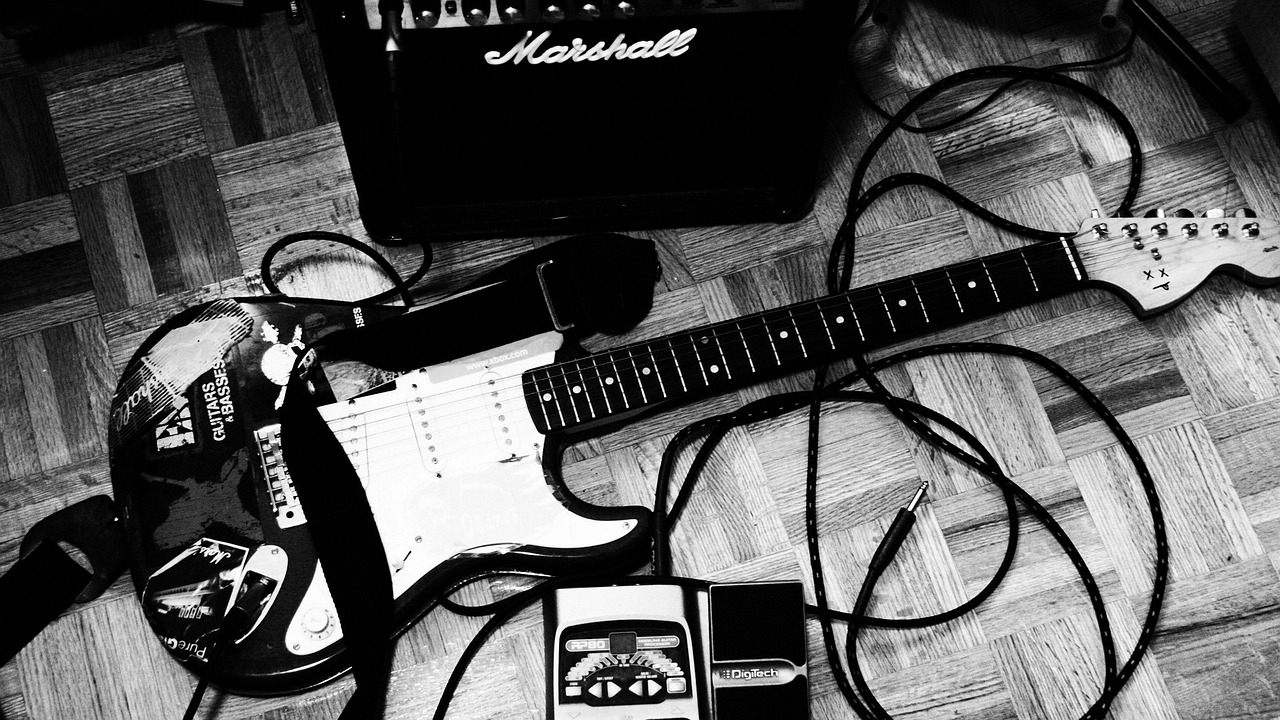
I use a noise isolator to get rid of unwanted hum and interference in my audio system. Devices like a ground loop isolator stop annoying sounds. They do this by breaking the electrical connection that causes Erdschleifenisolierung problems. I suggest the Musontek Zweikanal-Audio-Isolator - ISO2C because it works well in any setup. Many audio experts also trust the Zweikanal-Audio-Isolator - ISO PRO for clean and clear sound.
Wichtigste Erkenntnisse
Noise isolators remove extra hum and noise in audio systems. This helps make the sound clearer.
Ground loop isolators stop electrical links that make noise. They are important for clear sound in many setups.
Pick a noise isolator with two channels and support for balanced or unbalanced signals. This helps it work with many kinds of audio gear.
Find isolators with studio-grade transformers to keep sound quality high. These also help stop sound from getting messed up.
Check connections and cables often to fix any sound problems after you put in a noise isolator.
Noise isolator basics
What is a noise isolator
I use a noise isolator to stop hum and interference in my audio system. It sits between audio parts and blocks electrical noise in cables. This device helps me hear clear sound at home, in my car, or in a studio.
Noise isolators come in many shapes and styles. Some use special stuff to soak up shaking. Others use electromagnetic transformers to break the path that causes noise. Many people mix up noise isolators with other audio tools, like surge protectors or active noise canceling headphones. But a noise isolator stops noise in the audio signal path, not just outside sounds.
Here is a table that lists some common types of noise isolators and how they are different:
Typ | Design Description | Profis | Nachteile | Dimensions | Preis |
|---|---|---|---|---|---|
Cerapuc and Cerabase | Stainless steel build with high weight support. | Works with many audio parts. | Can cost a lot. | 1.4” diameter x 1.2” H | $175, set of 3 |
Gingko | Uses soft balls between Plexiglas for vibration isolation. | Good under many devices. | Makes things taller. | 18″W x 14″D x 2.5″H | $299 and up |
Marigo | Made for many electronics with different features. | Small and cheap choices exist. | Height can be a problem. | Small – 1.5″H x 1.25″D | $1199, set of 3 |
Polycrystal | Gives balanced results for a fair price. | Cheap and works in most systems. | Not always easy to find. | Standard – 1”H x 1.25”D | $65, set of 3 |
SAP Relaxa | Uses magnetic levitation for isolation. | Works great in most cases. | Does not like uneven weight. | K.A. | K.A. |
Erdschleifen-Isolator | Breaks ground loops with electromagnetic transformers to stop noise. | Easy and works well for noise. | K.A. | K.A. | K.A. |
I pick a noise isolator when I need to fix ground loop or electrical noise problems. This makes it different from things that only filter power or block outside noise.
How noise isolation works
When I set up my audio system, I sometimes hear a low hum or buzz. This noise often comes from ground loops or interference between devices. Noise isolation helps by stopping these signals before they reach my speakers.
The Musontek ISO2C is a good example of a modern noise isolator. I use it because it has advanced isolation transformer technology. This breaks the ground loop and keeps my audio clean. The ISO2C works with both balanced and unbalanced signals, so I can use it with many devices. Its wide frequency range, from 20Hz to 20kHz, means I do not miss any music or sound. The device can handle high input levels, up to +21dBu, which is great for home or pro setups. I also like its strong build, so it works well for travel or permanent use.
Tip: I always check if my noise isolator uses passive transformers. This kind does not need power and does not add extra noise to my system.
Noise isolation is not the same as active noise canceling. Active noise canceling uses microphones and electronics to block outside sounds, like in headphones. Noise isolation stops electrical noise inside the audio system. I use noise isolation to keep my sound clear, especially when I connect different devices.
Ground loop isolator function
Why ground loops cause noise
When I set up my audio system, I sometimes hear a steady hum or buzz. This noise often comes from a ground loop. A ground loop happens when two or more devices connect to different ground points. These points can have small differences in electrical potential. When I link my devices together, these differences create a loop. The loop acts like an antenna and picks up unwanted signals.
In my car audio system, I notice ground loop noise most when I connect extra amplifiers or audio sources. The hum gets louder when I accelerate or turn up the volume. In my home stereo, I often hear a 60Hz or 50Hz hum. This matches the frequency of the power supply in my house. The same thing happens in professional audio setups. The hum can ruin a recording or live performance. I find that ground loop noise distracts from the music and makes the sound less clear.
Note: Ground loop noise is one of the most common problems in audio systems. It can show up in cars, homes, and studios.
How ground loop isolators fix hum
I use a ground loop isolator to solve this problem. The device sits between my audio source and my speakers or amplifier. The Musontek ISO2C is my top choice for this job. It uses special isolation transformers to separate the input and output signals. This separation breaks the ground loop. When I use the ground loop isolator, the unwanted hum disappears, and my music sounds clean again.
Here is how ground loop isolators like the Musontek ISO2C work:
The device uses isolation transformers to keep the input and output signals apart.
This design interrupts the ground loop caused by different ground potentials.
By breaking the loop, the ground loop isolator removes the hum and keeps the audio signal strong and clear.
I use ground loop isolators in many places:
In my car audio system, I connect a ground loop isolator when I add new amps or head units.
At home, I use a ground loop isolator with my stereo or home theater to stop the 60Hz hum.
In professional studios, I rely on ground loop isolators to keep recordings free from noise.
When I add a ground loop isolator to my setup, I notice an instant improvement. The hum goes away, and I hear only the music or sound I want. The Musontek ISO2C works well in all these situations. It gives me peace of mind, knowing my audio will stay clean and professional.
Noise isolation and sound quality
Does noise isolation affect audio
When I put a noise isolator in my audio system, I listen for changes in sound. I want my music and recordings to sound the same as before. Many people wonder if noise isolation changes how clear or true the audio is. From what I have seen, a good device like the Musontek ISO2C keeps the sound clean.
After I use noise isolation, I notice some good things:
Instruments and voices sound more real.
The sound feels more three-dimensional.
Rhythm and pace seem smoother.
Bass sounds clearer, and floor shakes go away.
I have measured less unwanted echo and better harmony. These changes make listening much nicer. Active noise canceling blocks outside sounds, but noise isolation works inside the audio system. It removes hum and interference without adding distortion or changing the music.
Preserving fidelity with isolators
I trust the Musontek ISO2C because it has studio-grade transformers. These transformers break the electrical link between devices. This stops noise from getting into the audio signal. The passive isolation design means it does not need power and does not add extra noise. My recordings and playback sound almost like the original, with little distortion or hum.
Some people think using a noise isolator makes the signal weaker or lowers sound quality. I learned this is not true. Small gaps or bad materials can hurt isolation, but a well-made isolator like the ISO2C keeps the sound true. If I hear lower volume, I just change my amplifier or source settings.
Tip: I always pick isolators with good reviews and studio-grade parts. This keeps my sound quality high and my system working well.
Noise isolation helps me know my audio setup will give great sound. I think it is good for anyone who wants to enjoy music, movies, or recordings without extra noise.
Choosing a noise isolator
Key features to look for
When I pick a noise isolator, I want clean sound and easy use. I always check if it has dual channels. This means I can use it with stereo systems or setups with two audio paths. Dual-channel models, like the Musontek ISO2C, are good for home theaters and car audio.
I also look for support for both balanced and unbalanced signals. This helps me connect the noise isolator to different audio equipment. Balanced is important for pro gear, and unbalanced works for most home devices.
Plug-and-play design is important to me. I want a ground loop isolator that is quick to set up. I do not want to use tools or need special skills. The Musontek ISO2C is easy to install. I just connect my cables, and it works right away.
Durability is another thing I check. I pick devices with strong cases and good parts. This makes sure the ground loop isolator lasts a long time. It can handle moving between setups or tough places.
Here is a table that helps me compare important features:
Merkmal | Why It Matters |
|---|---|
Dual Channel | Handles stereo or two-channel systems |
Balanced/Unbalanced | Works with many types of audio equipment |
Plug-and-Play | Easy setup, no extra tools needed |
Dauerhaftigkeit | Withstands frequent use and tough conditions |
Frequenzgang | Keeps sound clear from 20Hz to 20kHz |
Max Input Level | Handles loud signals without distortion (+21dBu is ideal) |
Impedanzanpassung | Fits standard audio signal cables (600Ω) |
Compatibility and setup tips
I always make sure my ground loop isolator fits my audio system. Using the wrong parts can cause bad sound or even damage. I check if my cables fit the device’s inputs and outputs. Some systems need special plugs or wires, so I read the manual before I connect anything.
I like noise isolators that work with both balanced and unbalanced signals. This lets me switch between pro and home gear. The Musontek ISO2C does both, so I do not worry about matching.
Here are some tips I use for a smooth setup:
I match the isolator’s input and output with my cables.
I keep the device away from heat or water to protect it.
I test the system after setup to make sure the hum is gone.
Tip: If I hear a change in sound, I check my connections and try new cables. Sometimes, changing the cable fixes the problem.
Picking the right noise isolator helps me enjoy clear sound anywhere.
When to use a noise isolator
Common scenarios for isolators
I use a noise isolator when I hear hum or buzzing. These sounds often come from ground loop problems or device interference. I notice this at home, in my car, or in a studio. If I want better sound, I use a noise isolator. It blocks unwanted noise and keeps music clear.
Here is a table that shows where noise isolation helps most:
Szenario | Beschreibung |
|---|---|
Bookshelf/Media Unit/Desktop | Loudspeakers get quieter fast in these setups. |
Guitar and Bass Amplifiers | Sound gets better and bass is tighter with isolators. |
DJ Gear | Vibration and heat problems go down under turntables and mixers. |
When I set up a noise isolator, I follow some easy steps:
I connect all parts to one ground spot on the car.
I put the ground loop isolator between the head unit and amp.
I use thicker ground wires for a strong connection.
I check my RCA cables to make sure they are shielded and good.
I keep power wires and signal wires apart to stop interference.
I sometimes add a noise filter to the power line.
I use special isolators for outside devices.
I like devices with self-lifting ground mode. This feature disconnects the ground by itself when needed. It helps me remove hum and interference fast. I do not need to change anything by hand. This is great for fixing ground loop problems quickly.
Alternatives to noise isolation
Sometimes, I try other ways to fix audio interference if a noise isolator does not work for me. Here is a table that compares some common options:
Technology | Success Rate Characteristics | Advantages | Limitations |
|---|---|---|---|
Silencer Devices’ Technology | Very fast, works with high frequencies, can be scaled | Good for phones and gaming | Needs special processing power |
LMS Filters (ANC) | Covers less than 15% of hearing range close by | Cheap for simple products | Needs passive noise blocking for most noise |
AI Spectral Subtraction | Slow, good for clean speech in recordings | Does not need to be between source and listener | Needs lots of processing power, not for mobile use |
I have used active noise canceling headphones before. They block outside sounds but not electrical noise in the system. For the best sound, I trust noise isolation devices like the Musontek ISO2C. They give me clear audio and fix most interference problems.
I have noticed that a ground loop isolator can really help my audio. Using one gives me good results for a long time.
It stops annoying hum and keeps my music clear.
Mechanical isolation keeps vibrations from shaking other things.
Decoupling pads and strong stands make the sound better.
When I pick a good device like the Musontek ISO2C, I get important features:
Merkmal | Nutzen Sie |
|---|---|
Studio-grade transformers | Makes sound clear with no distortion |
Selbsthebender Bodenmodus | Gets rid of ground noise by itself |
Robust structure | Stays strong even with lots of use |
I always look for noise in my setup and use the right tools to fix it. For the best sound, I think you should add a noise isolator to your system now.
FAQ
How do I know if I need a noise isolator?
I listen for hum or buzzing in my audio system. These sounds can happen when I add new devices. If I hear them, I use a noise isolator. It helps fix the problem and brings back clear sound.
Can I use a noise isolator with any audio device?
I look at the connections on my audio gear. Most noise isolators, like the Musontek ISO2C, work with balanced and unbalanced signals. I match the input and output types for the best results.
Will a noise isolator reduce my sound quality?
I find that good noise isolators keep my audio clear. Devices like the ISO2C use studio-grade transformers. I do not hear distortion or lose details when I use them.
How do I install a noise isolator?
I put the noise isolator between my audio source and speakers or amplifier. I connect the cables tightly. The Musontek ISO2C works right away because it is plug-and-play.
Tip: I always test my system after I install the noise isolator to make sure the hum is gone.