Most guitar players put a pitch shifter before a distortion guitar pedal for the best sound. The order of pedals changes how the guitar sounds and feels. Sound experts say to put distortion pedals early, right after the guitar. The Musontek Traumschloss Overdrive Pedal gives players many sounds for different music. Players should think about what music they want before picking pedal order.
|
School of Thought |
Key Points |
|---|---|
|
1 |
Distortion guitar pedals go first after the guitar, unless you use a compressor, which goes first. |
|
2 |
The pedal that makes the most noise should be last before the amp to lower noise. |
|
General Rule |
Distortion or sustain effects should be changed by later effects in the chain for the best sound. |
Wichtigste Erkenntnisse
-
Put distortion pedals right after your guitar for a clear sound. This way, your signal stays strong.
-
Put pitch shifters before distortion to keep the sound clean. Clean signals help pitch shifters follow notes better.
-
Try different pedal orders to find cool sounds. Changing the order can give you new music ideas and styles.
-
Use the Musontek Dream Castle Overdrive Pedal well by putting it after pitch shifters. This gives you strong gain and clear sound.
-
Test different pedal orders because it is important. Each setup makes special effects that make your music better.
Standard Guitar Effects Pedal Order
Why Before Distortion?
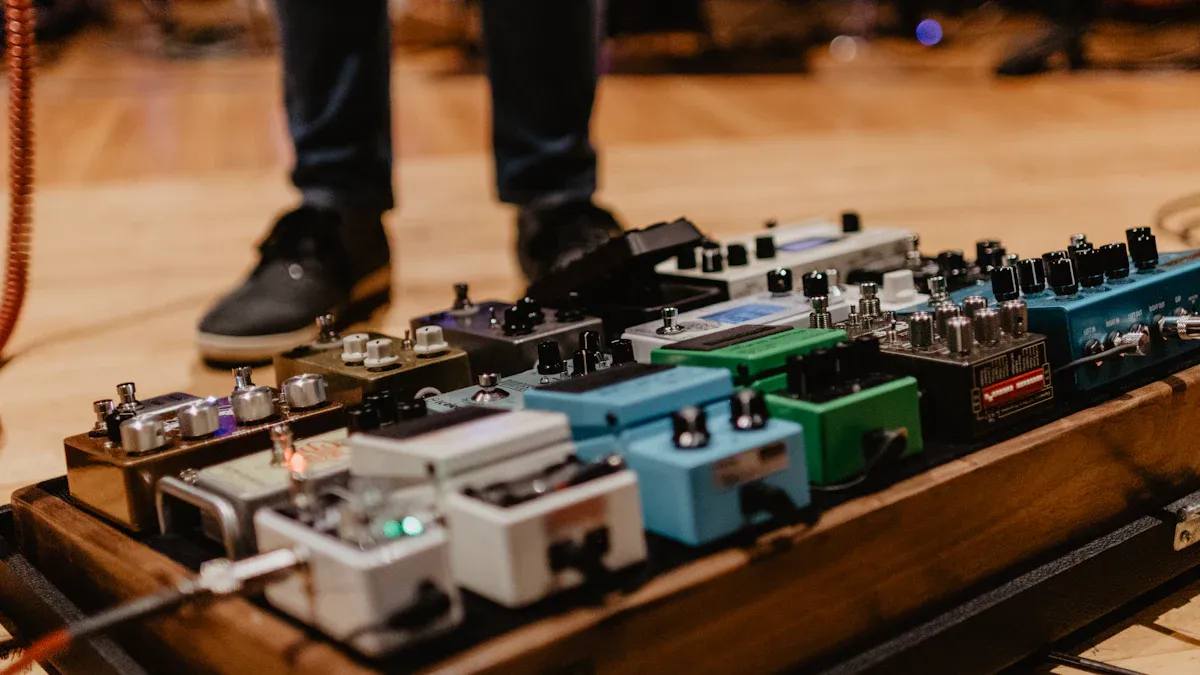
Many guitarists use a certain pedal order for a clear sound. They set up pedals so each one works its best. The usual order starts with a tuner. Next are dynamic effects like compressors. Then come gain effects such as overdrive or distortion. After that are modulation effects. Last are time-based effects like delay and reverb.
-
Tuners
-
Dynamic effects (compressors, wahs)
-
Gain effects (overdrive, distortion guitar pedal)
-
Modulation effects (chorus, phaser)
-
Time-based effects (delay, reverb)
Putting a pitch shifter before distortion is common. This way, the pitch shifter gets a clean sound to work with. It can track notes better this way. The Musontek Dream Castle Overdrive Pedal goes in the gain spot. It gives a strong and clear sound after the pitch shifter.
Session guitarists say this order keeps the signal strong. It helps the guitar sound clear and cuts down on noise. Each effect can shape the sound without problems from others. This setup gives players more control over their sound. It also makes it easier to get the tone they want.
Clean Signal and Pitch Tracking
A clean signal is key for pitch shifter pedals. When the pitch shifter gets a pure sound, it tracks notes well. If the sound is already distorted, the pitch shifter may have trouble. This can make the output sound muddy or weird.
If a pitch shifter works on a distorted sound, it can sound muffled or strange. This happens because pitch shifting in real time can cause side effects. Different algorithms can make these effects worse. Putting the pitch shifter early helps keep the sound clean, since it works before distortion changes it.
Putting the pitch shifter first helps avoid these problems. The Musontek Dream Castle Overdrive Pedal then adds its overdrive or distortion to the shifted notes. This order gives a strong and clear sound. It also lets players try new musical ideas.
Players can try different pedal orders if they want. They might find new sounds by changing the chain. But most experts say to keep pitch pedals early for the best sound.
Pitch Shifter After Distortion Guitar Pedal
Tonal Differences
When you put a pitch shifter after a distortion guitar pedal, the sound changes in special ways. The signal now goes through distortion before it reaches the pitch shifter. This setup often makes the sound more creative and different. Many players hear a harmonizer-like effect with this order. You can hear both the original note and the shifted note together. Some people say this setup can cause weird sounds or glitches, especially with clean tones. These glitches happen more when you shift the pitch a lot, like a whole octave.
Sometimes, players notice odd phase or flanger-like sounds. The pitch shifter might not track notes well, especially with chords. This is because most pitch shifters cannot handle more than one note at a time. If you use a lot of distortion, the pitch shifter can make the sound bigger. It lets you try new sounds and can make your guitar seem drop-tuned without changing guitars. But if you shift the pitch down, the sound might lose some power.
Note: Some players like the surprise sounds from this pedal order. Mixing distortion and pitch shifting can help you come up with new music ideas.
When to Try This Order
This pedal order is good for some music styles and effects. Players who like experimental, ambient, or noise music often use this setup. It can make wild and strange sounds that are easy to notice in a song. Metal and hard rock players sometimes use a pitch shifter after distortion to sound like their guitar is tuned lower. If you set the pitch shifter to go down two semitones, your guitar can sound heavier without retuning.
Some musicians use this setup to get a special harmonizer sound. With this order, you can hear both the normal and shifted notes, which makes solos or riffs sound bigger. Players who want to try new things with their sound may enjoy this pedal order. Trying pedals in different orders helps you find new sounds and effects.
Comparing Pedal Order in the Signal Chain
Sound Examples and Use Cases
Guitarists like to test how a pitch shifter sounds before and after a distortion guitar pedal. Putting the pitch shifter first gives a clearer sound. The notes are easy to hear and the effect works well. If you put the pitch shifter after distortion, the sound changes a lot. The pedal might not follow notes as well. This can make weird or cool effects. Some players hear harmonizer sounds or glitches. These changes can help players come up with new music ideas.
Musicians use different pedal orders to find their own style. Many artists in rock, metal, and experimental music try new setups. They use signal loopers to switch the order during a show. This helps them make special sounds. Distortion is often used as a base for new effects. Trying new pedal orders can help create new music styles.
Professional guitarists say testing effects helps them learn what each pedal does. Many famous sounds started by trying new things. In the 1960s, artists played with pedals to find new ideas. Today, players still experiment to make their own sound.
Which Order Fits Your Style?
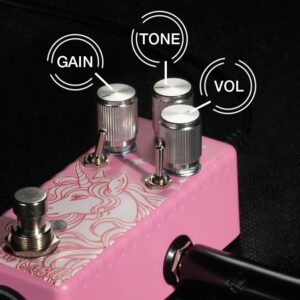
Picking the right pedal order depends on what you want. If you want a clean sound, put the pitch shifter before distortion. If you like wild or strange sounds, put the pitch shifter after distortion. The Musontek Dream Castle Overdrive Pedal makes it easy to test. True bypass keeps the sound clear in simple setups. Buffer bypass lowers noise in big pedalboards. The pedal’s low noise means you hear only your guitar. This lets players try different pedal orders.
Musicians should test both ways. Trying things out helps you find your best sound. Many artists share their tips in interviews and tutorials. Finding the right pedal order can help you make new music.
Experimenting With Your Setup
Creative Effects
Guitarists can find their own sound by changing pedal order. Moving pedals makes new sounds and textures. Some players notice new things in their music with a different order. There are no strict rules for pedal setups. Many musicians try different orders to see how effects work together. This helps them make a sound that fits their style.
Trying new things lets guitarists hear how effects mix. New pedal orders can make cool results. Some sounds work better for certain songs or music styles.
Changing the pedal order can help players stand out. Each setup is a chance to make something new. Many famous guitarists got their special sound by testing pedal orders.
Tips for Testing Pedal Order
Professional guitarists use easy ways to test pedal setups. They often start with dynamics, then gain, then modulation, then time-based pedals. Trying different setups in many music styles helps make sure it works for any song. Players also check if pedals are easy to step on during shows.
-
Try boosts, overdrive, and distortion in different spots to hear changes.
-
Use direct monitoring when recording to hear the real sound.
-
Keep pedal settings the same to compare results.
-
Set input levels to 0 dB for steady sound.
-
Record each setup and listen to pick the best order.
There are no strict rules. Trying things out is important. Some pedal orders sound better in a new way.
Testing pedal setups takes time, but it helps players find their favorite sound. Each test gives new ideas and helps make a personal style.
Musicians hear big changes in sound when they change pedal order. If you put a pitch shifter before distortion, the sound is clear and strong. If you put it after, you get wild and creative effects. Players should try grouping pedals and testing different setups to fit their style. Experts say to move pedals around before setting them up. They also say to use short cables for a clearer sound. Every guitarist can find their own sound by trying both ways with gear like the Musontek Dream Castle Overdrive Pedal.
FAQ
What is a signal chain in guitar effects?
A signal chain is the order in which guitar pedals process the sound. Each pedal changes the tone before passing it to the next. The right signal chain helps players get the best sound.
Does pedal order affect the guitar signal chain?
Pedal order changes how each effect interacts with others in the guitar signal chain. Placing pedals in different spots can make the sound clearer or more creative. Players often test different orders to find their favorite tone.
Can the Musontek Dream Castle Overdrive Pedal work in any signal chain position?
The Musontek Dream Castle Overdrive Pedal works well in many signal chain positions. Most players put it after pitch shifters for strong gain. Its low noise and bypass options help keep the signal clean.
Why do some players put pitch shifters after distortion in the signal chain?
Some players want unique sounds or special effects. Putting a pitch shifter after distortion in the signal chain can create harmonizer tones or experimental textures. This setup works well for creative music styles.
How can players test different signal chain setups?
Players can swap pedal positions and listen to the changes. Recording each setup helps compare results. Using short cables and keeping settings steady makes testing easier. Experimenting with the signal chain helps players find their own sound.