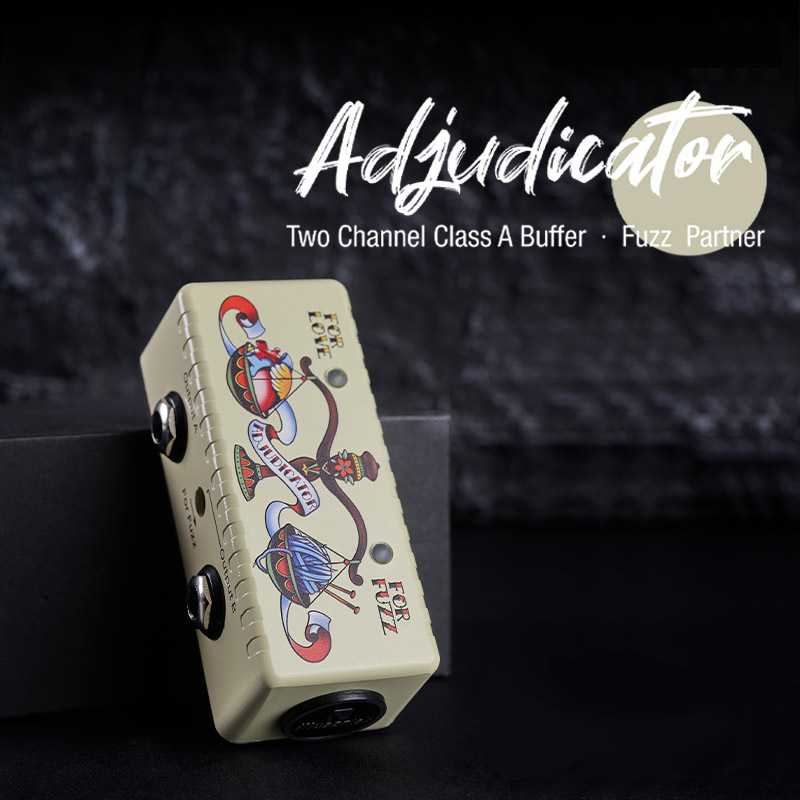
Musicians looking for the best effects pedals for their acoustic guitars are searching for tools to enhance their tone. These pedals enrich the tone, add fun and engaging effects, and help musicians stand out. Popular pedals like the Boss AD-2 Acoustic Preamp, TC Electronic Hall of Fame Reverb, and LR Baggs Venue DI are trusted by many musicians. These pedals are known for their reliability and excellent tone-shaping capabilities. The موسونتك GRRRR الوحش is a fresh option that offers musicians even more creative possibilities. The guitar effects pedal market is expanding, indicating that more and more musicians are using these tools:
- The global guitar effects pedal market was worth approximately $1.2 billion in 2021.
- Experts predict that the market will reach $1.2 billion by 2027.
- The average annual growth rate from 2025 to 2033 is approximately 5.2%.
الوجبات الرئيسية
- Effects pedals can make the tone of an acoustic guitar more outstanding and make playing more fun. These pedals can make the tone fuller and more pleasing to the ear.
- Key features to consider when choosing effects pedals include dual inputs, a four-band EQ, and anti-feedback. These features help you control the tone more easily.
- Well-known pedals like the Boss AD-2 and LR Baggs Venue DI are very popular. People trust them because of their excellent performance and ability to help you shape your tone.
- Experimenting with different pedals, such as reverb and delay, can help you gain new musical inspiration and stimulate your creativity.
- It’s recommended to start with one or two basic pedals, such as a reverb or EQ. Later, as you find a tone you like, you can add more pedals.
Best Effect Pedals for Acoustic Guitar
Effect Pedals Top Picks Overview
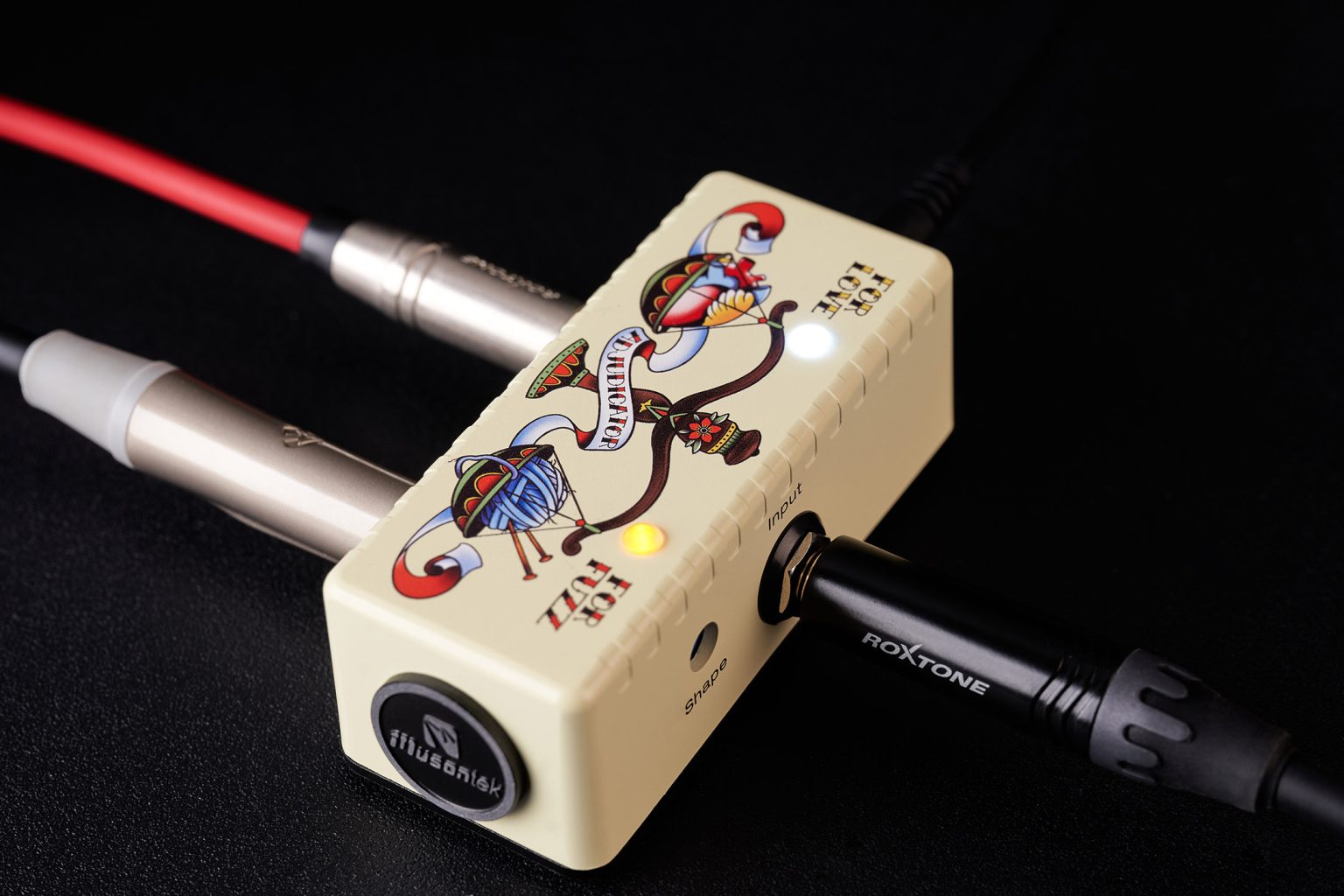
Many musicians want to find the perfect effects pedals for their acoustic guitars. These pedals help shape the tone and add new effects. Some models stand out because of their superior performance and consistent praise from professionals. Here are some top-tier effects pedals trusted by musicians:
- L.R. Baggs Align Series: Active DI – Simple to use, featuring phantom power and a mute button.
- L.R. Baggs Venue DI – Equipped with a four-band EQ and built-in tuner, giving musicians greater control over tone.
- Boss Waza Craft CE-2w Chorus Effect – Provides both chorus and vibrato effects, enriching the tone of the acoustic guitar.
- L.R. Baggs Reverb Effect – Renowned for its deep and flexible reverb effects.
- Earthquaker Devices Avalanche Run – A powerful effect pedal offering a wealth of reverb and delay options.
- Musontek GRRR Monster – A brand-new effect pedal that allows musicians to explore a variety of creative tones and effects.
These top-tier effects pedals help musicians fully realize the potential of their acoustic guitars. They perform exceptionally well in both live performances and studio recordings.
Why These Effects Pedals Are the Best Choice
The best effects pedals stand out because they offer features that make playing easier and more fun. Many top-of-the-line pedals feature dual inputs, allowing musicians to connect two guitars simultaneously. A four-band EQ helps shape the tone, allowing musicians to cut low frequencies or boost mid frequencies. Anti-feedback eliminates unwanted noise, crucial for live performances. Some pedals also include compressors for a crisp, powerful guitar tone. Effects loops allow musicians to add more effects to their setup. Grounding switches reduce hum and noise. Some pedals can even be used as recording interfaces, allowing musicians to record music directly.
| الميزة | الوصف |
| Dual Inputs | Allows musicians to use two acoustic guitars simultaneously. |
| Four-Band EQ | Controls low, mid, and high frequencies for a better tone. |
| Anti-Feedback | Prevents feedback, keeping the tone clean for live performances. |
| Compressor | Makes the guitar tone crisp and stand out in mixes. |
| Effects Loop | Allows flexible use of more effects. |
| Grounding Switch | Reduces hum and noise for better sound quality. |
| Recording Interface | Allows musicians to record music directly from the effects pedal. |
Musicians looking for the best acoustic guitar effects should pay attention to these features. These essential guitar effects help every acoustic guitarist achieve their best tone.
Effect Pedals Types & Benefits
Reverb
Reverb effects make the sound of an acoustic guitar more vibrant. It adds a sense of space, making the music sound fuller and more realistic. Without reverb, the guitar sounds flat. With reverb, the sound becomes richer. Short room reverb makes the guitar sound warmer. Hall reverb and plate reverb add depth to songs. Most reverb effects maintain the clarity of the guitar’s original sound. These effects help both beginners and experienced musicians achieve excellent tone.
Chorus
Chorus effects make the sound of a guitar fuller and richer. It works by replicating the sound and slightly altering the pitch. This produces a bright effect, making the guitar stand out more. Many people use chorus effects to add depth while maintaining a natural sound. A soft setting produces a gentler effect, while the guitar tone remains clear. Chorus effects are popular because they make music sound fuller.
Delay
Delay effects repeat the guitar sound, creating an echo. This adds a sense of space, making each note sound richer. Acoustic guitarists use delay effects to create a grander feel. Experimenting with different delay settings can create new sounds. Delay effects can help musicians unleash their creativity and find their own unique style.
Looper
A looper pedal can record and play back musical snippets. It’s perfect for practice, songwriting, and live performances. Players can layer chords, melodies, and even vocals. Loopers can help you quickly create complex music. Many musicians use loopers to experiment with new ideas and make their performances more exciting.
Equalizer
An equalizer pedal can change the tone of an acoustic guitar. It allows you to boost or reduce certain sounds. On stage, an equalizer helps the guitar be heard better and eliminates noise. In the recording studio, an equalizer makes the guitar sound clear and vibrant. When practicing, an equalizer helps you listen better and understand different timbres.
صندوق دي آي بوكس
A DI box pedal can improve the guitar’s tone on stage. It can amplify weak signals. Even with long cables, it maintains clarity and eliminates noise. DI boxes help preserve the guitar’s true tone. They are essential for live music.
Compressor
A compressor pedal can balance the volume of a guitar. It can boost soft notes and reduce strong notes. This results in a balanced sound and extends the duration of notes. Compression effects add energy, making the guitar sound more professional.
أوفردرايف
Overdrive effects give the guitar a warm, rugged sound. It simulates the sound of a high-powered amplifier. Overdrive effects are suitable for powerful playing, making the guitar sound fuller. Some famous musicians use overdrive effects to create their unique tones.
Tip: Using the right effects can change your tone and help you create new music.
| نوع التأثير | الوصف | Benefits |
| Dynamic effect | Change the volume of the guitar. | Gives you better control over the volume and helps you play with more emotion. |
| Time Effects | Change the playback time of the guitar sound. | Creates echo or delay, adding space and texture. |
| Frequency Effects | Change certain frequency components of the guitar sound. | Helps shape your tone and make it clearer in a band. |
| Modeling Effects | Use digital tools to simulate other instruments or amplifiers. | Let you experiment with various tones and styles. |
| Acoustic Simulator | Makes an electric guitar sound like an acoustic guitar. | Achieve different acoustic effects without a real acoustic guitar. |
| Chorus | Doubles the sound and slightly alters the pitch. | Makes the sound fuller and more interesting. |
| Compression/Sustain | Balances the volume and extends notes. | Keeps the sound even and prevents it from being too loud. |
| Delay | Repeats the guitar sound to create an echo. | Adds depth and makes the music more interesting. |
| أوفردرايف | Makes the guitar sound like a high-powered amplifier. | Adds warmth and makes the performance more expressive. |
Best Acoustic Guitar Effect Pedals by Type
Best Reverb Pedals
Reverb effects help make acoustic guitars sound grander and more natural. Musicians use them to add space and warmth to their music. Here are some top picks:
- TC Electronic Hall of Fame 2
This effect offers a variety of reverb types, such as room reverb, hall reverb, and plate reverb. It features a clean layout and compact size.Pros: Rich tone, easy to use, and well-made.
Cons: Some settings may be too digital for purists.
Best for: Musicians who want multiple reverb options in one pedal.
- LR Baggs Align Reverb
This pedal is designed for acoustic guitarists. It preserves the true tone of the guitar while adding deep and rich reverb.Pros: Natural tone, simple controls, designed specifically for acoustic guitar.
Cons: Fewer reverb types than some other pedals.
Best for: Musicians who want a clean, natural reverb.
- Electro-Harmonix Holy Grail Nano
This pedal is small and easy to use. It offers classic spring reverb, hall reverb, and plate reverb.Pros: Compact, simple, and affordable.
Cons: Fewer features than some larger pedals.
Best for: Beginners or users with smaller pedalboards.
Tip: A reverb effect is an essential tool for any guitarist who wants to make their acoustic guitar tone vivid and full.
Best Chorus Pedals
Chorus effects pedals add breadth and depth to the guitar tone. They excel in both solo and ensemble performances.
- Boss Waza Craft CE-2w Chorus
This pedal offers classic chorus and vibrato effects. It’s known for its warm tone and robust build quality.Pros: Classic tone, durable, easy to use.
Cons: Higher price.
Best for: Musicians who want a vintage chorus effect.
- MXR M234 Analog Chorus
This pedal uses analog circuitry to deliver a smooth, full tone. It features simple control knobs for easy effect adjustment.Pros: Warm tone, easy to adjust, affordable.
Cons: No stereo output.
Best for: Musicians who want a simple, classic chorus effect.
- TC Electronic Corona Chorus
This effect offers a variety of chorus styles and features a TonePrint function for customizable tone.Advantages: Versatile, compact, customizable settings.
Disadvantages: Some settings may be too complex for beginners.
Best for: Musicians who need a variety of chorus effects.
Best Delay Pedals
Delay effects add echo and repetition to guitar tones. They help create space and texture in music. Many acoustic guitar effects now offer delay functions designed specifically for acoustic guitarists.
| الميزة | الوصف |
| Proprietary Delay | Made for acoustic instruments, keeps sound clear and natural. |
| Delay Control | Mixes the delayed sound with the original. |
| Repeats Control | Sets how many times the echo repeats. |
| Time Control | Changes the time between the original and the echo. |
| Division | Lets players set the delay to dotted eighth notes for cool rhythms. |
| Tap | Players can tap the tempo by foot. |
| Tap Tempo Input | Connects to an extra footswitch for tempo control. |
| التحكم في النغمة | Adjusts the warmth or clarity of the repeats. |
| Power Options | Runs on 9V battery or DC power. |
| Engage Footswitch | Switches the effect on or off. |
| Output | Standard ¼” output for easy connection. |
| Unique Tonal Quality | Sounds “luscious” and fits acoustic music, making a perfect room effect. |
- Boss DD-8 Digital Delay Effect
This effect offers a variety of delay types and a Tap Tempo function.
Pros: Versatile, compact, and easy to use.
Cons: Digital tone may not suit all musicians.
Best for: Musicians who need a variety of delay options.
- LR Baggs Align Delay Effect
This effect is designed for acoustic guitars, maintaining a clear and natural tone.
Advantages: Natural repeating sounds, easy to control, designed specifically for acoustic guitars.
Disadvantages: Fewer delay options than some other effects pedals.
Best for: Acoustic guitarists who need simple, pure delay effects.
Best Looper Pedals
Loop effects pedals allow musicians to record and play music in real time, aiding in practice, songwriting, and live performances.
- Boss RC-5 Loop Station
This pedal offers long recording times and a wealth of features.
Advantages: Large memory capacity, easy to operate and use, robust construction.
Disadvantages: All features require a learning curve.
Best for: Musicians who want to create complex loops.
- TC Electronic Ditto Looper
This pedal is compact and simple, requiring only one button to record and play loops.
Advantages: Easy to use, small size, affordable.
Disadvantages: Fewer features than larger loop effects pedals.
Best for: Beginners or musicians who want a simple loop effects pedal.
Best EQ Pedals
Equalizer pedals help shape the tone of an acoustic guitar and effectively control feedback on stage. The Align series equalizers stand out for their fine tone control. They feature a 6-band equalizer for tone shaping, a high-pass filter for feedback control, and phase switches for different pickups. Musicians can use these features to achieve a clear, balanced tone in any environment.
- LR Baggs Align Equalizer
Pros: Fine tone control, feedback control, easy to use.Cons: Higher price.
Best for: Musicians who want complete control over their tone.
- Boss GE-7 Equalizer
Pros: Affordable, easy to use, suitable for a variety of guitars.Cons: Not designed specifically for acoustic guitars, but still performs excellently.
Best for: Musicians on a budget.
Best DI Box Pedals
DI box pedals help acoustic guitars produce a clear, powerful tone on stage. They eliminate noise and preserve the guitar’s true tone.
- Boss AD-2
Affordable and compact. It features acoustic resonance and ambient sound effects to enhance tone. - Fire-Eye Red-Eye
Simple design, low impedance output. It preserves the guitar’s natural tone. - LR Baggs Para DI
Five-band EQ, compatible with both active and passive pickups. - Audio Sprockets ToneDexter
Advanced microphone modeling and built-in EQ. Suitable for live performances and studio use. - Grace Design ALiX
High-end DI box with rich EQ controls and professional sound quality.
Note: DI box pedals are essential for live performances. They help the guitar achieve its best tone in any venue.
Best Compression Pedals
Compression pedals make the guitar tone more balanced and smooth. They enhance soft notes and dampen harsh notes.
- MXR Dyna Comp
This pedal is simple and classic.Pros: Easy to use, affordable, suitable for acoustic guitars.
Cons: Fewer control options than some effects pedals.
Best for: Musicians who need basic compression.
- LR Baggs Align Session
This effect is designed for acoustic guitars, adding warmth and smoothing the sound.Pros: Natural tone, easy controls, built specifically for acoustic guitars.
Cons: High price.
Best for: Musicians who need professional-grade compression.
Best Overdrive Pedals
Overdrive effects add warmth and texture to acoustic guitars, making them stand out in mixes. Some overdrive effects, such as the Boss Blues Driver, preserve the guitar’s natural tone. These effects are suitable for various musical styles and do not mask the acoustic guitar’s tone.
- Boss Blues Driver
Pros: Transparent overdrive effect, preserves natural tone, suitable for various musical styles.Cons: Can be too strong if set too high.
Best for: Musicians who need some extra impact.
- JHS Morning Glory
Pros: Smooth overdrive, keeps the guitar’s character, easy to control.
Cons: Higher price.
Best for: Players who want a gentle, musical overdrive.
Innovative Effect Pedals Picks: Musontek GRRR Monster & More
Some acoustic guitar effects pedals break the mold, offering new ways to shape tone. The Musontek GRRR Monster is one of them, a highly innovative tool for musicians looking to explore entirely new effects. This pedal provides musicians with a rich range of tones and functions, suitable for both live performances and studio recordings. The GRRR Monster helps musicians add depth, personality, and passion to their music, making it ideal for artists who want to further expand their tones.
Other innovative effects pedals include:
- Strymon Iridium: Provides amp simulation and room effects for acoustic guitarists.
- Zoom A1 Four: Integrates multiple effects and amp simulations in a small pedal.
- Headrush Gigboard: A platform for creative musicians to blend a variety of effects and amp simulations.
Experiment with new effects and find your own unique sound. The right acoustic guitar effects can inspire your creativity and make you stand out in your music.
Choosing Acoustic Guitar Effect Pedals
Match to Playing Style
Every guitar player has their own way of playing. Some people like to play big, loud chords. Others pick soft, gentle notes. If you play fingerstyle, you might want a looper pedal. This pedal lets you record and layer your music. Singer-songwriters may use a reverb pedal. Reverb adds warmth to both voice and guitar. want to hear.
Genre Considerations
Different music styles need different effects. Folk, jazz, and pop players use utility, time, and modulation pedals. These include reverb, chorus, delay, and EQ. These pedals help the guitar sound clear and natural. Overdrive and distortion pedals are in the gain group. These do not always sound good with acoustic music. They can make the sound harsh or muddy. Pick pedals that fit your favorite songs and the style you like.
Tip: Start with one or two important pedals. Add more as you learn what works for your music.
Effect Pedals Budget & Value
Pedals come in many prices. Some are cheap but still sound good. Others cost more and have extra features. Think about what you need most. A simple pedal is fine for practice or small shows. Bigger setups may need advanced pedals. Read reviews and try pedals in a store if you can. This helps you find good value. It is smart to buy pedals that last and sound great.
Effect Pedals Compatibility Tips
Not all pedals work the same with every guitar. Some pickups need special care. Piezo pickups need high input impedance to sound full. True bypass switching keeps your tone clean when pedals are off. Check for noise, headroom, and power needs. Metal cases are stronger for stage use. Notch filters or phase switches help stop feedback. Balanced XLR outputs make it easy to connect to PA systems.
| مشكلة التوافق | الوصف |
| معاوقة الإدخال | Acoustic pickups, especially piezos, need high input impedance (≥1MΩ) to avoid tone loss. Low impedance can lead to a thin sound. |
| Signal Path Transparency | True bypass or relay bypass switching is important to maintain tone when effects are off. |
| Noise Floor | Analog circuits and low-quality components can introduce unwanted noise; reviews can provide insights on this. |
| Headroom | High-headroom circuits are necessary to prevent clipping during loud playing. |
| متطلبات الطاقة | Ensure pedals are compatible with your power supply, especially when daisy-chaining. |
| جودة البناء | Metal enclosures are more durable than plastic, which is important for stage use. |
| Feedback Control | Built-in notch filters or phase switches can help manage feedback issues during performances. |
| Outputs | Balanced XLR outputs are crucial for direct connections to PA systems or audio interfaces. |
Players who check these things will get the best sound from their setup.
Effect Pedals Order & Setup
Recommended Chain Order
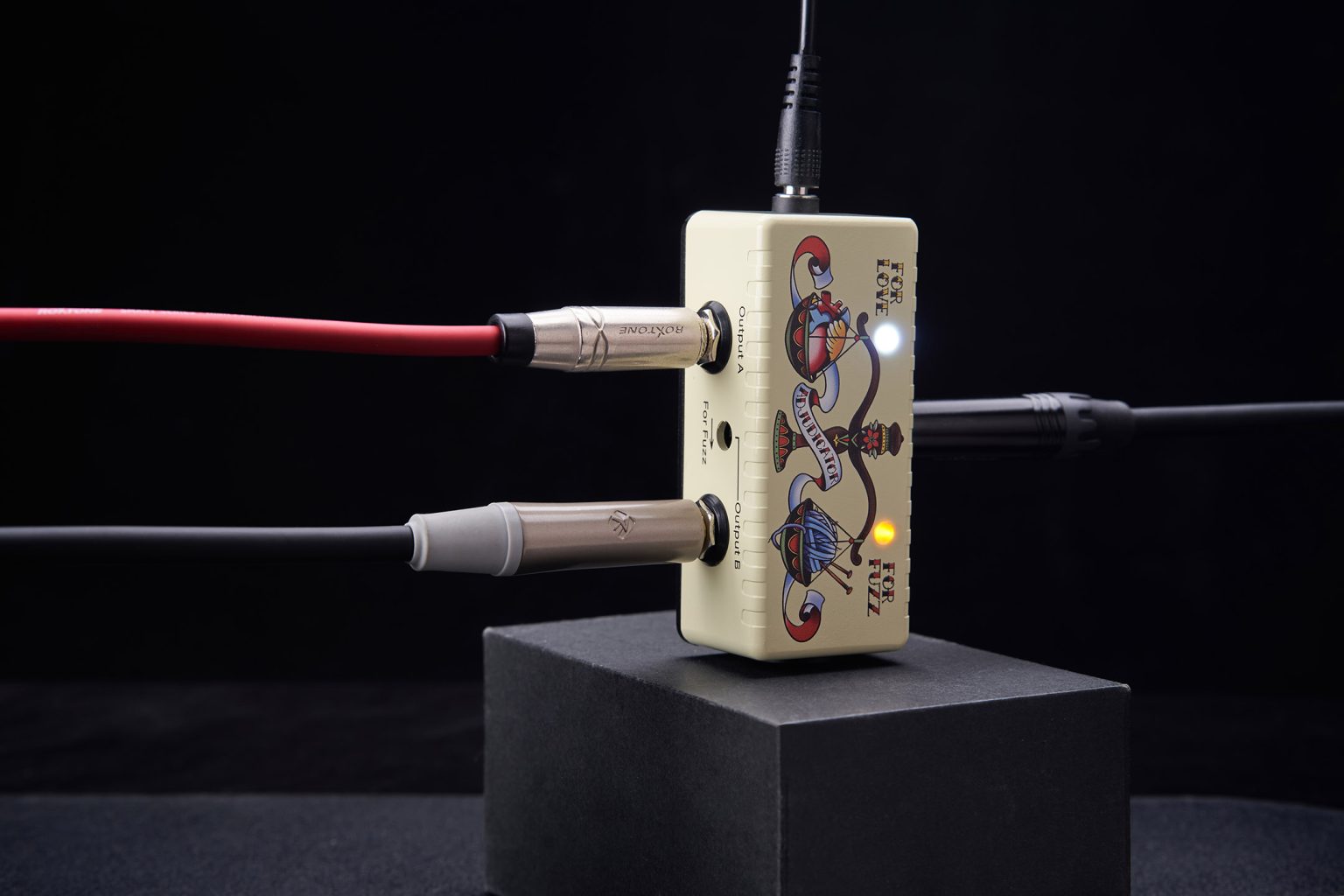
Properly setting up your effects chain helps musicians achieve the best acoustic guitar tone. Each effect has its role, and their placement in the effects chain is crucial. Here’s a simple order commonly used by many musicians:
- موالف
Use the tuner first. It keeps the guitar in tune and ensures a clean signal. - Pitchshifters and Octave Effects
Use these effects next. They change the pitch before any other effects process the sound. - Drive, Fuzz, or Distortion Pedals
Place these here if you use them. They shape the tone early for better control. - الضغط
Add a compressor effect after an overdrive effect. This helps balance the volume and keep the sound smooth. - Modulation Effects
Place modulation effects like chorus or vibrato here. They add dynamics and depth to the sound. - Time-Based Effects
Delay effects can be placed here. They create echo and a sense of space in music. - Reverb
Place reverb last. It adds a finishing touch, making the acoustic guitar sound fuller and more natural.
Tip: This order works for most setups. Musicians can experiment with different orders to find the tone that best suits their music.
Live vs. Studio Use
Effects settings will vary depending on the performance environment. In live performances, musicians typically use effects to enhance volume and control feedback. They might use tuners, compressors, and modulation effects to maintain clarity and energy in the music. In the studio, musicians focus on achieving a clean sound. They might add effects later in the mixing process. This means they might use fewer effects or set them to a softer dynamic range. Each occasion has its unique requirements, so musicians should adjust their effects settings accordingly.
Musicians have many options when looking for the best effects for their acoustic guitar. Classic effects like the Boss AD-2 and LR Baggs Venue DI can shape tone and maintain clarity. New options like the Musontek GRRR Monster allow musicians to explore a wide range of creative tones. Each effect brings a unique timbre to the music. Some add warmth, some deliver a fuller tone, and others help control feedback. Octave effects stand out for their entirely new ways of altering tone. They can make the sound fuller and even simulate bass. Many musicians find these effects inspiring new tonal ideas and easily integrated into any setup.
- Octave effects can add rich low-frequency tones, making playing fuller.
- They can create bass-like tones, helping soloists better fill the range.
- Models like the Boss OC-5 and Electro-Harmonix POG 2 offer a choice of easy-to-use or creative tones.
- These effects are compact and easy to use, making them ideal for musicians who travel frequently.
- Try octave effects to discover entirely new tonal textures and musical inspiration.
Every musician should consider their own tonal needs, style, and budget. Trying out effects pedals in stores or reading user reviews can help find the right tone. The best way to discover your perfect tone is to try different effects pedals. Each new effect pedal can open up a whole new world of tone.
الأسئلة الشائعة
Which effects pedal should a beginner try first?
Most beginners start with reverb. It makes the guitar sound fuller and more natural. Players find it easy to use. Reverb works for a wide range of musical styles.
Can electric guitar effects pedals be used on acoustic guitars?
Yes, many electric guitar effects pedals also work on acoustic guitars. Some effects, such as overdrive, may alter the natural tone of an acoustic guitar. Players should try different effects pedals to find one that suits their style.
Is a DI box necessary for live acoustic performances?
DI boxes help the guitar produce a clear sound on stage. They reduce noise and feedback. Most players use DI boxes in live performances, especially in large venues.
How many effects pedals should an acoustic guitarist use?
Most musicians use two to three effects pedals. Commonly used effects include reverb, equalizer, and DI box. Too many effects pedals can muddy the sound. It’s recommended to start with simple effects and add more as needed.
What makes the Musontek GRRR Monster unique?
The Musontek GRRR Monster gives musicians greater control over their sound. It offers unique effects and is easy to use. Many musicians use it for both live performances and studio work.