
The best way to use equalizer effect and compressor depends on what sound you want. It also depends on your mixing goals. Many experts use eq before compressor. This helps fix frequency problems. It also makes the tone sound more natural. Some people put eq after compression. This gives them more control over the final sound. The موسونتك ريموودل pedal helps guitarists change their tone. It lets them make clear and exact eq effect changes.
|
Reason for EQ Placement |
الوصف |
|---|---|
|
Corrective Work |
EQ helps balance frequencies. This makes the sound more natural. |
|
Tonal Shaping |
EQ adds presence and character. This happens after fixing issues. |
|
Order of Effects |
The order changes how tone and dynamics work together. |
الوجبات الرئيسية
-
Put EQ before compression to fix sound problems. This makes the music smoother and more natural.
-
If you use EQ after compression, you can make last changes. This helps make the sound clear and keeps the mix balanced.
-
Try both ways to see which one works for you. Each way has its own good points.
-
The Musontek Remeowdel pedal is very useful. You can use it before or after compression to shape your sound.
-
Always listen to your mix after using EQ and compression. This helps every instrument sound clear and at its best.
EQ Before Compressor Effects
How EQ First Shapes Compression
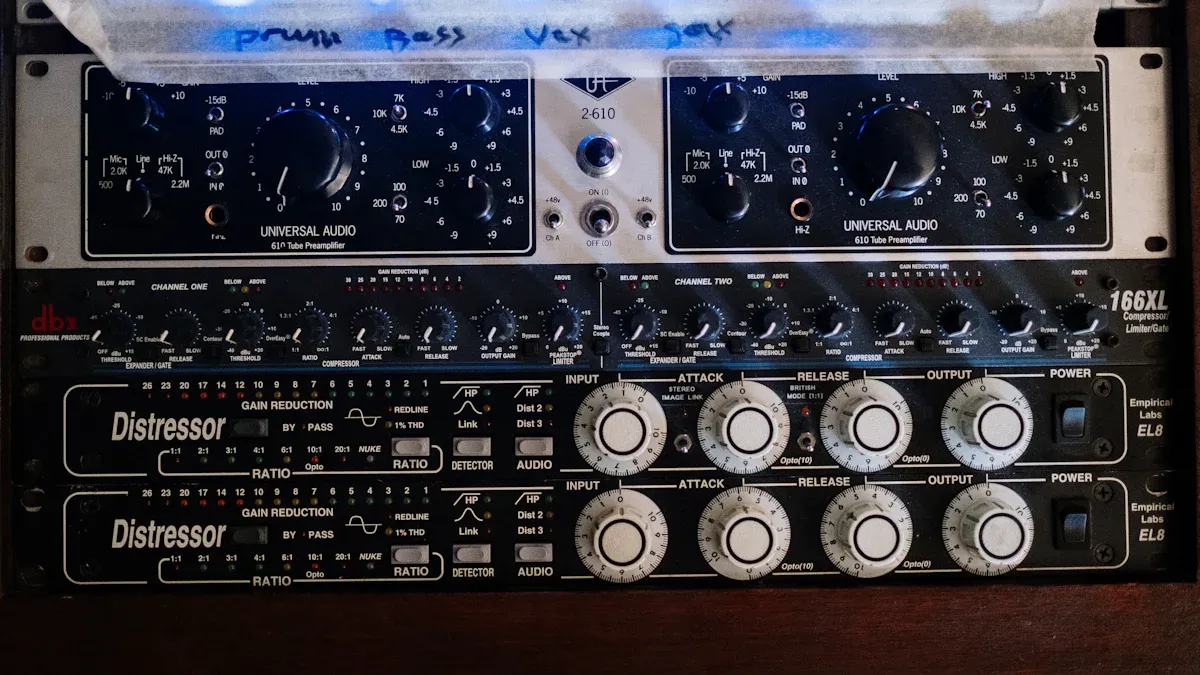
Putting eq first in the chain changes how the compressor works. The compressor listens to the new frequencies, not the old ones. This can make the sound smoother and more clear. The loudest parts do not set off the compressor as much. This helps the tone feel more even and natural.
If you use eq to lower problem frequencies before the compressor, the compressor acts more evenly. It does not react too much to those problem spots.
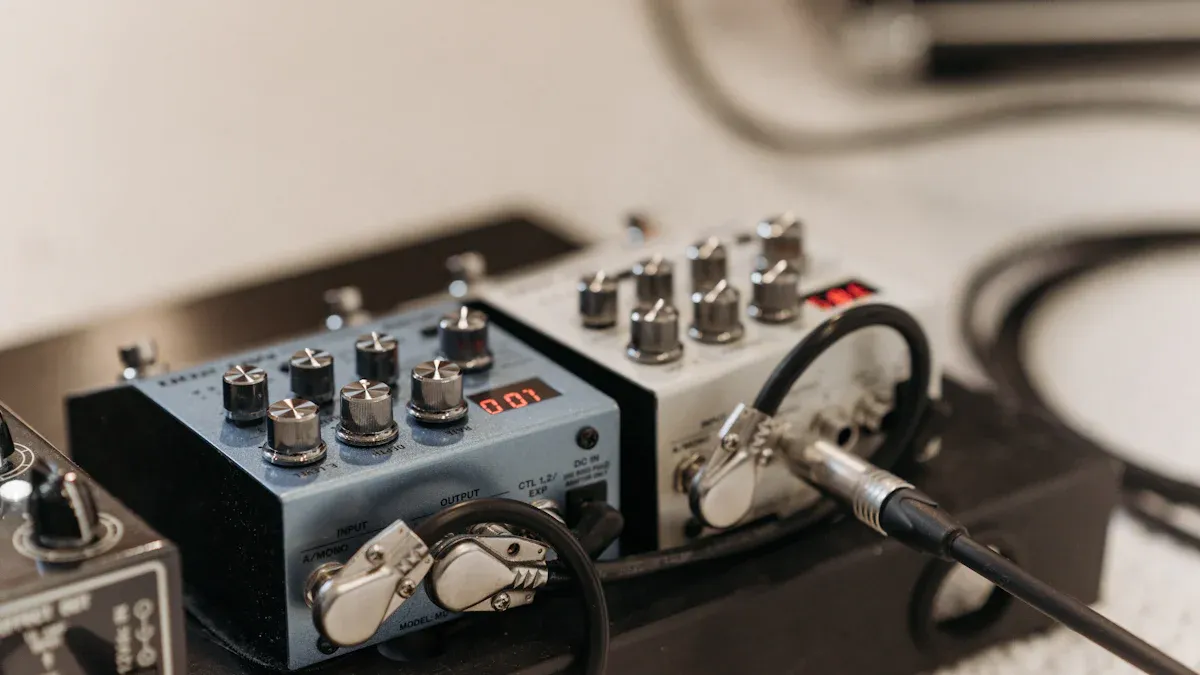
Musontek Remeowdel is a great eq pedal for shaping sound before compression. Its analog parts and true bypass keep the guitar’s real sound. The pedal has easy knobs for bass, mid, and treble. Guitarists can fix problems before the compressor changes the signal.
Benefits of EQ Before Compression
Using eq before compressor has many good points. Changing the sound first gives you more control over the compressor. This helps with both volume and frequency control. When eq shapes the sound first, the compressor works better. The music sounds even, and bad harmonics do not get louder.
Putting eq before compressor also makes the sound cleaner. By fixing certain frequencies, the compressor works with a better signal. This gives more control and a nicer mix. Musontek Remeowdel lets guitarists make small or big changes, so the compressor gets the best sound.
When to Use EQ Before Compressor
Many times, you should use eq before compressor. This is good for fixing low sounds or making the tone warmer. For example, using eq to cut low sounds before compression helps with bass and kick drums.
-
Cutting low sounds with eq before compression helps with bass and kick drums.
-
This is very helpful for things like kick drums and bass.
-
Using eq to cut bad sounds stops the compressor from working too hard and making the sound thin.
Guitarists often use eq first to shape their sound before compression. The Musontek Remeowdel pedal makes this easy and works well. Its small size lets you change settings fast on stage or in the studio. When eq goes first, players get a more natural and controlled sound.
Mix engineers pick eq before compressor to fix sound problems early. This makes the mix more clear and stops the compressor from reacting too much. Using eq first gives more control and helps each instrument fit better in the mix.
EQ After Compressor Results
Tone Shaping After Compression
Putting eq after a compressor helps shape the final sound. When a compressor works, it can change how the frequencies sound. Sometimes, compression makes the low end less clear. It can also make the high end less bright. Using eq after a compressor lets people fix these changes. They can boost bass or treble to get the sound they want. This step helps the mix sound clean and balanced.
Compression can make some parts louder or softer. The compressor might push some frequencies forward or pull others back. Eq after a compressor gives control over these changes. It lets users adjust the tone so every instrument fits well in the mix. For example, a guitarist can use eq after a compressor to add sparkle to the highs or warmth to the lows. The Musontek Remeowdel pedal works well for this job. Its smooth controls help players find the right balance after compression.
Tip: Always listen to the mix after compression. Use eq to fix any parts that sound dull or too strong.
Advantages of EQ After Compressor
Eq after a compressor has many good points. It helps clean up the sound and makes it more polished. When compression changes the tone, eq can bring back the original character. This method works well for vocals, guitars, and drums. Engineers use eq after a compressor to add clarity and detail.
Here are some advantages of using eq after a compressor:
-
Cleaner sound: Eq removes unwanted frequencies that compression might highlight.
-
Better control: Users can fine-tune the mix after compression shapes the dynamics.
-
Final polish: Eq adds the finishing touches to the sound, making it ready for release or performance.
Compression can sometimes make the mix sound flat. Eq after a compressor brings life back to the music. The Musontek Remeowdel pedal helps guitarists and producers adjust the tone with ease. Its analog design keeps the sound natural, even after heavy compression.
|
الميزة |
الوصف |
|---|---|
|
Cleaner Mix |
Eq fixes frequency changes caused by compression. |
|
More Control |
Users adjust tone after the compressor sets dynamics. |
|
Final Touch |
Eq adds clarity and sparkle to the finished sound. |
Best Uses for EQ After Compression
Eq after a compressor works best in some situations. Many engineers use this method during the final mix. Compression sets the dynamics, and eq shapes the tone. This order helps the music sound professional and balanced.
Some common uses for eq after a compressor include:
-
Refining the final mix: Engineers use eq to fix any tonal problems after compression.
-
Live performances: Musicians adjust eq after a compressor to match the room or stage.
-
Adding clarity: Eq boosts the highs or cuts the lows after compression changes the sound.
-
Correcting frequency shifts: Compression can move frequencies around. Eq puts them back in place.
-
Enhancing vocals: Singers sound clearer when eq follows a compressor.
Compression can change how instruments fit in a mix. Eq after a compressor helps each part sound its best. The Musontek Remeowdel pedal gives guitarists the tools to adjust their tone after compression. Its easy-to-use knobs make quick changes possible during a show or recording session.
Note: Always check the sound after compression. Use eq to make sure every instrument stands out.
Putting eq after a compressor is important because compression can change the frequency balance of a mix. This step makes sure the final mix keeps the right amount of bass and treble. Musicians and engineers use eq after a compressor to get a clear and powerful sound.
Choosing EQ Placement
Practical Guidelines for EQ First or After
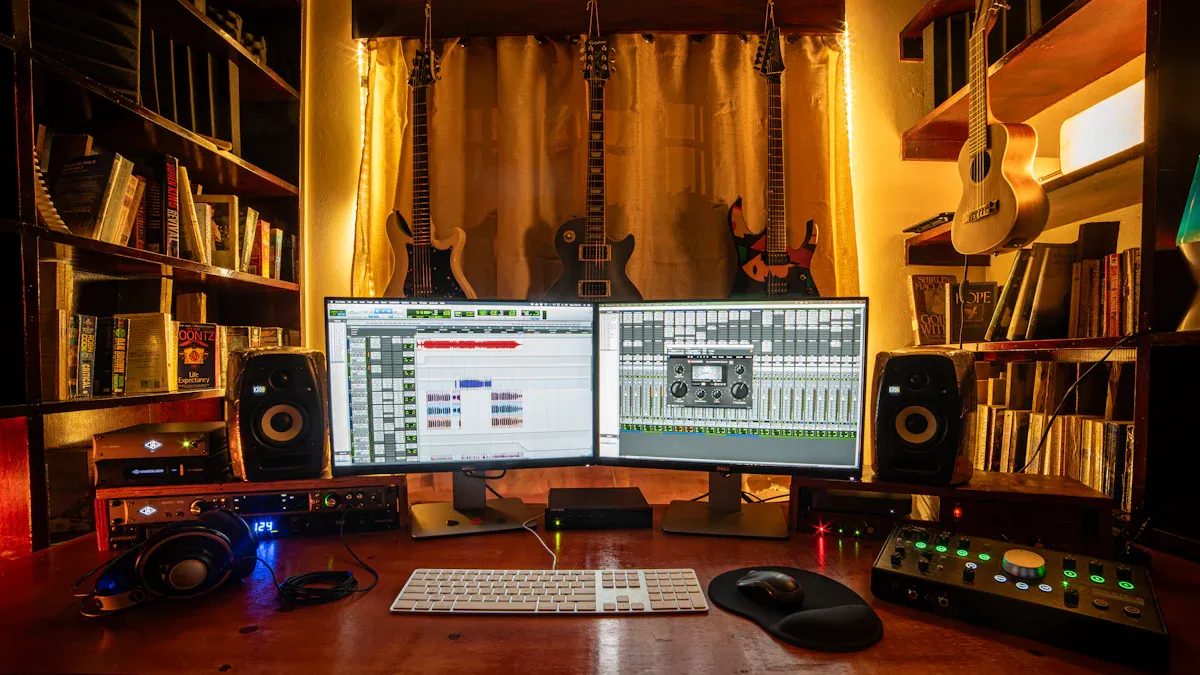
Where you put eq in your setup depends on your sound. It also depends on what instrument you play. Think about what you want your mix to sound like. For electric guitar, engineers often cut below 70Hz to stop muddiness. They boost around 80Hz to make it warmer. They might also boost 800Hz for a clearer sound. Boosting 5kHz can make it brighter. The Musontek Remeowdel pedal helps guitarists make these changes. It lets you shape your sound before or after compression.
Here are some easy tips:
-
Use eq before compression to fix problems, like too much low end.
-
Put eq after compression to add sparkle or make the sound clearer.
-
Listen to your mix and decide if you want more control or more character.
Scenarios for EQ Before Compressor
Engineers use eq before compressor for technical reasons. This changes how the compressor works with the sound. For drums, eq first can take out bad frequencies. This helps the compressor work better. The sound may seem less eq’d after compression, but it is more balanced.
Some common times to use this:
-
Cut low sounds from bass or kick drum before compression.
-
Shape a guitar’s tone with the Musontek Remeowdel before the compressor.
-
Remove harsh sounds from vocals so the compressor does not react too much.
Using eq before compression keeps the sound clean and controlled. This is good when you need to fix problems.
Scenarios for EQ After Compressor
Putting eq after the compressor is good for polishing the sound. This lets you fix any changes compression made to the tone. In live shows, engineers set the compressor first. Then they use eq to adjust the final sound.
Some common uses are:
-
Add brightness to vocals after compression.
-
Boost highs on guitar for more presence.
-
Adjust drum overheads to bring out cymbals after compression.
Many engineers say to fix the dynamics with compression first. Then use eq to change the tone. This keeps the sound clear and balanced.
The Musontek Remeowdel pedal works for both ways. Guitarists can use it before compression to shape their sound. Or they can use it after to fine-tune their tone for any mix.
Quick Tips and Use Cases
EQ First for Guitar Tone
Guitarists like to use EQ before compression. This helps them change their sound. The Musontek Remeowdel pedal lets players control bass, mid, and treble. Its analog parts and harmonic boost make the guitar sound deeper and brighter. The pedal helps players fix their signal before it goes to the compressor. This brings out more harmonics in the guitar.
-
Use a high-pass filter at 150Hz to make room for the bass guitar.
-
Boost between 250Hz and 500Hz to add warmth and body.
-
Cut in that range if you want less muddiness.
-
Boost around 2kHz to help the guitar stand out.
-
Cut at 4kHz to lower hiss.
-
Use a low-pass filter between 5kHz and 8kHz to control brightness.
-
Always listen to the guitar with all instruments to keep things clear.
-
Give each instrument its own frequency space for clarity.
The Musontek Remeowdel pedal helps players make cool tones. You can get metal sounds or wah effects with it.
EQ After Compression for Vocals
Producers use EQ after compression to make vocals clearer. They use dynamic EQ to fix strong frequencies and sibilance. Subtractive EQ takes away bad sounds. Additive EQ makes vocals sound better and more present.
-
Use a de-esser to fix harsh ‘s’, ‘z’, and ‘sh’ sounds.
-
Pick certain frequencies to make vocals less harsh.
-
Use clip gain to lower loud sibilant parts before compression.
-
Boost highs so vocals stand out over other instruments.
-
Change EQ after compression for a final clean sound.
A de-esser is like a limiter for high sounds. It controls sibilance but keeps vocal detail.
Mixing Drums with EQ Placement
Mixing drums works best with smart EQ choices. Engineers set different EQ for each drum to get a good mix.
|
Drum Element |
EQ Strategy |
|---|---|
|
Kick |
High-pass up to 50Hz, boost 60–120Hz for weight, cut 250Hz for mud, boost 1–5kHz for attack |
|
Snare |
High-pass up to 100Hz, boost 150–250Hz for body, cut 250–500Hz for muddiness, boost 3–5kHz for attack |
|
Toms |
High-pass up to 100Hz, boost 80–200Hz for body, cut 250Hz for mud, boost 1–5kHz for attack |
|
Cymbals/Overheads |
High-pass up to 300Hz, cut 250Hz for mud, boost above 8kHz for sparkle |
Change drum EQ while listening to the whole mix. This helps each drum sound good and fit the song.
EQ placement changes how music sounds. Engineers put EQ before compression to fix problems. They also shape the tone this way. EQ after compression helps make the sound clear. It also polishes the music. Each way helps you reach different goals. Musicians should try both ways to see what works. The Musontek Remeowdel pedal gives players more control. It also lets them change their sound easily. Good gear helps music sound better. Trying EQ in different orders helps musicians learn. It also helps them make better mixes.
Tip: Try EQ before and after compression with your own gear. Listen closely and pick the order that matches your style.
الأسئلة الشائعة
What happens if you put EQ before a compressor?
EQ changes the sound first. The compressor listens to these new frequencies. This helps fix problems in the sound. It also makes the tone smoother and more natural.
Can you use EQ both before and after compression?
Yes, engineers often use EQ before and after compression. EQ before helps fix sound issues. EQ after makes the mix clearer and nicer. This way, you get more control over how everything sounds.
Does the Musontek Remeowdel work better before or after a compressor?
The Musontek Remeowdel works well in both spots. Put it before a compressor to change your tone. Use it after to adjust your sound more. Try both ways to see which you like best.
Should vocals use EQ before or after compression?
Engineers usually use EQ after compression for vocals. This makes voices clearer and brighter. Sometimes, they use EQ before compression to take out harsh sounds.
What is the best EQ setting for guitar before compression?
Tip: Use a high-pass filter at 150Hz to start. Boost the mids to add body. Cut harsh highs if you need to. The Musontek Remeowdel lets you do this easily with its simple knobs.