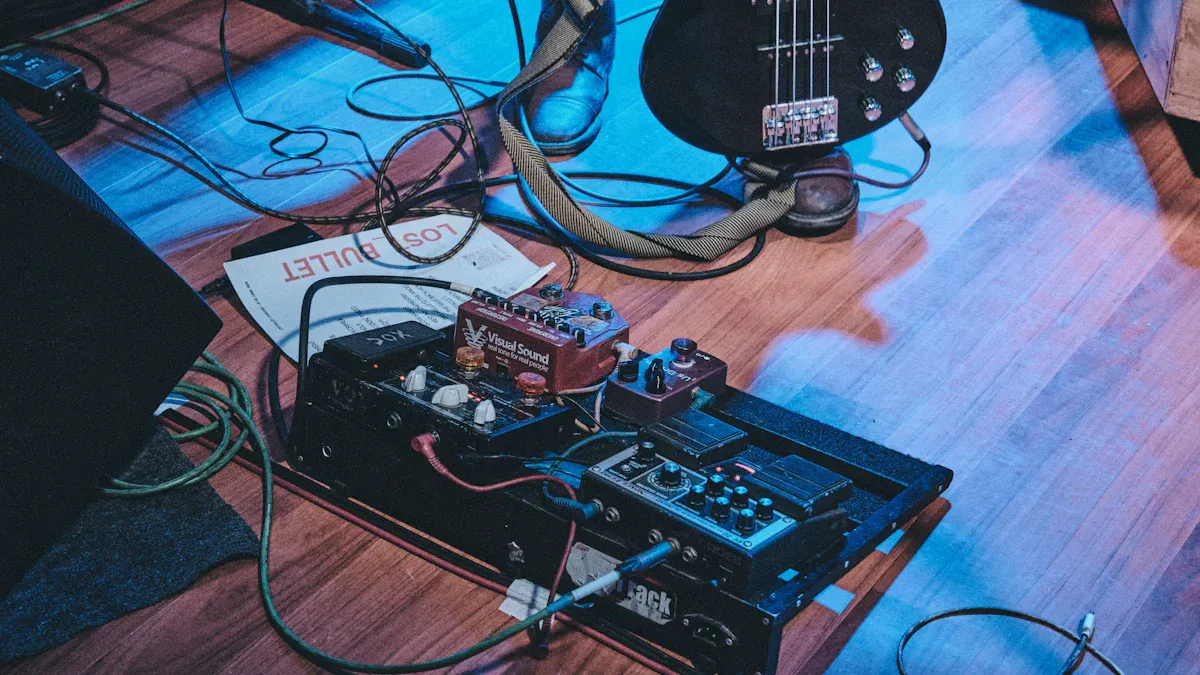
Have you ever wondered if bassists use effects pedals? The answer is yes—many do! You might notice more bass players adding pedals to their setups. This shift comes from a growing love for new sounds and the chance to shape your own unique tone. Check out these trends:
More effects pedals for bass have hit the market in the last decade.
Advancements in technology make pedals even more versatile.
Live shows and home recording push more players to try new gear.
Using pedals is all about your style and the music you play. Whether you’re just starting out or have years of experience, you get to decide what fits your sound best.
الوجبات الرئيسية
A lot of bassists use effects pedals to change their sound. They do this to fit different music styles. Effects pedals like compressors and EQs help you control tone and volume. This makes your bass sound nicer. It is important to start with a tuner pedal. It helps keep your bass in tune when you practice or play shows. Trying out different pedals can help you find new sounds. It can also make your playing style better. You can play bass well without pedals. But pedals give you more ways to be creative and improve as a musician.
Why Use Effects Pedals
تشكيل النغمة
You want your bass to sound just right. Effects pedals help you shape your tone in ways that an amplifier alone cannot. With a pedal, you can change your sound before it even reaches your amp. This gives you more control and lets you create a tone that fits your style.
Here’s a quick look at how EQ works with amps and pedals:
EQ Type | الوظائف |
|---|---|
Amp EQ | Applies EQ to the entire signal chain, making it less precise for individual tone adjustments. |
Pedal EQ | Allows for targeted adjustments before the signal reaches the amp, enabling more tailored sounds. |
You can use preamps to boost your signal and adjust your EQ with more precision. Preamps also let you send your sound to different outputs, which makes your setup more flexible. Effects pedals like compressors help you keep your volume steady and add punch to your playing. You might use EQ pedals as an “always-on” tool to fine-tune your sound every time you play.
Tip: Try different pedals to see how each one changes your tone. You might find a new favorite sound!
Genre Adaptation
Music styles change, and your bass sound should keep up. Effects pedals let you switch up your tone for different genres. If you play rock, you might use distortion or fuzz to add grit. Jazz players often use subtle compression or EQ for a smooth, clean sound. Funk and pop bassists love modulation effects like chorus or octave pedals to create unique textures.
Here are some reasons bassists use effects pedals in different genres:
Compression keeps your volume even and adds clarity.
EQ lets you adjust your tone for each song or style.
Modulation effects, like fuzz or distortion, give your bass a special character.
Sometimes, you only use effects for a short part of a song to make it stand out.
You can mix and match pedals to fit any genre. Effects pedals help you stay creative and make your bass sound fresh every time you play.
Common Effects Pedals for Bass
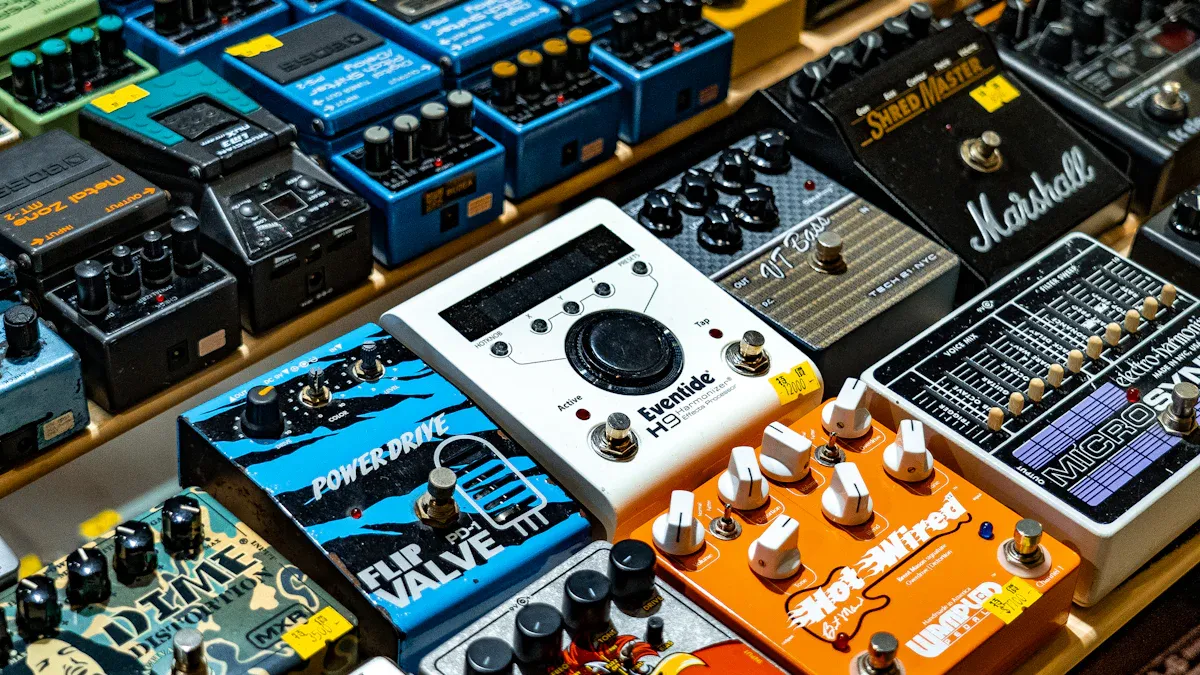
When you start building your pedalboard, you might feel overwhelmed by all the choices. Let’s break down the most common effects pedals for bass. These tools help you shape your sound, stay in tune, and stand out in any mix.
موالف
A tuner pedal is the first thing you should add to your setup. It keeps your bass in tune during practice, recording, or live shows. Many bassists use pedal tuners because they are easy to see and quick to use on stage. For example, the Peterson StroboStomp gives you dead-accurate tuning and a bright display. The Boss tuner pedal is famous for its tough build and clear green light. TC Electronic tuners let you check all your strings with one strum, while Korg tuners have a simple display that’s easy to read under stage lights.
Tuner Pedal | الميزات |
|---|---|
Peterson StroboStomp | Dead accurate, easy to see, sweetened tunings |
Boss | Durable, simple, clear green light |
TC Electronic | Checks all strings at once, quick but may have usability issues |
Korg | Simple, bright display, great for stage |
Tip: Place your tuner pedal first in your signal chain for the best results.
Compressor
A compressor pedal helps you control your volume and dynamics. It makes your quiet notes louder and your loud notes softer. This keeps your playing even and punchy. Compression also adds sustain to your notes and helps your bass cut through the mix. Many bassists use a compression ratio between 2:1 and 4:1. You can start with a high threshold and adjust it down until you find your sweet spot. Attack and release settings let you choose if your sound feels smooth or punchy.
Setting Type | Recommended Value |
|---|---|
نسبة الضغط | 2:1 إلى 4:1 |
Threshold | Start high, adjust down |
Attack and Release | Fine-tune for feel |
You will notice that compression makes your low notes clearer and your short notes punchier. Even if you play hard, your sound stays controlled and expressive.
Overdrive & Distortion
Overdrive and distortion pedals add grit and growl to your bass. These effects pedals are popular in rock, metal, and punk. Some bassists use guitar pedals for overdrive or distortion because they are easy to find. However, bass-specific pedals work better with low frequencies. Many bass distortion pedals have a blend knob. This lets you mix your clean and dirty signals, so you keep your low end strong while adding bite to your tone. The Darkglass Alpha Omega Dual Bass Preamp/OD Pedal is a favorite for its powerful drive and flexible controls.
Note: Using a blend knob helps you avoid losing your bass’s deep sound when you add distortion.
EQ & Preamp
EQ and preamp pedals give you more control over your tone. You can boost or cut certain frequencies to fit any room or recording setup. For bass, the sweet spot often sits between 200Hz and 800Hz. Adjusting these frequencies can make your sound tighter or warmer. The Electro-Harmonix Battalion pedal, for example, has a 4-band EQ made just for bass. It lets you fine-tune your lows, mids, and highs. Preamp pedals also boost your signal and help you match your bass to different amps or sound systems.
Remove unwanted frequencies for a cleaner sound.
Shape your tone to fit different venues or songs.
Use flexible signal flow options to match your setup.
Chorus & Octave
Chorus and octave pedals add depth and texture to your bass sound. A chorus pedal makes your bass sound bigger by doubling your notes and adding a slight delay. The Aguilar Chorusaurus Bass Chorus is a popular choice for its rich, smooth sound. Octave pedals add notes one or two octaves below your original note, making your bass sound even deeper. These effects work well in funk, pop, and experimental music. Some bassists also use envelope filters, like the MXR M82 or EarthQuaker Devices Spatial Delivery, to create funky, sweeping sounds.
Eventide Space Reverb Pedal
Electro-Harmonix Bass Micro Synth Pedal
DigiTech Luxe Polyphonic Detuner
You might see bassists using guitar pedals because they are more available. However, bass pedals are designed for lower frequencies and give you better results.
أسبكت | Guitar Pedals | Bass Pedals |
|---|---|---|
نطاق التردد | Higher frequencies | Lower frequencies |
Tone Shaping Controls | For guitar tones | For bass tones |
Intended Use | عازفو الجيتار | عازفو الجيتار |
Remember: Not all guitar pedals work well with bass. Bass pedals keep your low end strong and your tone clear.
Musontek Pedals
Boost Options
If you want your bass to stand out, a boost pedal can make a big difference. The Shit Power Boost Effect Pedal by Musontek gives you up to 21dB of clean boost. You get a stronger signal without losing your bass’s natural sound. Many boost pedals on the market add some distortion or change your tone, but Musontek designed this pedal to keep your sound pure and clear. You can turn up your volume for solos or punch through a loud mix, all while keeping your original tone.
This pedal comes with two buffer modes: Vintage and Modern. Vintage mode adds a warm, classic feel to your sound. Modern mode keeps things crisp and transparent. You can switch between them with a simple knob. The pedal uses Class A discrete components, which means you get high-quality sound and very little noise. The one-knob operation makes it easy to use, even if you are new to pedals.
Tip: Try both buffer modes to see which one fits your style best!
تجربة المستخدم
You might wonder where to put a boost pedal in your signal chain. Placement can change how your bass sounds. Here’s a quick guide:
Placement of Boost Pedal | Effect on Bass Tone |
|---|---|
Front of Amplifier | Increases amp gain and output volume, alters and saturates tone |
End of Chain | Increases overall signal loudness without altering tone significantly |
Placing the boost pedal at the end of your chain makes your whole signal louder.
If you put it before effects like overdrive or distortion, it can push those effects harder and give you more grit.
Most bassists place The Shit Power early in the chain. This setup boosts your signal before it hits other pedals or the amp, helping you keep your tone strong and clear. The pedal’s high headroom makes your playing feel dynamic and expressive, whether you play live or record in the studio.
With Musontek’s easy controls and strong build, you can focus on your music instead of your gear. Give your bass the power it deserves and enjoy a boost that keeps your sound true.
Essential or Optional?
Playing Without Effects
You might wonder if you really need effects pedals to play bass. The truth is, you can create amazing music without any pedals at all. Many professional bassists have shared that they started with a full pedal board, but later realized they could control their volume and tone just by changing how they play. You can use your fingers, pick, or even slap technique to shape your sound. Articulation, dynamics, and touch play a huge role in how your bass comes across. Sometimes, focusing on your technique gives you a cleaner and more expressive tone than any pedal could.
Tip: Try playing your favorite song without any effects. Listen to how your hands and style change the sound. You might be surprised by what you can do!
Even if you use effects, your skill matters most. You can control how pedals respond just by adjusting your playing. This means your technique stays important, whether you use pedals or not.
When to Add Pedals
Adding effects pedals is a personal choice. You might decide to use them for more versatility or to explore new sounds. Pedals can help you adapt to any gig, no matter the style. For example, envelope filters and overdrive pedals let you match your tone to different genres. If you want to stand out in a mix or try something new, pedals open up a world of sonic possibilities.
Here are some things to think about before adding pedals:
Sound quality: You want pedals that make your bass sound clear and natural.
Durability: Tough pedals last longer, especially if you play lots of gigs.
Ease of use: Simple controls help you adjust your sound quickly.
Compatibility: Make sure pedals work with your bass and amp.
Price: Pedals can get expensive, so set a budget that works for you.
Some bassists love the creative freedom pedals offer. Others prefer to keep things simple and focus on their playing. More pedals can mean more setup and troubleshooting, but they also let you experiment and grow as a musician. The choice is yours!
Shaping Your Sound
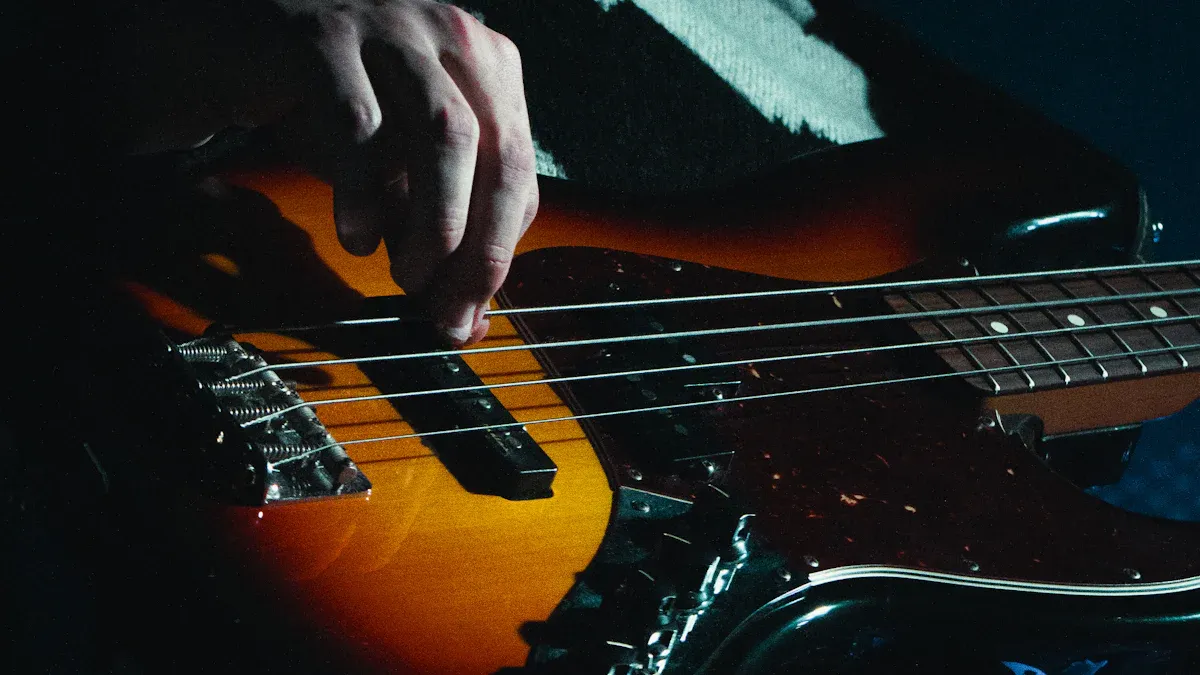
Unique Bass Tones
Effects pedals can help you create a sound that is all your own. You do not have to settle for just one tone. With the right pedals, you can shape your bass to fit any mood or song. Many bassists use pedals to stand out and add personality to their playing.
Here are some ways pedals help you craft a unique tone:
Chorus pedals add movement to your sound. They split your signal and use pitch modulation. This creates a rich, layered effect that makes your bass feel bigger and more alive.
Octave pedals give you a gritty, synth-like sound. You can explore new textures that go beyond the standard bass tone. This works great for funk, pop, or even electronic music.
Compression pedals smooth out your volume. They make your playing more consistent and polished. You get longer sustain and a punchier sound.
Try stacking different pedals together. You might discover a signature sound that no one else has!
Live vs. Studio
You might wonder if you need a different pedal setup for live shows and studio recording. The answer is yes. Each setting has its own needs.
Here’s a quick look at how bassists use pedals in different environments:
نوع الدواسة | Live Use | Studio Use |
|---|---|---|
Phaser Pedal | Adds space and grabs attention on stage | Used for special effects in certain tracks |
Bass Limiter Enhancer | Controls loud peaks during performances | Keeps recordings smooth and balanced |
Bass Tuner Pedal | Fast, silent tuning between songs | Ensures perfect pitch before each take |
Compressor | Keeps your sound tight in a mix | Shapes tone and dynamics for a polished recording |
تشويه | Adds grit and energy for live energy | Used for character in specific studio parts |
Reverb | Fills the room with sound | Adds depth and space to recorded tracks |
Bass Preamp | Shapes your tone before it hits the amp | Fine-tunes your sound for the final mix |
You should always check your pedal order. Place dynamic effects like compressors before distortion and modulation pedals. This keeps your sound clear and strong. Before a show or recording, test your setup. Make sure everything works together and sounds the way you want.
Your pedalboard is your toolbox. Use it to shape your sound for any stage or studio!
You don’t have to use effects pedals to play great bass, but many bassists love them for the creative boost. If you’re just starting, try these beginner-friendly pedals:
DOD Grunge overdrive
Dunlop Cry Baby wah pedal
Utility pedals like fuzz or modulation
Experimenting with pedals helps you find new sounds and grow your style. Loop pedals let you layer grooves and spark fresh ideas. Every pedal you try brings you closer to your own bass voice. Keep exploring and enjoy the journey! 🎸
الأسئلة الشائعة
Do you need special pedals for bass?
You don’t have to buy bass-only pedals, but they work better with low notes. Guitar pedals might cut your deep sound. Bass pedals keep your tone strong and clear.
Where should you put your tuner pedal?
Put your tuner pedal first in your signal chain. This helps you tune quickly and keeps your signal clean. You get the best results this way.
Can you use effects pedals for live shows and recording?
Yes! You can use pedals for both. Some pedals sound better on stage, while others shine in the studio. Try your setup in each place to see what works for you.
How many pedals should you start with?
Start with one or two basic pedals, like a tuner or compressor. You can add more as you learn what sounds you like. Build your pedalboard step by step. 🎸