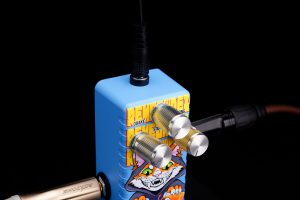
The best EQ for bass usually makes 50-100Hz louder. It also lowers low-mids. It uses a smiley-face curve. Musicians pick the best المكافئ by what they hear. Age and device type matter too. Many guitarists use good pedals like the موسونتك ريموودل. These pedals give a clear and strong sound. Trying different Equalizer settings helps each player find their best sound.
-
EQ changes help musicians make their bass sound how they like.
-
Different devices make some sounds stand out more, so the best EQ can be different.
الوجبات الرئيسية

-
Boost frequencies between 50Hz and 100Hz to enhance bass presence and create a stronger sound.
-
Cut low-mids between 200Hz and 600Hz to reduce muddiness and improve clarity in your mix.
-
Use high-pass filters around 20Hz to 40Hz to clean up the low end, especially in acoustic and jazz music.
Why is EQing bass important in a mix?

EQ can Low Frequencies And Bass Depth
Audio engineers change bass sounds to make music feel deep. They turn up the 50-100Hz range for more power. Good EQ settings help bass be heard but not too loud. When engineers balance low sounds, the mix feels strong. High-pass filtering keeps each instrument clear. Making space for every instrument helps the mix stay clean.
Cutting Low-Mids For Clarity by using EQ
Mixes can sound muddy if low-mids pile up. Engineers use EQ to lower sounds between 200Hz and 600Hz. This makes each instrument easier to hear. Many professionals use high-pass filters for more space. Taking out muddiness from 110Hz to 650Hz helps clarity. The best EQ choices let people hear every detail.
Tip: Cutting low-mids can help bass and guitars sound cleaner and sharper.
EQEnhancing High-Mids by Equalizer
Boosting high-mids helps bass tracks stand out. Engineers raise the 4kHz to 6kHz range for more clarity. Good EQ settings add brightness but do not make it harsh. Careful changes help bass cut through the mix. Too much boost can make listening tiring, so be careful.
|
نطاق التردد |
Purpose |
|---|---|
|
60-250Hz |
Adds weight and strength |
|
250-500Hz |
Makes things clearer |
|
4kHz-6kHz |
Improves clarity and sharpness |
Practical EQ Tips For Different Scenarios
Music Listening
People want strong bass when they use headphones. They change EQ to make low sounds louder under 250Hz. Many focus on 50Hz to 100Hz for a bigger kick. Some like a rumble by boosting 30Hz to 50Hz. Others make drums punchy by raising 70Hz. Boosting 120Hz to 250Hz makes music warmer and fuller.
-
Make low sounds louder under 250Hz for more bass.
-
Raise 50Hz to 100Hz for a bigger kick.
-
Boost 70Hz for punch.
-
Make 120Hz to 250Hz louder for warmth.
Mixing And Production
Mixing engineers use EQ to shape bass in songs. They boost 40Hz to 120Hz for a strong low end. Raising 120Hz to 250Hz adds body to the sound. Cutting 300Hz to 500Hz removes muddiness. Boosting 800Hz to 1kHz helps notes stand out. Studios often use good EQs. The best EQ depends on the song and style.
|
نطاق التردد |
Purpose |
|---|---|
|
40–120 Hz |
Low end |
|
120–250 Hz |
Body |
|
300–500 Hz |
Mud |
|
800 Hz–1 kHz |
Presence (articulation) |
Mixing engineers make different EQ presets for live shows and studio recordings. Live presets can sound dull or heavy compared to studio mixes.
Devices And Pedals
EQ settings change with each device. Car audio systems use parametric EQs for big changes and boost bass to block road noise. Home speakers use graphic EQs for small changes and keep bass more even.
|
أسبكت |
Car Audio Systems |
Home Speakers |
|---|---|---|
|
Type of Equalizer |
Parametric EQ |
Graphic EQ |
|
Frequency Adjustment |
Big changes |
Small changes |
|
Bass Settings |
More boosting |
More even |
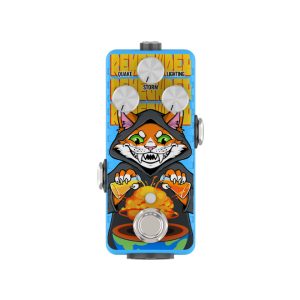
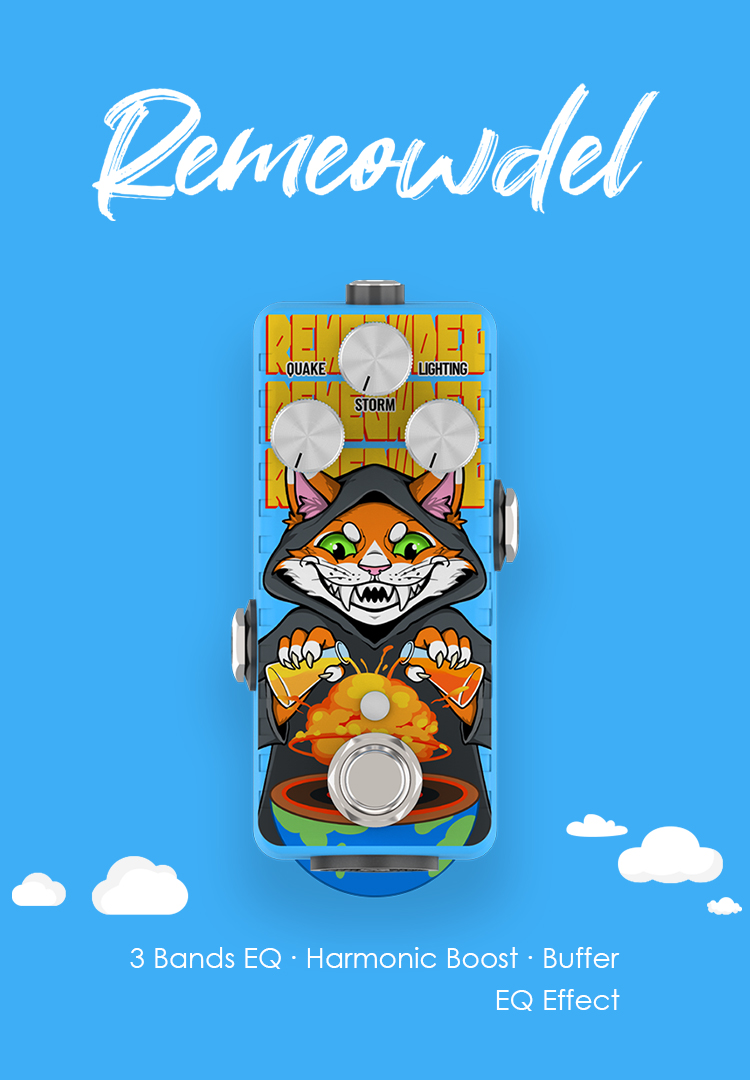
Guitarists use pedals like the Musontek Remeowdel to change their sound. They boost 100Hz to 200Hz for thicker bass. Putting EQ after distortion gives more sound choices. Scooping mids and boosting bass keeps things clear. The Remeowdel pedal helps players control their tone and find the best EQ for their music style.
Common issues about bass EQ
Fixing Muddiness
Muddiness happens when bass mixes with other sounds. Engineers hear muddiness when the music sounds unclear or boomy. Boosting low-mids too much, especially from 100Hz to 250Hz, causes this problem. The table below lists common problems and what they mean:
|
Problem |
الشرح |
|---|---|
|
Muddiness |
Too much low-mids makes the mix muddy and boomy. |
|
Frequency Balance |
To help bass stand out, use higher frequencies. |
|
Overloading Low-Mids |
Adding low-mids can make bass muddy, which means mixing is not good. |
|
Mistake in Boosting |
Boosting bass from 100–250 Hz quickly adds muddiness. |
To fix muddiness, engineers cut around 250Hz. They use bell filters to lower sounds from 300Hz to 600Hz. Cutting below 40Hz removes extra noise. Boosting higher frequencies like 2kHz to 5kHz makes things clearer. Some people use exciters to add harmonics and make the mix brighter.
Adding Punch
Punch makes bass sound strong and lively. Engineers boost 4kHz to 6kHz to add punch. This boost helps the bass stand out by making transients louder. Raising these frequencies gives bass more presence in modern songs. Many producers use this trick to make bass tracks more exciting.
-
Boost 4kHz to 6kHz for punch.
-
Make transients louder for a lively sound.
Avoiding Overpowering Bass
Bass can get too loud and cover other sounds. Engineers use different ways to control bass levels. Multiband compression works on certain frequencies and keeps the kick drum clear. Dynamic EQ lets the kick drum stand out by cutting some bass frequencies. Equalization takes away extra sub frequencies from other instruments. Sidechaining the bass with the kick drum makes space and stops problems.
Tip: Move through the frequency spectrum to find good spots for kick and bass. Boost and cut frequencies to make things clearer.
Beginners sometimes pick the wrong EQ or forget about mid-range sounds. Using high-pass filters without care can take away important bass. Picking the best EQ settings helps avoid mistakes and keeps the mix balanced.
Genre-Specific Bass EQ Advice
Electronic And Hip-Hop
Electronic and hip-hop music often use deep bass and strong kicks. Producers boost the rumble between 30Hz and 50Hz for sub-bass. They raise the 60Hz to 100Hz range to make the kick drum stand out. Many experts suggest cutting frequencies below 50Hz to avoid muddiness. Electronic tracks keep a V-shape sound by boosting bass between 30Hz and 100Hz. Hip-hop mixes also focus on punch and clarity. Some engineers use smart EQ tools to clean up the low end and resolve conflicts between tracks.
Tip: Cut before boosting to create space and improve clarity in bass-heavy mixes.
Typical EQ Settings for Electronic & Hip-Hop:
-
Boost 30Hz to 50Hz for sub-bass.
-
Raise 60Hz to 100Hz for kick drum.
-
Add energy to 100Hz to 200Hz but avoid muddiness.
Rock And Metal
Rock and metal genres need bass that supports guitars and drums. Engineers often cut low-mids to reduce muddiness. They boost upper mids for energy and clarity. Metal mixes use EQ to carve space for distorted guitars and aggressive drums. The approach is more surgical, focusing on which elements should stand out. Many producers emphasize low mids and highs for an intense sound.
|
Genre |
EQ Focus |
|---|---|
|
Rock |
Cut low-mids, boost upper mids for energy |
|
Metal |
Carve space for guitars, emphasize low mids and highs |
Acoustic And Jazz
Acoustic and jazz music require warmth and clarity. Engineers use a high-pass filter around 20Hz to 40Hz to clean up the low end. They notch out frequencies near 40Hz to 80Hz to make space for the kick drum. Boosting around 100Hz adds thickness to the bass. A wide cut at 300Hz helps reduce muddiness. Boosting upper frequencies between 4kHz and 6kHz enhances transients and clarity. Rolling off everything above 7kHz saves space for other instruments.
-
Use a high-pass filter at 20-40Hz.
-
Boost 100Hz for thickness.
-
Cut 300Hz to reduce boxiness.
-
Boost 4kHz-6kHz for clarity.

الأسئلة الشائعة
What frequencies should someone boost for a fuller bass sound?
Turning up 50Hz to 100Hz makes bass sound bigger. Many engineers also make 120Hz louder for more warmth.
Tip: Always listen and change settings until it sounds good.
Can EQ pedals like the Musontek Remeowdel help with live performances?
Yes, EQ pedals change tone fast during shows. Players use the Remeowdel to fix muddiness and make things clearer.
-
Quick changes
-
Steady sound control
Why does bass sometimes sound muddy in a mix?
Bass can sound muddy if there is too much low-mid energy, especially from 200Hz to 500Hz. Lowering these frequencies with EQ helps fix muddiness.
|
Frequency |
Problem |
|---|---|
|
200-500Hz |
Muddiness |